Enterprise sales isn’t just about closing deals—it’s about building strategic partnerships that transform industries. With longer cycles, complex stakeholders, and high stakes, mastering enterprise sales demands precision, patience, and powerful strategies.
What Is Enterprise Sales and Why It’s Different

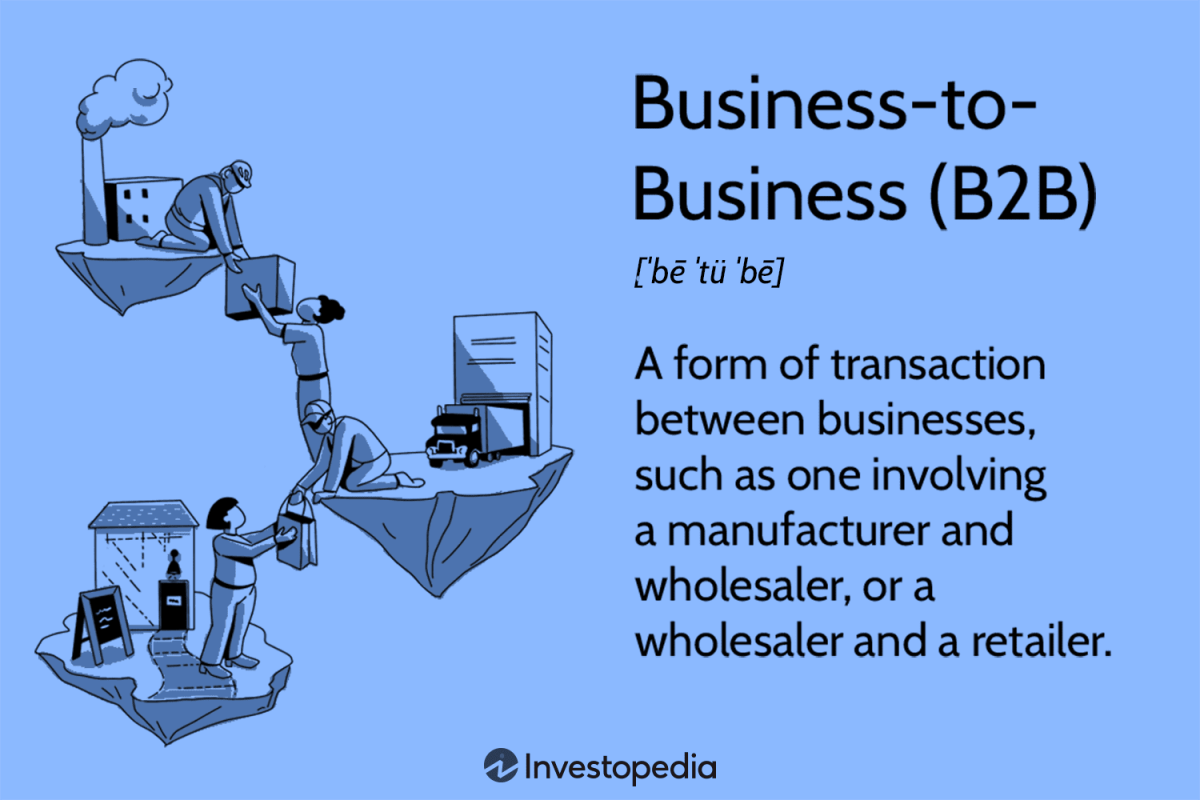
Enterprise sales refers to the process of selling products or services to large organizations, typically with 1,000+ employees and significant revenue. Unlike small or mid-market sales, enterprise deals involve multiple decision-makers, longer sales cycles, and higher contract values—often exceeding six or seven figures.
Defining the Scope of Enterprise Sales
Enterprise sales go beyond simple transactions. They involve long-term contracts, customized solutions, and deep integration with the client’s existing systems. These deals often require collaboration across departments such as legal, procurement, IT, and finance.
- Sales cycles can last 6–18 months or longer.
- Deals are typically worth $100,000 or more annually.
- Solutions are highly tailored to meet specific business needs.
According to Gartner, enterprise sales are characterized by strategic alignment between vendor and buyer, where success is measured not just in revenue but in business transformation.
Key Differences from SMB and Mid-Market Sales
While SMB (small and medium business) sales focus on speed and simplicity, enterprise sales prioritize risk mitigation, compliance, and ROI justification. The decision-making process is far more complex.
- SMB Sales: 1–2 decision-makers, quick close, standardized pricing.
- Mid-Market: 3–5 stakeholders, moderate customization, 3–6 month cycle.
- Enterprise Sales: 5+ stakeholders, extensive customization, 6+ month cycle.
“In enterprise sales, you’re not just selling a product—you’re selling peace of mind, scalability, and future-proofing.” — Marc Benioff, CEO of Salesforce
The Anatomy of an Enterprise Sales Cycle
Understanding the enterprise sales cycle is critical for success. It’s not a linear path but a dynamic journey with overlapping phases, feedback loops, and constant negotiation. Each stage requires a different approach, messaging, and set of tools.
Stage 1: Prospecting and Target Account Identification
Prospecting in enterprise sales isn’t about cold calling—it’s about strategic account selection. Sales teams use firmographic data (industry, revenue, employee count), technographic insights (current tech stack), and intent signals (content downloads, website visits) to identify high-potential targets.
- Use tools like LinkedIn Sales Navigator to map decision-makers.
- Leverage intent data platforms like 6sense or Gombi to detect buying signals.
- Align with marketing on Account-Based Marketing (ABM) campaigns.
Stage 2: Discovery and Needs Assessment
This is where real relationship-building begins. The goal is to uncover pain points, business objectives, and internal dynamics. A successful discovery call goes beyond surface-level questions.
- Ask strategic questions: “What would success look like in 12 months?”
- Map the stakeholder landscape: Who are the champions, blockers, and influencers?
- Identify KPIs the buyer wants to improve (e.g., customer retention, operational efficiency).
According to HubSpot’s sales research, reps who conduct deep discovery calls are 2.3x more likely to close enterprise deals.
Stage 3: Solution Design and Customization
Unlike off-the-shelf products, enterprise solutions are often built or adapted to fit the client’s ecosystem. This stage involves collaboration between sales, product, engineering, and customer success teams.
- Create proof-of-concept (POC) environments.
- Develop integration roadmaps with the client’s IT team.
- Present ROI models showing cost savings or revenue uplift.
“The best enterprise salespeople don’t sell features—they sell outcomes.” — Jill Konrath, Author of Selling to Big Companies
Key Roles in Enterprise Sales Teams
Enterprise sales is a team sport. No single rep can navigate the complexity alone. Success depends on a well-coordinated cast of specialists, each playing a distinct role in the deal lifecycle.
Account Executive (AE)
The Account Executive is the quarterback of the sales process. They own the relationship with the primary stakeholder, manage the sales timeline, and coordinate internal resources.
- Leads discovery calls and negotiation sessions.
- Works closely with sales engineers and customer success.
- Responsible for quota attainment and deal forecasting.
Sales Engineer (SE) / Solutions Consultant
Also known as a pre-sales engineer, this role bridges technical and commercial aspects. They demonstrate how the product solves specific technical challenges.
- Conducts live product demos tailored to the client’s use case.
- Answers deep technical questions about security, scalability, and integration.
- Helps design POCs and pilot programs.
As noted by Salesforce, sales engineers are critical in enterprise deals because they build credibility with IT and technical decision-makers.
Customer Success Manager (CSM)
While often brought in post-sale, CSMs are increasingly involved early in enterprise deals to reassure buyers about onboarding, adoption, and long-term support.
- Shares case studies and references from similar clients.
- Outlines success plans and service-level agreements (SLAs).
- Reduces perceived risk by demonstrating post-sale commitment.
Enterprise Sales Strategies That Actually Work
Winning enterprise deals requires more than persistence—it demands strategy. Here are proven approaches used by top-performing sales organizations.
Account-Based Selling (ABS)
Account-Based Selling treats each target account as a market of one. Instead of casting a wide net, teams focus all resources on a select group of high-value prospects.
- Develop personalized outreach sequences for each stakeholder.
- Use direct mail, video messages, and executive dinners to stand out.
- Align marketing, sales, and customer service on a unified engagement plan.
According to ABM Leadership Alliance, companies using ABS see 200% higher win rates on enterprise deals.
Challenger Sales Model
Popularized by CEB (now Gartner), the Challenger Model trains reps to teach, tailor, and take control of the conversation. Instead of asking what the customer wants, they reframe the problem.
- Educate buyers on unseen risks or missed opportunities.
- Present a unique perspective that challenges the status quo.
- Position your solution as the only logical next step.
“Customers don’t buy products—they buy better versions of themselves.” — Matthew Dixon, Co-Author of The Challenger Sale
Social Selling and Executive Engagement
In enterprise sales, relationships matter. Social selling leverages platforms like LinkedIn to build credibility and trust before the first call.
- Share valuable content that addresses industry challenges.
- Engage with prospects’ posts and comments authentically.
- Use warm introductions via mutual connections to bypass gatekeepers.
A LinkedIn study found that reps who practice social selling are 51% more likely to hit their quotas.
Technology Stack for Enterprise Sales Success
Modern enterprise sales teams rely on a robust tech stack to manage complexity, track progress, and scale efficiently. The right tools can make the difference between closing a $1M deal and losing it to a competitor.
CRM Systems: The Backbone of Enterprise Sales
A powerful CRM like Salesforce or Microsoft Dynamics 365 is essential for tracking every interaction, managing pipelines, and forecasting revenue.
- Centralizes contact, deal, and activity data.
- Enables automation of follow-ups and reminders.
- Integrates with marketing, support, and billing systems.
Sales Engagement Platforms
Tools like Outreach, Salesloft, and HubSpot Sales Hub help automate and optimize outreach sequences.
- Send multi-channel sequences (email, calls, LinkedIn).
- Track open rates, reply rates, and engagement metrics.
- Provide AI-powered coaching and call analytics.
Revenue Intelligence Tools
Platforms like Gong and Chorus record and analyze sales calls to uncover insights.
- Identify winning patterns in successful deals.
- Coach reps on tone, pacing, and objection handling.
- Ensure compliance with enterprise procurement requirements.
Common Challenges in Enterprise Sales and How to Overcome Them
Even the most experienced sales teams face hurdles in enterprise sales. Recognizing these challenges early allows for proactive solutions.
Long Sales Cycles and Stakeholder Fatigue
With decision-making spread across quarters, prospects can lose momentum or shift priorities. Keeping the deal alive requires consistent value delivery.
- Send regular business reviews with new insights.
- Introduce new stakeholders to maintain momentum.
- Use milestones (e.g., POC completion) to create urgency.
Complex Procurement Processes
Enterprise buyers often have rigid procurement policies, legal reviews, and security audits. These can delay or derail deals.
- Engage legal and security teams early with compliance documentation.
- Provide SOC 2, GDPR, or HIPAA certifications as needed.
- Assign a dedicated customer advocate to navigate bureaucracy.
Competitive Pressure and Price Objections
In high-stakes deals, competitors will undercut prices or exaggerate capabilities. Differentiation is key.
- Focus on total cost of ownership (TCO), not just sticker price.
- Highlight customer references and case studies.
- Emphasize long-term partnership value over short-term savings.
“Price is only an issue when you haven’t demonstrated enough value.” — Jeff Thoman, Sales Strategist
Measuring Success in Enterprise Sales
What gets measured gets managed. Enterprise sales teams must track the right KPIs to optimize performance and forecast accurately.
Key Performance Indicators (KPIs)
Tracking the right metrics helps identify bottlenecks and replicate success.
- Win Rate: Percentage of opportunities closed won.
- Average Deal Size: Revenue per closed deal.
- Sales Cycle Length: Time from first contact to close.
- Customer Acquisition Cost (CAC): Total cost to acquire a customer.
- Annual Contract Value (ACV): Recurring revenue per deal.
Forecasting Accuracy
Enterprise sales forecasting is notoriously difficult due to deal complexity. Accurate forecasting requires disciplined pipeline management.
- Use stage-based probability models (e.g., 20% at discovery, 70% at proposal).
- Conduct weekly pipeline reviews with managers.
- Leverage AI tools like Clari to predict deal health.
Customer Lifetime Value (CLTV)
Enterprise sales isn’t just about the first deal—it’s about long-term value. CLTV measures the total revenue a customer generates over time.
- Factor in upsells, renewals, and expansion revenue.
- Compare CLTV to CAC to assess profitability.
- Use insights to refine targeting and onboarding strategies.
Future Trends Shaping Enterprise Sales
The enterprise sales landscape is evolving rapidly due to technology, buyer behavior, and market dynamics. Staying ahead requires foresight and adaptability.
Rise of AI and Automation
Artificial intelligence is transforming how sales teams prospect, engage, and close. AI-powered tools can predict buyer intent, personalize outreach, and automate routine tasks.
- AI chatbots qualify leads 24/7.
- Predictive analytics identify at-risk deals.
- Natural language processing summarizes call insights instantly.
As McKinsey reports, AI adoption in sales could increase productivity by 30–50%.
Hybrid Buying Committees
Today’s enterprise buyers are more distributed and digitally native. Decisions are made across geographies, departments, and even time zones.
- Sales teams must engage both in-person and virtually.
- Content must be accessible and self-serve (e.g., demo videos, ROI calculators).
- Virtual proof-of-concepts are now standard.
Value-Based Selling Dominance
Buyers no longer care about features—they care about business outcomes. Value-based selling focuses on quantifiable impact.
- Present case studies showing % improvement in KPIs.
- Use economic value models to justify investment.
- Align every conversation with the buyer’s strategic goals.
“The future of enterprise sales is not transactional—it’s transformational.” — Brent Adamson, Gartner
What is the average length of an enterprise sales cycle?
The average enterprise sales cycle ranges from 6 to 18 months, depending on industry, deal complexity, and the number of stakeholders involved. Technology and SaaS deals often fall in the 9–12 month range.
How many decision-makers are typically involved in enterprise sales?
On average, 6–10 stakeholders participate in enterprise buying decisions. These include executives, technical evaluators, end-users, legal, procurement, and finance teams.
What’s the difference between enterprise sales and strategic sales?
While often used interchangeably, strategic sales is a broader concept that includes enterprise sales. Strategic sales focus on long-term partnerships and business impact, while enterprise sales specifically target large organizations with complex needs.
How can I improve my enterprise sales win rate?
To improve win rates, focus on deep discovery, stakeholder mapping, value-based messaging, and early involvement of customer success and technical teams. Use CRM and revenue intelligence tools to refine your approach.
What role does customer success play in enterprise sales?
Customer success plays a critical role by reducing perceived risk, providing references, and outlining onboarding plans. In many organizations, CSMs are involved in late-stage deals to ensure smooth post-sale transitions.
Enterprise sales is a high-stakes, high-reward discipline that demands strategy, collaboration, and resilience. From understanding the complex buyer journey to leveraging cutting-edge technology, success lies in delivering measurable value at every stage. By mastering the strategies, tools, and trends outlined in this guide, sales professionals can close bigger deals, build lasting partnerships, and drive transformative growth for their organizations.
Further Reading:
