Customer Acquisition isn’t just about getting new buyers—it’s about building a sustainable engine for business growth. In today’s hyper-competitive market, mastering how to attract, convert, and retain customers is the ultimate game-changer. Let’s dive into the strategies that actually work.
Customer Acquisition: Definition and Core Importance

At its core, Customer Acquisition refers to the process of bringing new customers to your business. It’s not just a marketing buzzword—it’s the lifeblood of revenue generation and long-term sustainability. Whether you’re a startup or an established enterprise, understanding how to efficiently acquire customers determines your scalability and market position.
What Exactly Is Customer Acquisition?
Customer Acquisition is the strategic process of identifying, attracting, and converting prospects into paying customers. This involves a blend of marketing, sales, and customer experience efforts designed to guide potential buyers through the funnel—from awareness to purchase.
- It begins with identifying target audiences based on demographics, behavior, and pain points.
- It includes deploying marketing campaigns across digital and traditional channels.
- It ends with a successful conversion, often measured by first-time purchases or sign-ups.
Unlike customer retention, which focuses on keeping existing clients, Customer Acquisition zeroes in on expanding your user base. However, both are interdependent—acquiring customers without retaining them leads to high churn and wasted resources.
Why Customer Acquisition Drives Business Success
Without new customers, even the most loyal base will eventually lead to stagnation. Customer Acquisition fuels top-line growth, increases market share, and validates product-market fit.
- Revenue Growth: More customers mean more sales, directly impacting your bottom line.
- Market Validation: Consistent acquisition signals that your product solves real problems.
- Investor Confidence: Startups with strong acquisition metrics attract funding more easily.
- Brand Momentum: Rapid customer growth builds credibility and social proof.
“Acquisition is the spark; retention is the fuel. But without the spark, the engine never starts.” — Growth Marketing Expert, Neil Patel
Customer Acquisition vs. Customer Retention: Striking the Balance
While Customer Acquisition brings in new revenue, Customer Retention ensures long-term profitability. The key is not choosing one over the other, but optimizing both in harmony.
The Cost of Acquisition vs. Value of Retention
Studies show that acquiring a new customer can cost five times more than retaining an existing one. According to Invesp, increasing customer retention rates by just 5% can boost profits by 25% to 95%.
- Acquisition Costs: Include advertising, sales outreach, content creation, and tech tools.
- Retention Benefits: Existing customers spend 67% more than new ones and are more likely to refer others.
- Lifetime Value (LTV): Retained customers generate higher LTV, improving ROI on initial acquisition spend.
However, focusing solely on retention limits growth. A business that doesn’t acquire new customers will eventually shrink due to natural churn.
Creating a Balanced Growth Strategy
The most successful companies allocate budget and effort across both acquisition and retention. For example, Amazon spends heavily on Customer Acquisition through Prime trials and ads, while also using personalized recommendations and fast shipping to keep customers coming back.
- Use data to determine your ideal acquisition-to-retention ratio.
- Map customer journeys to identify drop-off points in both acquisition and retention.
- Align marketing and customer success teams to create a seamless experience.
A balanced approach ensures sustainable growth without burning cash on endless acquisition.
Key Metrics to Measure Customer Acquisition Success
You can’t improve what you don’t measure. Tracking the right Customer Acquisition metrics helps you optimize campaigns, allocate budgets wisely, and forecast growth.
Customer Acquisition Cost (CAC)
CAC is the total cost of acquiring a new customer, including marketing and sales expenses. It’s calculated as:
Total Marketing & Sales Spend / Number of New Customers Acquired
A high CAC may indicate inefficient campaigns or poor targeting. Ideally, your CAC should be significantly lower than your Customer Lifetime Value (LTV).
- Example: If you spend $10,000 on ads and acquire 500 customers, your CAC is $20.
- Benchmark: A healthy LTV:CAC ratio is 3:1 or higher.
Learn more about CAC optimization at Campaign Monitor.
Conversion Rate
This metric measures the percentage of visitors who take a desired action, such as making a purchase or signing up.
- Formula: (Number of Conversions / Total Visitors) × 100
- A low conversion rate may signal issues with your landing page, offer, or user experience.
- Industry average varies: E-commerce sites average 2-3%, while SaaS platforms may see 5-10%.
Tools like Google Analytics and Hotjar can help identify friction points in the conversion funnel.
Return on Ad Spend (ROAS)
ROAS evaluates the effectiveness of paid advertising campaigns.
Revenue Generated from Ads / Cost of Ads
A ROAS of 4:1 means you earn $4 for every $1 spent. While ROAS focuses on short-term revenue, it should be analyzed alongside CAC for a complete picture.
- Use ROAS to compare performance across channels (e.g., Facebook vs. Google Ads).
- Adjust bids, creatives, and targeting based on ROAS data.
Customer Acquisition Channels: Where to Focus Your Efforts
Not all channels are created equal. The best Customer Acquisition channels depend on your audience, product, and budget. Let’s explore the most effective options.
Organic Search (SEO)
Search Engine Optimization (SEO) is a long-term, high-reward strategy for attracting customers actively searching for solutions.
- Optimize website content for relevant keywords like ‘Customer Acquisition tools’ or ‘best CRM for startups’.
- Create high-quality blog posts, guides, and videos that answer user questions.
- Build backlinks from authoritative sites to boost domain authority.
According to Backlinko, the first result on Google gets 27.6% of all clicks—making top rankings extremely valuable.
Paid Advertising (PPC and Social Ads)
Pay-Per-Click (PPC) advertising, including Google Ads and social media ads, offers immediate visibility and precise targeting.
- Google Ads: Ideal for capturing high-intent searches (e.g., ‘buy CRM software’).
- Facebook & Instagram Ads: Great for visual products and audience segmentation.
- LinkedIn Ads: Effective for B2B Customer Acquisition with professional targeting.
Best practices include A/B testing ad copy, using retargeting campaigns, and setting clear KPIs. Platforms like HubSpot offer integrated tools to streamline ad management—learn more at HubSpot Ads.
Email Marketing
Email remains one of the highest ROI Customer Acquisition channels, with an average return of $42 for every $1 spent.
- Build a lead magnet (e.g., free ebook, webinar) to grow your email list.
- Use automated drip campaigns to nurture leads over time.
- Personalize subject lines and content to increase open and click-through rates.
Tools like Mailchimp and ConvertKit make it easy to design and track email campaigns.
Customer Acquisition Funnel: Mapping the Buyer Journey
The Customer Acquisition funnel represents the stages a prospect goes through before becoming a customer. Understanding this journey allows you to tailor messaging and tactics at each step.
Awareness Stage: Attracting the Right Audience
This is the top of the funnel, where potential customers realize they have a problem and start looking for solutions.
- Use blog content, social media, and SEO to increase visibility.
- Focus on educational content like ‘How to improve customer retention’ or ‘Top marketing tools in 2024’.
- Leverage viral content and influencer partnerships to expand reach.
The goal is not to sell, but to build trust and position your brand as a helpful resource.
Consideration Stage: Nurturing Leads
At this stage, prospects are comparing solutions. Your job is to stand out as the best option.
- Offer comparison guides, case studies, and product demos.
- Use retargeting ads to stay top-of-mind.
- Host webinars or free trials to deepen engagement.
Email sequences and chatbots can automate lead nurturing, guiding users toward a decision.
Decision Stage: Closing the Sale
This is the final push—converting interest into action.
- Provide clear pricing, testimonials, and risk-reversal offers (e.g., money-back guarantees).
- Use urgency and scarcity tactics (e.g., ‘Only 3 spots left!’).
- Optimize checkout or sign-up flows to reduce friction.
A/B testing landing pages and CTAs can significantly improve conversion rates at this stage.
Proven Customer Acquisition Strategies That Deliver Results
Now that you understand the fundamentals, let’s explore seven powerful Customer Acquisition strategies used by top-performing companies.
Content Marketing: Building Authority and Trust
Content marketing attracts customers by providing value before asking for anything in return.
- Create in-depth guides, tutorials, and industry reports.
- Optimize content for search engines to capture organic traffic.
- Promote content through social media, email, and communities.
Companies like HubSpot and Moz have built entire businesses around content-driven acquisition. Their blogs generate millions of visits per month, fueling lead generation.
Referral and Affiliate Programs
Word-of-mouth is the most trusted form of marketing. Referral programs incentivize existing customers to bring in new ones.
- Dropbox famously grew by offering extra storage for referrals.
- Affiliate programs pay partners (bloggers, influencers) for driving sales.
- Use platforms like ReferralCandy or PartnerStack to manage programs.
According to Nielsen, 92% of consumers trust recommendations from friends and family over ads.
Freemium and Free Trial Models
Letting users experience your product for free lowers the barrier to entry.
- Slack, Zoom, and Canva use freemium models to acquire millions of users.
- Free trials allow full access for a limited time, encouraging upgrades.
- Focus on delivering immediate value so users don’t want to lose access.
The key is to design the free version to be useful but limited, creating a natural upgrade path.
Technology and Tools for Scaling Customer Acquisition
Manual efforts won’t scale. Leveraging the right technology automates processes, improves targeting, and enhances analytics.
Customer Relationship Management (CRM) Systems
CRMs like Salesforce, HubSpot, and Zoho centralize customer data and streamline sales workflows.
- Track leads from first contact to conversion.
- Automate follow-ups and task reminders.
- Integrate with marketing tools for seamless data flow.
A CRM ensures no lead falls through the cracks and provides insights into acquisition performance.
Marketing Automation Platforms
Automation tools like ActiveCampaign, Marketo, and Klaviyo help deliver personalized messages at scale.
- Set up drip campaigns based on user behavior.
- Segment audiences for targeted messaging.
- Trigger emails based on actions (e.g., cart abandonment).
Automation reduces manual work and increases conversion rates through timely, relevant communication.
Data Analytics and Attribution Tools
Understanding which channels drive conversions is critical. Tools like Google Analytics, Mixpanel, and Triple Whale provide deep insights.
- Track user journeys across multiple touchpoints.
- Use multi-touch attribution to credit channels fairly.
- Identify underperforming campaigns and reallocate budgets.
Data-driven decisions lead to smarter Customer Acquisition strategies and higher ROI.
What is Customer Acquisition Cost (CAC), and how is it calculated?
Customer Acquisition Cost (CAC) is the total cost of acquiring a new customer, including marketing and sales expenses. It’s calculated by dividing total acquisition spend by the number of customers acquired in a given period. For example, if you spend $5,000 on marketing and acquire 100 customers, your CAC is $50.
What are the most effective Customer Acquisition channels?
The most effective channels depend on your business model, but top performers include organic search (SEO), paid advertising (Google & social ads), email marketing, and referral programs. B2B companies often succeed with LinkedIn and content marketing, while e-commerce brands thrive on Instagram and Facebook ads.
How can I improve my Customer Acquisition conversion rate?
To improve conversion rates, optimize your landing pages, simplify the sign-up process, use clear calls-to-action, and leverage social proof (testimonials, reviews). A/B testing different elements like headlines, images, and CTAs can reveal what resonates best with your audience.
What is the ideal LTV:CAC ratio?
A healthy LTV:CAC ratio is 3:1. This means the lifetime value of a customer is three times the cost of acquiring them. A ratio below 1:1 indicates you’re spending more than you earn, while a ratio above 5:1 suggests you could scale acquisition efforts safely.
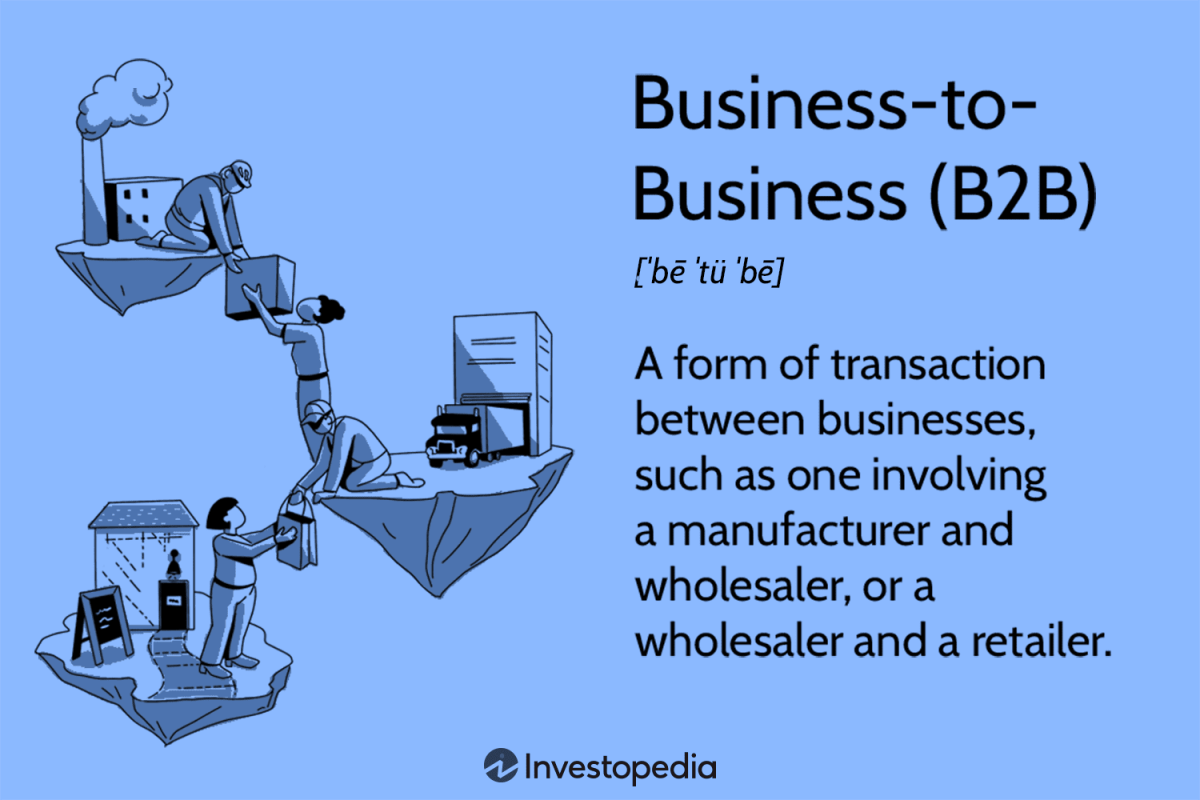
How does Customer Acquisition differ for B2B vs. B2C?
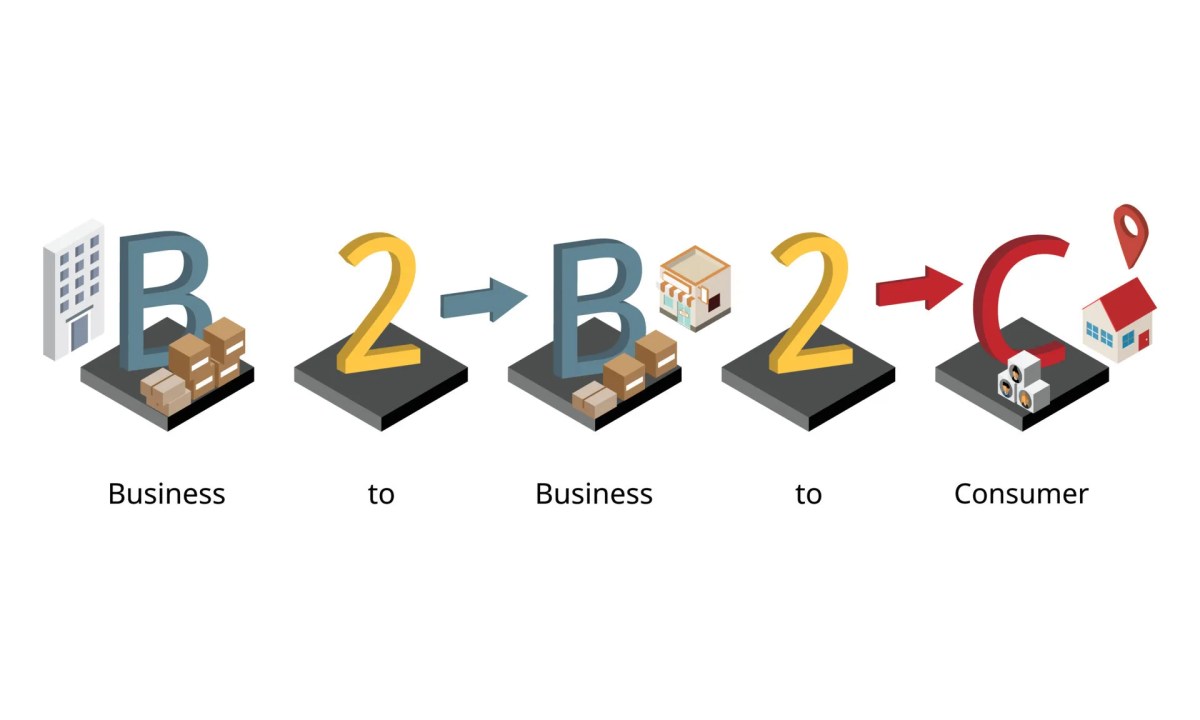
B2B Customer Acquisition typically involves longer sales cycles, higher CAC, and relationship-driven strategies like LinkedIn outreach and whitepapers. B2C acquisition is often faster, emotion-driven, and relies on mass channels like social media and influencer marketing. Both require clear messaging and strong value propositions.
Customer Acquisition is not a one-time campaign but a continuous, data-driven process. From understanding the fundamentals to leveraging advanced tools, every step—from awareness to conversion—matters. The most successful businesses combine proven strategies like content marketing, paid ads, and referral programs with precise measurement of CAC, conversion rates, and ROAS. By balancing acquisition with retention and using technology to scale efforts, you can build a predictable growth engine. Remember, the goal isn’t just to get customers—it’s to get the right customers, cost-effectively and sustainably. Start measuring, testing, and optimizing today to unlock your business’s full growth potential.
Further Reading: