Running a small business? A smart CRM system for small business can be your secret weapon—boosting sales, streamlining communication, and turning leads into loyal customers with ease.
What Is a CRM System for Small Business?

A CRM (Customer Relationship Management) system for small business is a powerful digital tool designed to help entrepreneurs and small teams manage every interaction with their customers. From tracking leads to automating follow-ups, a CRM brings order to the chaos of growing a business.
Defining CRM in Simple Terms
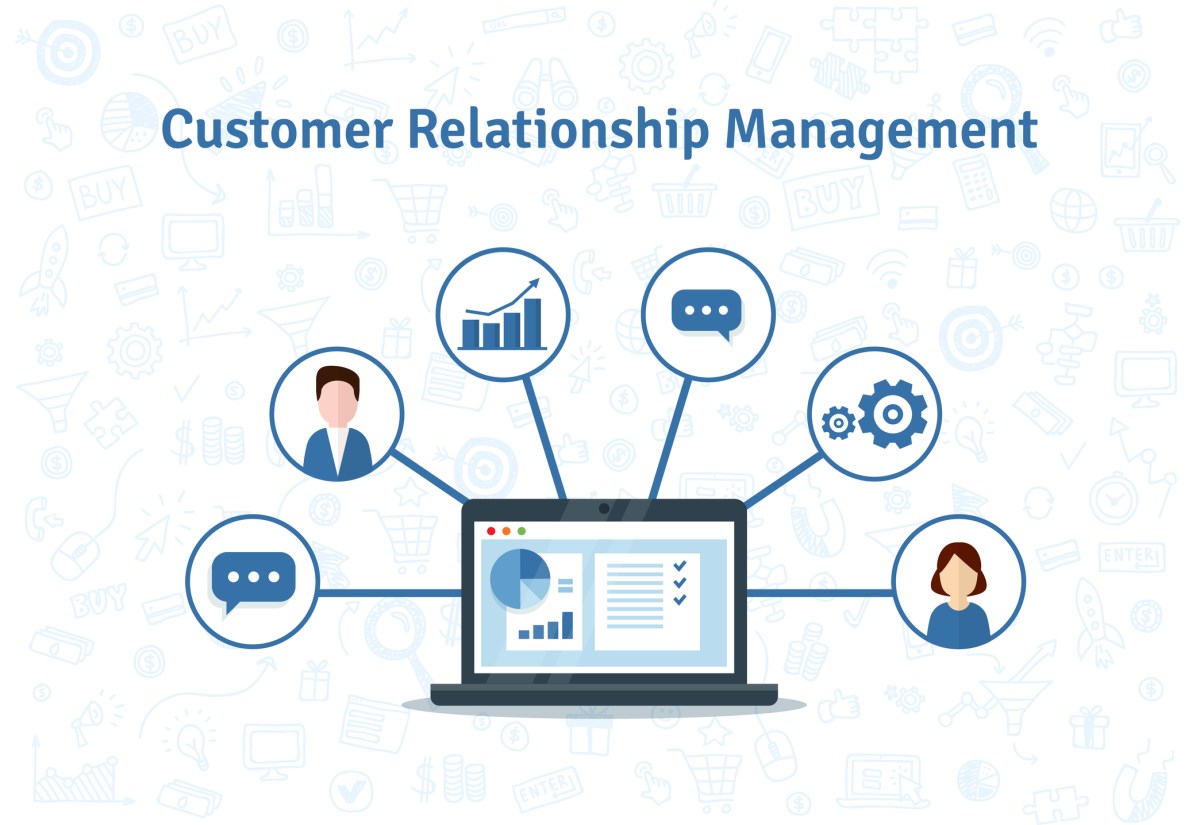
Think of a CRM as a centralized digital hub where all your customer data lives. It stores contact information, purchase history, communication logs, and even notes from sales calls. Instead of juggling spreadsheets, sticky notes, and email threads, everything is in one place—accessible anytime, anywhere.
- Tracks every customer interaction across channels
- Organizes leads, deals, and customer support tickets
- Provides insights through reporting and analytics
According to Investopedia, CRM systems help businesses improve relationships, retain customers, and drive sales growth by leveraging data intelligently.
Why Small Businesses Need CRM
Many small business owners assume CRM is only for large enterprises. That’s a myth. In fact, small businesses often benefit the most because they operate with limited resources and need maximum efficiency.
“A CRM system for small business isn’t a luxury—it’s a necessity for sustainable growth.”
Without a CRM, teams risk losing leads, missing follow-ups, and delivering inconsistent customer experiences. A CRM eliminates these gaps by automating routine tasks and providing visibility into the sales pipeline.
Top 7 Benefits of a CRM System for Small Business
Implementing a CRM system for small business offers transformative advantages. Let’s explore the seven most impactful benefits that can elevate your operations and customer satisfaction.
1. Centralized Customer Data
One of the biggest challenges small businesses face is scattered customer information. Emails in one inbox, notes in a notebook, orders in a spreadsheet—this fragmentation leads to inefficiency and errors.
A CRM consolidates all customer data into a single, searchable database. Every interaction—whether it’s a phone call, email, or social media message—is logged automatically. This means your sales, marketing, and support teams are always on the same page.
- Eliminates duplicate data entry
- Reduces human error in communication
- Enables quick access to customer history
For example, if a customer calls with a question about their order, your support agent can instantly pull up their profile, see past purchases, and resolve the issue faster—without asking the customer to repeat themselves.
crm system for small business – Crm system for small business menjadi aspek penting yang dibahas di sini.
2. Improved Sales Pipeline Management
Managing a sales pipeline manually is time-consuming and prone to oversight. A CRM system for small business visualizes your pipeline, showing where each lead stands—whether they’re just inquired, in negotiation, or ready to close.
With drag-and-drop interfaces and real-time updates, you can track deal progress, forecast revenue, and identify bottlenecks. This visibility helps you prioritize high-value opportunities and avoid losing deals due to inattention.
- Visual sales funnel with stage tracking
- Automated reminders for follow-ups
- Accurate sales forecasting based on historical data
Tools like Zoho CRM offer pipeline dashboards that update in real time, giving small business owners instant insights into their sales health.
3. Enhanced Customer Service and Support
Exceptional customer service is a key differentiator for small businesses. A CRM empowers your team to deliver personalized, timely support by providing full context on every customer interaction.
When a customer reaches out, your team can see their entire journey—past purchases, support tickets, and even sentiment from previous conversations. This allows for empathetic, informed responses that build trust.
- Tracks support tickets and response times
- Automates ticket routing to the right agent
- Enables self-service portals for customers
For instance, if a customer emails about a delayed shipment, the CRM can automatically pull up their order details and previous communications, allowing your team to respond accurately and swiftly.
4. Automation of Repetitive Tasks
Small business owners wear many hats. A CRM system for small business frees up valuable time by automating routine tasks like email follow-ups, appointment scheduling, and data entry.
Automation rules can be set up to trigger actions based on customer behavior. For example, if a lead downloads a pricing guide, the CRM can automatically send a follow-up email with a demo offer and notify the sales team.
- Sends personalized email sequences
- Schedules social media posts
- Updates deal stages based on customer actions
This not only increases efficiency but also ensures consistency in customer engagement. According to a report by Nucleus Research, businesses gain an average of $8.71 for every dollar spent on CRM, largely due to automation and productivity gains.
5. Better Marketing Campaign Performance
Marketing without data is like driving blindfolded. A CRM system for small business provides the analytics needed to measure campaign effectiveness and refine strategies.
crm system for small business – Crm system for small business menjadi aspek penting yang dibahas di sini.
You can segment your audience based on behavior, demographics, or purchase history, then target them with personalized campaigns. The CRM tracks open rates, click-throughs, and conversions, showing exactly what’s working.
- Creates dynamic customer segments
- Integrates with email marketing tools
- Measures ROI of marketing efforts
For example, if you run a promotion for returning customers, the CRM can identify those who haven’t purchased in 90 days and automatically send them a special discount—boosting re-engagement without manual effort.
6. Increased Team Collaboration
When teams work in silos, customers suffer. A CRM breaks down barriers between sales, marketing, and support by providing a shared platform for collaboration.
Team members can comment on customer records, assign tasks, and share updates in real time. Managers can monitor performance and provide feedback directly within the system.
- Enables internal messaging within customer profiles
- Tracks team activity and productivity
- Supports role-based access for security
This collaborative environment ensures that no customer falls through the cracks and that everyone is aligned with business goals.
7. Data-Driven Decision Making
Intuition is valuable, but data is king. A CRM system for small business generates detailed reports on sales performance, customer behavior, and marketing ROI.
These insights help you make informed decisions—like when to launch a new product, which customers to target, or where to allocate resources.
- Generates customizable dashboards
- Exports data for deeper analysis
- Identifies trends and patterns in customer behavior
For instance, if your CRM shows that most conversions come from LinkedIn leads, you can shift your marketing focus accordingly—maximizing return on investment.
How to Choose the Right CRM System for Small Business
With so many CRM options available, selecting the right one can feel overwhelming. The key is to evaluate your business needs, budget, and long-term goals.
Assess Your Business Needs
Start by identifying your pain points. Are you losing leads? Struggling with follow-ups? Need better reporting? List the features that would solve your biggest challenges.
crm system for small business – Crm system for small business menjadi aspek penting yang dibahas di sini.
- Do you need email integration?
- Is mobile access important?
- Do you require automation or AI features?
For example, a service-based business might prioritize appointment scheduling, while an e-commerce store may need order tracking and inventory integration.
Consider Scalability and Integration
Choose a CRM that can grow with your business. Look for platforms that offer tiered pricing and support integrations with tools you already use—like email, accounting software, or e-commerce platforms.
Popular integrations include:
- Mailchimp for email marketing
- QuickBooks for accounting
- Shopify for online stores
Platforms like HubSpot CRM offer seamless integration with hundreds of apps, making it easier to build a connected tech stack.
Test Before You Commit
Most CRM providers offer free trials or freemium versions. Take advantage of these to test usability, features, and customer support.
Involve your team in the evaluation process. After all, they’ll be using the system daily. Look for intuitive interfaces, responsive support, and clear onboarding resources.
“The best CRM is the one your team will actually use.”
Don’t just focus on features—consider user experience. A powerful CRM is useless if no one adopts it.
Top 5 CRM Systems for Small Business in 2024
To help you get started, here are five of the best CRM systems for small business, each offering unique strengths for different needs.
1. HubSpot CRM
HubSpot CRM is a favorite among small businesses for its user-friendly interface and robust free plan. It includes contact management, email tracking, deal pipelines, and task automation.
- Free forever plan with core CRM features
- Excellent integration with marketing and sales tools
- Intuitive drag-and-drop interface
Best for: Startups and growing businesses that want a scalable, all-in-one platform. Learn more at HubSpot.com.
crm system for small business – Crm system for small business menjadi aspek penting yang dibahas di sini.
2. Zoho CRM
Zoho CRM offers powerful automation, AI-driven insights (Zia), and deep customization. It’s ideal for businesses that want flexibility without complexity.
- AI-powered sales assistant
- Workflow automation builder
- Multi-channel communication (email, phone, social)
Best for: Small businesses with sales teams needing advanced automation. Visit Zoho CRM for details.
3. Salesforce Essentials
Salesforce, a leader in CRM, offers Essentials—a simplified version tailored for small businesses. It provides contact management, opportunity tracking, and email integration.
- Trusted brand with enterprise-grade security
- Mobile app for on-the-go access
- Strong reporting and analytics
Best for: Small businesses planning rapid growth and future scalability. Explore at Salesforce Essentials.
4. Freshsales (by Freshworks)
Freshsales stands out with its built-in phone, email, and chat capabilities. It’s designed for sales teams that want everything in one place.
- Native calling and voicemail
- Lead scoring and AI-based insights
- Visual deal pipeline
Best for: Sales-driven small businesses wanting integrated communication tools. Check it out at Freshworks CRM.
5. Insightly
Insightly combines CRM with project management, making it ideal for service-based businesses like consultants or agencies.
- Project and task tracking
- Workflow automation
- Customer relationship linking
Best for: Small businesses managing client projects and long-term relationships. Learn more at Insightly.com.
Common CRM Implementation Mistakes to Avoid
Even the best CRM system for small business can fail if implemented poorly. Avoid these common pitfalls to ensure a smooth transition and high adoption.
Skipping Proper Training
One of the biggest mistakes is assuming your team will figure it out on their own. Without proper training, users may enter data incorrectly or avoid using the system altogether.
crm system for small business – Crm system for small business menjadi aspek penting yang dibahas di sini.
Solution: Invest in onboarding sessions, provide user guides, and designate a CRM champion within your team to answer questions and encourage usage.
Over-Customizing Too Early
While customization is powerful, overdoing it at the start can lead to confusion and technical debt. Many small businesses waste time tweaking fields and workflows before understanding core functionality.
Solution: Start with default settings, let your team get comfortable, then gradually customize based on real needs.
Ignoring Data Quality
A CRM is only as good as the data it contains. Importing messy, duplicate, or outdated data will undermine its effectiveness.
Solution: Clean your data before migration. Use deduplication tools and establish data entry standards to maintain accuracy over time.
How to Get the Most Out of Your CRM System for Small Business
Implementing a CRM is just the beginning. To truly unlock its value, you need a strategy for ongoing optimization and team engagement.
Set Clear Goals and KPIs
Define what success looks like. Is it increasing lead conversion by 20%? Reducing response time to customer inquiries? Setting measurable goals helps you track progress and justify the investment.
- Track lead-to-customer conversion rate
- Monitor average deal size and sales cycle length
- Measure customer satisfaction (CSAT) scores
Use your CRM’s reporting tools to monitor these KPIs monthly and adjust strategies as needed.
Encourage Team Adoption
No matter how powerful your CRM is, it won’t work if your team doesn’t use it. Foster adoption by showing how it makes their jobs easier—not harder.
- Highlight time-saving features like auto-logging calls
- Recognize and reward consistent users
- Gather feedback and make improvements
Make CRM usage part of your daily routine—like checking emails or updating task lists.
crm system for small business – Crm system for small business menjadi aspek penting yang dibahas di sini.
Leverage Automation and AI
Modern CRM systems for small business come with AI-powered features like lead scoring, sentiment analysis, and predictive forecasting. These tools help you focus on high-potential opportunities and deliver smarter customer experiences.
- Use AI to prioritize hot leads
- Automate follow-up sequences based on behavior
- Generate insights from customer communication
For example, if a lead opens your email three times but doesn’t reply, the CRM can suggest sending a personalized video message—increasing engagement chances.
Future Trends in CRM for Small Business
The CRM landscape is evolving rapidly. Staying ahead of trends ensures your small business remains competitive and customer-centric.
AI and Predictive Analytics
AI is no longer just for big corporations. Small business CRMs are integrating AI to predict customer behavior, recommend next steps, and even draft emails.
Expect more voice-powered assistants, chatbots, and smart suggestions that reduce manual work and improve decision-making.
Mobile-First CRM Experiences
With remote work and field sales on the rise, mobile CRM access is essential. Future systems will offer richer mobile experiences—offline access, voice notes, and augmented reality for product demos.
Choose a CRM with a robust mobile app to empower your team wherever they are.
Integration with Emerging Technologies
CRMs will increasingly connect with IoT devices, smart speakers, and even blockchain for secure customer data management.
For example, a smart thermostat company could use CRM data to proactively offer maintenance services when a device shows signs of wear—creating a seamless, predictive customer experience.
What is a CRM system for small business?
crm system for small business – Crm system for small business menjadi aspek penting yang dibahas di sini.
A CRM system for small business is a software tool that helps manage customer interactions, track sales, automate marketing, and improve customer service—all in one centralized platform.
Is a CRM worth it for small businesses?
Yes. A CRM increases efficiency, improves customer retention, and drives sales growth. Even with a small team, a CRM can save time and provide valuable insights that lead to better decisions.
How much does a CRM system for small business cost?
Costs vary. Many CRMs offer free plans (like HubSpot CRM), while paid plans range from $10 to $50 per user per month. Some charge flat rates regardless of user count.
Can I use a CRM on my phone?
Yes. Most modern CRM systems for small business offer mobile apps for iOS and Android, allowing you to access customer data, update records, and manage tasks on the go.
How long does it take to implement a CRM?
Implementation can take anywhere from a few days to several weeks, depending on data complexity and team size. With proper planning and training, most small businesses can go live within two weeks.
Choosing the right CRM system for small business is one of the smartest investments you can make. It centralizes customer data, automates repetitive tasks, enhances team collaboration, and drives growth through data-driven insights. With user-friendly platforms like HubSpot, Zoho, and Freshsales, even the smallest teams can leverage enterprise-grade tools. Avoid common mistakes, focus on adoption, and stay ahead of trends like AI and mobile integration. A well-implemented CRM doesn’t just organize your business—it transforms it.
crm system for small business – Crm system for small business menjadi aspek penting yang dibahas di sini.
Recommended for you 👇
Further Reading:
