In today’s digital world, Content Marketing isn’t just a tactic—it’s the backbone of brand visibility, trust, and long-term growth. Discover how to master it with actionable strategies that deliver real results.
What Is Content Marketing and Why It Matters

Content Marketing is a strategic marketing approach focused on creating and distributing valuable, relevant, and consistent content to attract and retain a clearly defined audience — ultimately, driving profitable customer action. Unlike traditional advertising, which interrupts, content marketing informs, educates, and entertains.

The Core Principles of Content Marketing
At its foundation, content marketing operates on several key principles that differentiate it from other forms of marketing. These principles ensure that the content created resonates with audiences and delivers measurable value.
- Value First: The content must offer genuine value—whether it’s solving a problem, answering a question, or inspiring action.
- Audience-Centric Approach: Content is tailored to the needs, interests, and pain points of a specific target audience.
- Consistency: Regular publishing builds trust and keeps your brand top-of-mind.
“Content marketing is the only marketing that works in the long run.” — Rand Fishkin, Founder of Moz
How Content Marketing Differs from Traditional Marketing
Traditional marketing often relies on paid promotions and direct selling tactics. In contrast, content marketing focuses on building relationships through storytelling and education. While traditional ads say, “Buy our product,” content marketing says, “Here’s how to solve your problem—and by the way, we can help.”
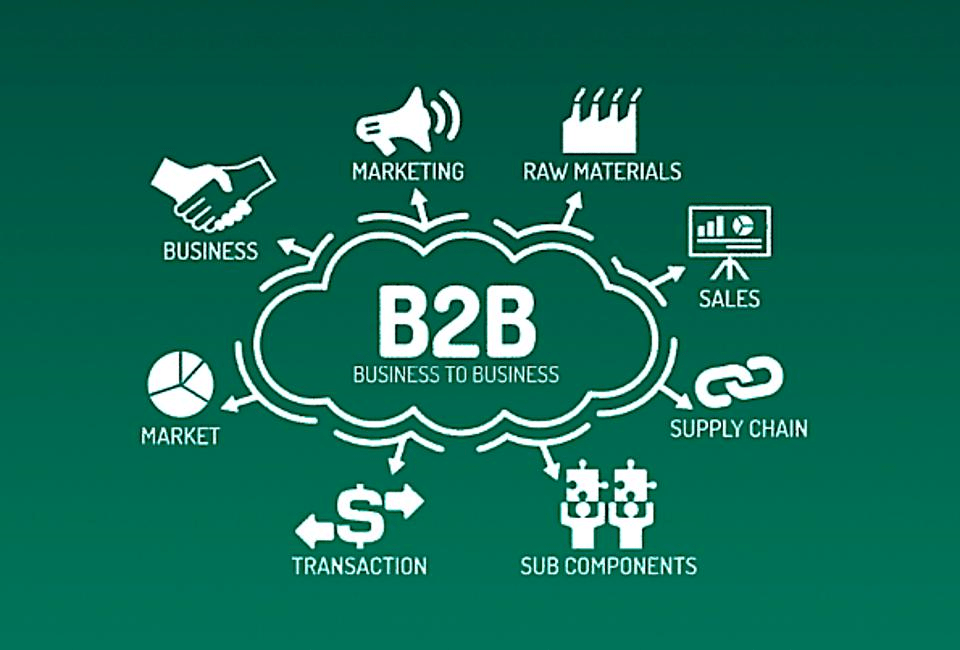
This subtle but powerful shift creates deeper engagement. According to the Content Marketing Institute, 91% of B2B marketers use content marketing to reach customers, compared to just 65% using traditional advertising.
The Evolution of Content Marketing Over the Decades
Content marketing is not a new concept. Its roots go back over a century, long before the internet existed. Understanding its evolution helps us appreciate its current power and anticipate future trends.
Early Beginnings: From Print to Radio
One of the earliest examples of content marketing dates back to 1895 when John Deere launched The Furrow, a magazine offering farming tips and industry news. It wasn’t a sales brochure—it was useful content that built loyalty among farmers.
Similarly, in the early 20th century, companies like Michelin and Jell-O used cookbooks and travel guides to engage customers. These materials were designed to be helpful, not pushy, laying the groundwork for modern content marketing.
The Digital Revolution and the Rise of Online Content
The advent of the internet in the 1990s transformed content marketing. Suddenly, brands could publish blogs, videos, and newsletters at scale. Search engines like Google rewarded high-quality, informative content, making SEO a critical component.
Platforms like WordPress (launched in 2003) democratized publishing, allowing even small businesses to compete with larger brands. Social media further amplified reach, enabling content to go viral and engage global audiences instantly.
Key Components of a Successful Content Marketing Strategy
A winning content marketing strategy isn’t built on random blog posts or social media updates. It requires a structured approach with clear components that work together to achieve business goals.
Defining Your Target Audience and Buyer Personas
Before creating any content, you must know who you’re speaking to. This involves developing detailed buyer personas—fictional representations of your ideal customers based on real data and market research.
Key elements of a buyer persona include demographics, job title, challenges, goals, preferred content formats, and where they consume information. Tools like HubSpot’s Make My Persona can help streamline this process.
Setting Clear Goals and KPIs
Every content marketing effort should align with specific, measurable goals. Common objectives include:
- Increasing website traffic
- Generating leads
- Boosting brand awareness
- Improving customer retention
Key Performance Indicators (KPIs) such as page views, time on page, bounce rate, conversion rate, and social shares help track progress toward these goals.
Content Audit and Gap Analysis
A content audit involves reviewing all existing content to assess its performance, relevance, and alignment with current goals. This helps identify what’s working, what’s outdated, and where gaps exist.
For example, you might find that blog posts about “how to start a blog” perform well, but there’s no content on “monetizing a blog”—a clear opportunity for new content creation.
Content Marketing: Types of Content That Drive Engagement
Different audiences consume content in different ways. A diverse content mix ensures you reach people across various platforms and stages of the buyer’s journey.
Blog Posts and Articles
Blogs remain one of the most effective forms of content marketing. They improve SEO, establish authority, and provide evergreen value. Long-form articles (over 2,000 words) tend to rank higher and generate more backlinks.
For example, a comprehensive guide like “The Ultimate Guide to SEO in 2024” can attract thousands of organic visits over time. According to Backlinko, long-form content gets 77% more backlinks than short articles.
Videos and Webinars
Video content is exploding. Platforms like YouTube, TikTok, and Instagram Reels dominate user attention. Videos increase dwell time on websites and are highly shareable.
Webinars, in particular, are powerful for lead generation. Offering a free, educational webinar in exchange for an email address can build your subscriber list while positioning your brand as an expert.
E-books, Whitepapers, and Case Studies
These are considered premium content assets, often used in the middle to late stages of the buyer’s journey. They require more effort to produce but offer high value.
E-books and whitepapers are excellent for lead nurturing. For instance, a SaaS company might offer an e-book titled “10 Ways to Improve Team Productivity” in exchange for contact information. Case studies, on the other hand, build credibility by showcasing real-world success stories.
Content Marketing: Building a Content Calendar and Workflow
Consistency is key in content marketing, and the best way to maintain it is through a well-structured content calendar and workflow.
Planning Your Content Calendar
A content calendar outlines what content will be published, when, and on which platforms. It includes topics, formats, publication dates, responsible team members, and promotion plans.
Tools like CoSchedule and Google Sheets can help organize your calendar. A typical calendar might include weekly blog posts, monthly e-books, and daily social media updates.
Content Creation and Collaboration Tools
Creating high-quality content requires collaboration between writers, editors, designers, and marketers. Tools like:
- Google Docs: For collaborative writing and editing.
- Canva: For designing visuals and social media graphics.
- Trello or Asana: For task management and workflow tracking.
These tools streamline the production process and ensure deadlines are met.
Scheduling and Publishing Best Practices
Timing matters. Publishing content when your audience is most active increases visibility and engagement. For example, B2B content often performs best on Tuesday through Thursday mornings.
Use scheduling tools like Buffer, Hootsuite, or WordPress plugins to automate publishing. This frees up time for strategy and analysis while maintaining a consistent presence.
Content Marketing: Measuring Success and ROI
Creating content is only half the battle. The other half is measuring its impact and optimizing for better results.
Essential Metrics to Track
To evaluate content performance, focus on these key metrics:
- Organic Traffic: Indicates how well your content ranks in search engines.
- Engagement Rate: Includes likes, shares, comments, and time spent on page.
- Conversion Rate: Measures how many readers take a desired action (e.g., sign up, download, purchase).
- Lead Generation: Tracks how many new leads your content attracts.
Google Analytics and Google Search Console are essential tools for tracking these metrics.
Tools for Analytics and Reporting
Beyond Google, platforms like SEMrush, Ahrefs, and HubSpot offer advanced content analytics. They provide insights into keyword rankings, backlink profiles, and content performance across channels.
Regular reporting—weekly or monthly—helps teams stay aligned and make data-driven decisions. Dashboards can visualize performance trends and highlight areas for improvement.
Optimizing Content for Better ROI
Not all content will perform equally. The key is to identify top-performing pieces and optimize underperforming ones. This could involve:
- Updating old blog posts with new information
- Improving headlines and meta descriptions for SEO
- Repurposing content into different formats (e.g., turning a blog into a video)
According to HubSpot, updating and republishing old content can increase traffic by up to 106%.
Content Marketing: Trends Shaping the Future
The content marketing landscape is constantly evolving. Staying ahead of trends ensures your strategy remains relevant and effective.
The Rise of AI and Automation
Artificial Intelligence is transforming content creation. Tools like Jasper, Copy.ai, and ChatGPT can generate drafts, headlines, and even full articles in seconds.
However, human oversight remains crucial. AI should be used to enhance creativity, not replace it. The best results come from combining AI efficiency with human insight and brand voice.
Personalization and Dynamic Content
Consumers expect personalized experiences. Dynamic content—content that changes based on user behavior, location, or preferences—delivers higher engagement.
For example, an e-commerce site might show different product recommendations based on browsing history. Email marketing platforms like Mailchimp and Klaviyo enable personalized content at scale.
Interactive and Immersive Content
Interactive content—quizzes, calculators, polls, and augmented reality experiences—drives deeper engagement. It invites users to participate rather than just consume.
A study by Content Marketing Institute found that 88% of marketers say interactive content is effective for differentiating their brand from competitors.
What is the main goal of Content Marketing?
The main goal of Content Marketing is to attract and retain a clearly defined audience by providing valuable, relevant, and consistent content that ultimately drives profitable customer action. It’s about building trust and authority over time, not making an immediate sale.
How often should I publish content?
There’s no one-size-fits-all answer, but consistency is more important than frequency. Whether you publish weekly, bi-weekly, or monthly, stick to a schedule your audience can rely on. Quality always trumps quantity.
Can small businesses benefit from Content Marketing?
Absolutely. In fact, small businesses often see higher ROI from content marketing because they can focus on niche audiences and build authentic relationships. With the right strategy, even a local bakery can grow its customer base through blog posts, social media, and email newsletters.
Is SEO part of Content Marketing?
Yes, SEO is a critical component of content marketing. Optimizing content for search engines ensures it reaches a wider audience. However, content marketing goes beyond SEO—it includes distribution, engagement, and conversion strategies across multiple channels.
How do I start a Content Marketing strategy?
Start by defining your audience, setting clear goals, auditing existing content, and creating a content calendar. Focus on solving your audience’s problems with high-quality, original content. Use analytics to measure performance and refine your approach over time.
Content Marketing is more than just writing blog posts or sharing on social media—it’s a comprehensive strategy that builds trust, drives engagement, and fuels long-term business growth. From understanding your audience to leveraging AI and analytics, every element plays a role in creating a powerful content engine. By focusing on value, consistency, and data-driven optimization, brands of all sizes can harness the full potential of content marketing. The future belongs to those who inform, inspire, and connect—start building your strategy today.
Further Reading: