Ever wondered how companies sell to other companies? Welcome to the world of B2B (Business-to-Business), where relationships, strategy, and long-term value reign supreme. It’s not just about transactions—it’s about transformation.
Understanding B2B (Business-to-Business) Fundamentals

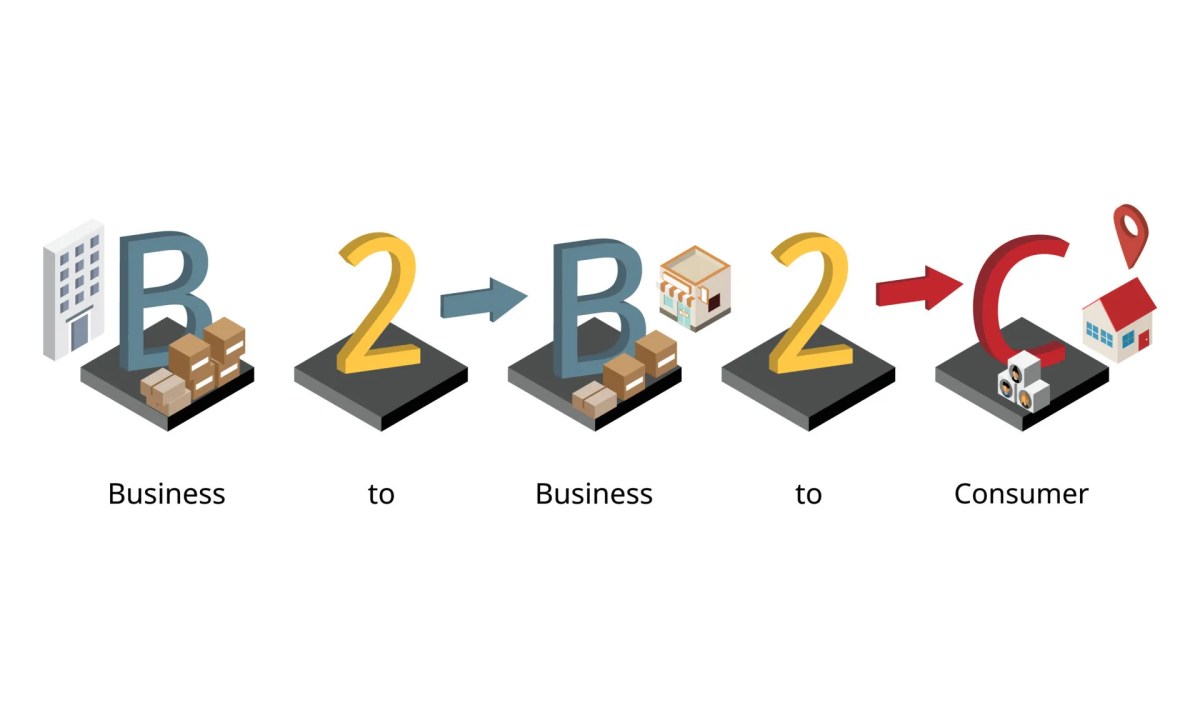
B2B, or Business-to-Business, refers to transactions between companies rather than between a company and individual consumers (B2C). This model underpins much of the global economy, from raw material suppliers to software-as-a-service (SaaS) platforms catering to enterprises. Unlike B2C, B2B sales cycles are typically longer, involve multiple stakeholders, and are driven by logic, ROI, and strategic alignment.
What Exactly Is B2B?
At its core, B2B involves one business providing products or services to another. For example, a logistics company offering freight services to manufacturers, or a cybersecurity firm selling threat detection software to financial institutions. These relationships are often contractual and built on trust, performance, and scalability.
B2B (Business-to-Business) – B2B (Business-to-Business) menjadi aspek penting yang dibahas di sini.
- Transactions occur between legal entities, not individuals.
- Purchase decisions are based on business needs, not personal desires.
- Volume and contract length are usually larger than in B2C.
Key Differences Between B2B and B2C
While both models involve selling, the mechanics differ significantly. B2C focuses on emotional appeal, instant gratification, and mass marketing. In contrast, B2B emphasizes rational decision-making, detailed proposals, and relationship management.
- Decision-makers: B2B often involves committees; B2C is usually individual.
- Sales cycle: B2B can last months; B2C is often immediate.
- Marketing approach: B2B uses whitepapers and case studies; B2C relies on ads and influencers.
“B2B is not just business; it’s a partnership built on mutual growth and shared objectives.” — Harvard Business Review
The Evolution of B2B (Business-to-Business) in the Digital Age
The digital revolution has transformed B2B from a relationship-heavy, offline model into a data-driven, online ecosystem. Today, 74% of B2B buyers conduct more than half their research online before making a purchase (source: Forrester). This shift has redefined how companies engage, sell, and retain clients.
Rise of E-Commerce Platforms in B2B
Platforms like Alibaba, Amazon Business, and ThomasNet have made it easier for businesses to discover suppliers, compare prices, and place orders digitally. These platforms reduce friction, increase transparency, and accelerate procurement.
B2B (Business-to-Business) – B2B (Business-to-Business) menjadi aspek penting yang dibahas di sini.
- Alibaba connects manufacturers with global buyers.
- Amazon Business offers bulk pricing and business-only features.
- Specialized marketplaces like Xometry cater to industrial parts sourcing.
Impact of AI and Automation
Artificial intelligence is reshaping B2B sales and marketing. Chatbots handle initial inquiries, predictive analytics forecast demand, and AI-driven CRM systems personalize outreach at scale.
- Salesforce Einstein uses AI to recommend next-best actions.
- HubSpot’s automation tools nurture leads with tailored content.
- AI-powered pricing engines optimize margins based on market dynamics.
Core Components of a Successful B2B (Business-to-Business) Strategy
A winning B2B strategy isn’t accidental—it’s engineered. It combines market insight, customer understanding, and operational excellence. Companies that master these components outperform competitors by 2.3x in revenue growth (source: McKinsey & Company).
Target Market Identification
Knowing who to sell to is half the battle. B2B companies must define their ideal customer profile (ICP) based on industry, company size, revenue, technology stack, and pain points.
B2B (Business-to-Business) – B2B (Business-to-Business) menjadi aspek penting yang dibahas di sini.
- Use firmographic data (industry, location, employee count) to segment markets.
- Analyze technographic data (software used) to identify compatibility.
- Leverage intent data to spot companies actively researching solutions.
Value Proposition Development
In B2B, your value proposition must answer: “What problem do you solve, and why should I care?” It should be clear, quantifiable, and differentiated.
- Focus on outcomes: e.g., “Reduce operational costs by 30% in 6 months.”
- Highlight ROI with case studies and benchmarks.
- Align with strategic goals like digital transformation or compliance.
“A strong value proposition isn’t about features—it’s about impact.” — Gartner
B2B (Business-to-Business) Marketing: Tactics That Drive Results
B2B marketing is no longer about cold calls and trade shows. Today, it’s about content, credibility, and customer experience. The most effective strategies focus on educating buyers and building trust long before the sale.
Content Marketing for B2B Audiences
High-quality content positions your brand as a thought leader. Whitepapers, webinars, and industry reports are particularly effective in the B2B space.
B2B (Business-to-Business) – B2B (Business-to-Business) menjadi aspek penting yang dibahas di sini.
- Create in-depth guides that solve specific business challenges.
- Host expert panels to discuss emerging trends.
- Repurpose content across formats (blog → video → infographic).
Account-Based Marketing (ABM)
ABM treats individual accounts as markets of one. It’s highly personalized, aligning sales and marketing efforts to target high-value prospects.
- Identify key decision-makers within target companies.
- Develop custom campaigns (emails, ads, events) for each account.
- Measure success by engagement and conversion, not just leads.
The B2B Sales Process: From Lead to Close
The B2B sales cycle is complex, often involving multiple touchpoints and stakeholders. A structured approach increases win rates and reduces time-to-close.
Lead Generation and Qualification
Generating leads is only the first step. Qualifying them ensures your sales team focuses on prospects with real potential.
B2B (Business-to-Business) – B2B (Business-to-Business) menjadi aspek penting yang dibahas di sini.
- Use lead scoring models based on behavior and demographics.
- Implement BANT (Budget, Authority, Need, Timing) or CHAMP (Challenges, Authority, Money, Prioritization) frameworks.
- Leverage tools like ZoomInfo or LinkedIn Sales Navigator for prospecting.
Negotiation and Contracting
B2B deals often involve complex terms, pricing models, and service-level agreements (SLAs). Skilled negotiation balances value delivery with profitability.
- Offer tiered pricing based on usage or features.
- Include performance guarantees to reduce perceived risk.
- Use e-signature platforms like DocuSign for faster closing.
Technology and Tools Powering B2B (Business-to-Business) Success
Modern B2B operations rely on technology to scale, automate, and gain insights. From CRM systems to analytics platforms, the right tools can be a game-changer.
CRM Systems in B2B
Customer Relationship Management (CRM) platforms like Salesforce, HubSpot, and Zoho centralize customer data, track interactions, and streamline workflows.
B2B (Business-to-Business) – B2B (Business-to-Business) menjadi aspek penting yang dibahas di sini.
- Automate follow-ups and task reminders.
- Track deal stages and forecast revenue accurately.
- Integrate with email, calendar, and marketing tools.
Data Analytics and Business Intelligence
Data is the backbone of strategic decision-making. B2B companies use analytics to understand customer behavior, optimize pricing, and improve retention.
- Monitor customer health scores to predict churn.
- Analyze sales funnel performance to identify bottlenecks.
- Use predictive modeling to forecast demand and inventory needs.
“In B2B, data isn’t just helpful—it’s essential for survival.” — MIT Sloan Management Review
Challenges and Future Trends in B2B (Business-to-Business)
While B2B offers immense opportunities, it’s not without hurdles. From economic volatility to digital disruption, companies must stay agile to thrive.
Common B2B Challenges
Even the most established B2B firms face obstacles that can derail growth if not addressed proactively.
B2B (Business-to-Business) – B2B (Business-to-Business) menjadi aspek penting yang dibahas di sini.
- Long sales cycles: Delayed decisions due to bureaucracy or budget constraints.
- Customer retention: High churn rates in competitive markets like SaaS.
- Lead quality: Poorly qualified leads waste sales resources.
Emerging Trends Shaping the Future
The B2B landscape is evolving rapidly. Companies that embrace these trends will lead the next wave of innovation.
- Hybrid selling: Combining virtual demos with in-person meetings.
- Sustainability as a differentiator: Buyers prefer vendors with strong ESG practices.
- Self-serve B2B models: Inspired by B2C, platforms like Slack and Zoom allow free trials and easy onboarding.
What is B2B (Business-to-Business)?
B2B, or Business-to-Business, refers to commerce transactions between two businesses, such as a manufacturer selling to a wholesaler, or a SaaS company providing software to an enterprise. It contrasts with B2C (Business-to-Consumer), where companies sell directly to individual customers.
B2B (Business-to-Business) – B2B (Business-to-Business) menjadi aspek penting yang dibahas di sini.
How does B2B marketing differ from B2C?
B2B marketing focuses on logic, ROI, and long-term value, often involving multiple decision-makers. It uses content like whitepapers and case studies. B2C marketing appeals to emotions, uses mass advertising, and targets individual consumers with shorter decision cycles.
What are the key elements of a successful B2B strategy?
B2B (Business-to-Business) – B2B (Business-to-Business) menjadi aspek penting yang dibahas di sini.
A successful B2B strategy includes clear target market identification, a compelling value proposition, robust lead generation, personalized marketing (like ABM), efficient sales processes, and strong customer success programs. Technology like CRM and analytics also plays a critical role.
Is e-commerce growing in B2B?
Yes, B2B e-commerce is rapidly growing. By 2025, B2B digital sales are projected to reach $25.7 trillion, accounting for 17.5% of total B2B sales (source: Statista). Platforms like Amazon Business and industry-specific marketplaces are driving this shift.
B2B (Business-to-Business) – B2B (Business-to-Business) menjadi aspek penting yang dibahas di sini.
What role does AI play in B2B?
AI enhances B2B operations by automating lead scoring, personalizing marketing, predicting customer churn, optimizing pricing, and improving customer service through chatbots. It enables companies to scale efficiently and make data-driven decisions.
The B2B (Business-to-Business) landscape is more dynamic than ever. From digital transformation to AI-driven personalization, companies must adapt to stay competitive. Success in B2B isn’t just about selling—it’s about solving real business problems, building lasting partnerships, and delivering measurable value. By mastering the fundamentals, leveraging technology, and staying ahead of trends, businesses can unlock sustainable growth in this powerful economic engine.
B2B (Business-to-Business) – B2B (Business-to-Business) menjadi aspek penting yang dibahas di sini.
Further Reading:
