Ever wondered how businesses seamlessly buy and sell in bulk, across borders, without endless meetings and paperwork? Welcome to the world of the b2b marketplace—a digital revolution transforming how companies trade. It’s fast, efficient, and smarter than ever.
What Exactly Is a B2B Marketplace?

The term b2b marketplace might sound technical, but it’s simpler than you think. Imagine an online platform where businesses—not consumers—buy and sell goods and services. Unlike B2C (business-to-consumer) sites like Amazon or Shopee, a b2b marketplace connects manufacturers, wholesalers, distributors, and retailers in a streamlined digital ecosystem.
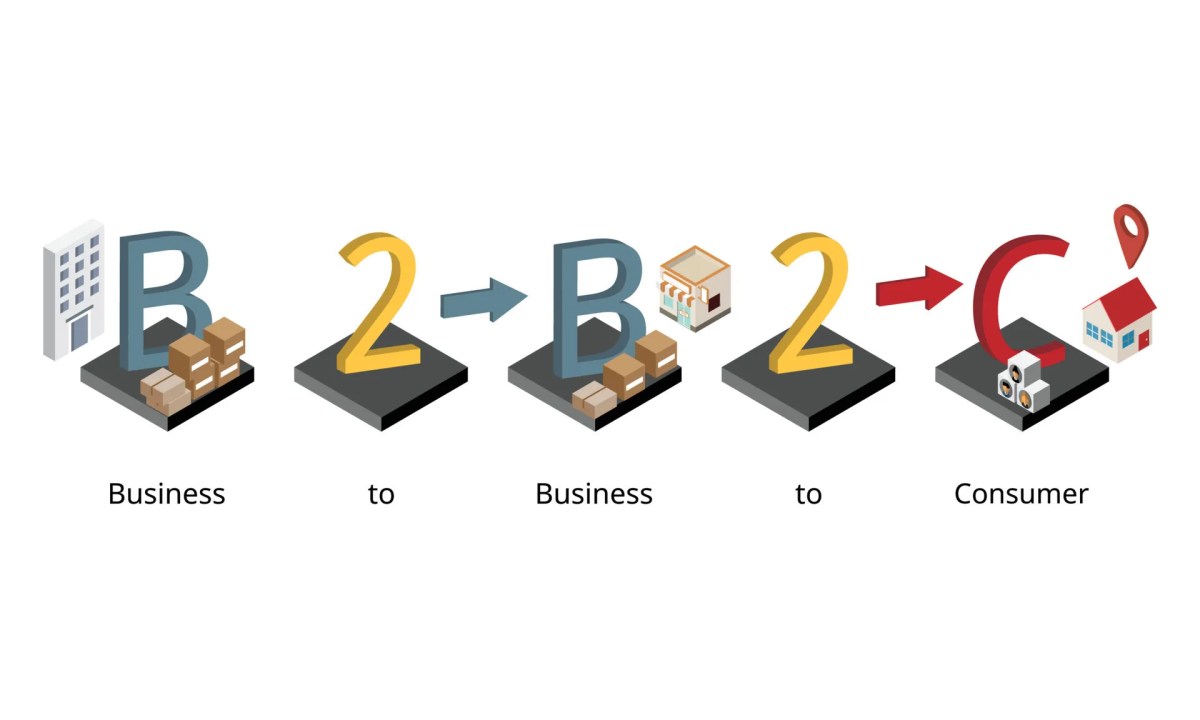
Defining the B2B Marketplace Model
A b2b marketplace operates on a multi-vendor model, allowing multiple suppliers to list their products or services on a single platform. Buyers can compare prices, quality, delivery terms, and certifications—all in one place. Think of it as a giant digital trade fair that never closes.
- Transactions are typically high-volume and recurring.
- Pricing is often negotiated or tiered based on order size.
- Relationships are long-term, with contracts and service-level agreements (SLAs).
According to Statista, global B2B e-commerce is projected to reach $20.9 trillion by 2027, dwarfing B2C sales. This explosive growth underscores the importance of digital marketplaces in modern supply chains.
How It Differs from B2C Marketplaces
While both B2B and B2C marketplaces use digital platforms, their core mechanics differ significantly:
Buyer Behavior: B2B buyers are rational, process-driven, and focused on ROI.B2C buyers are often emotional and impulse-driven.Pricing Structure: B2B pricing is dynamic, often requiring quotes or bulk discounts.B2C pricing is usually fixed.Decision-Making: B2B purchases involve multiple stakeholders (procurement, finance, operations)..
B2C decisions are typically individual.Order Volume: B2B orders are larger and less frequent, while B2C orders are smaller but more frequent.”The B2B buyer doesn’t want to buy from a faceless company.They want a partner who understands their business.” — Forrester Research
Why the B2B Marketplace Is Revolutionizing Global Trade
The rise of the b2b marketplace isn’t just a trend—it’s a fundamental shift in how businesses operate.From SMEs to multinational corporations, companies are leveraging these platforms to cut costs, improve efficiency, and scale faster..
Increased Efficiency and Reduced Operational Costs
Traditional B2B procurement involves endless emails, phone calls, RFQs (Request for Quotations), and manual order processing. A digital b2b marketplace automates much of this:
- Automated procurement workflows reduce processing time by up to 70%.
- Real-time inventory tracking prevents overstocking or stockouts.
- Integrated payment gateways and invoicing reduce accounting errors.
For example, platforms like Alibaba allow buyers to source products globally with just a few clicks, drastically reducing the time and cost of supplier discovery.
Global Reach and Market Expansion
One of the most powerful advantages of a b2b marketplace is its ability to break geographical barriers. A small manufacturer in Vietnam can now sell to a distributor in Germany without setting up a local office.
- Marketplaces provide built-in logistics and payment solutions.
- They offer multilingual and multi-currency support.
- They enable compliance with international trade regulations.
This democratization of trade empowers SMEs to compete with larger players on a global stage.
Key Features That Make a B2B Marketplace Successful
Not all b2b marketplace platforms are created equal. The most successful ones share a set of core features that enhance usability, trust, and scalability.
Advanced Search and Product Discovery
Unlike B2C platforms where users browse casually, B2B buyers are on a mission. They need precise, fast, and accurate search results.
- Filters by specifications (e.g., material, size, certifications).
- Search by SKU, part number, or technical drawings.
- AI-powered recommendations based on past purchases.
For instance, Made-in-China.com allows buyers to search for industrial components using technical parameters, making sourcing highly efficient.
Custom Pricing and Dynamic Quoting
One-size-fits-all pricing doesn’t work in B2B. Buyers expect tailored quotes based on volume, loyalty, or contract terms.
- Role-based pricing (e.g., distributor vs. retailer).
- Volume-based discounts with tiered pricing models.
- Automated quote generation with approval workflows.
Platforms like Faire use machine learning to suggest optimal pricing for suppliers, increasing conversion rates.
Integrated Supply Chain and Logistics
A robust b2b marketplace doesn’t stop at the sale—it ensures the product reaches the buyer seamlessly.
- Real-time shipping quotes from multiple carriers.
- Inventory synchronization across warehouses.
- Track-and-trace capabilities for every shipment.
Some platforms, like TradeKey, even offer escrow services to protect both buyers and sellers during international transactions.
Top B2B Marketplaces Shaping the Industry
The global b2b marketplace landscape is diverse, with platforms catering to different industries, regions, and business models. Here are some of the most influential players.
Alibaba.com: The Global Giant
No discussion about b2b marketplace is complete without mentioning Alibaba. Founded in 1999, it’s the world’s largest wholesale trading platform.
- Over 200,000 suppliers across 40+ industries.
- Buyer protection programs and verified supplier badges.
- Integrated logistics via Cainiao Network.
Alibaba’s success lies in its ability to connect small manufacturers in Asia with global buyers, especially in the US and Europe.
ThomasNet: The Industrial Specialist
Focused on North America, ThomasNet is a go-to platform for industrial and manufacturing procurement.
- Database of over 500,000 industrial suppliers.
- Advanced engineering specifications search.
- Integration with CAD software for product design teams.
It’s particularly popular among engineers and procurement managers in the aerospace, automotive, and construction sectors.
Amazon Business: The E-Commerce Behemoth Enters B2B
Yes, Amazon isn’t just for consumers. Amazon Business has become a major player in the b2b marketplace space.
- Over 12 million businesses served globally.
- Tax-exempt purchasing and business-only pricing.
- Integration with procurement software like SAP and Coupa.
Its strength lies in fast delivery, trusted reviews, and a familiar user interface—making it ideal for office supplies, MRO (maintenance, repair, operations) items, and lab equipment.
How to Choose the Right B2B Marketplace for Your Business
With so many options, selecting the right b2b marketplace can be overwhelming. The key is to align the platform’s strengths with your business goals.
Assess Your Industry and Product Fit
Not all marketplaces cater to every niche. A chemical manufacturer won’t benefit from a fashion-focused platform.
- Choose a marketplace with a strong presence in your industry.
- Look for category-specific features (e.g., safety data sheets for chemicals).
- Check if competitors are already active there.
For example, Uline dominates the packaging and industrial supplies sector, making it ideal for logistics companies.
Evaluate Fees and Commission Structures
Most b2b marketplace platforms charge fees—either as a commission per sale, a subscription, or a listing fee.
- Alibaba charges suppliers for premium memberships (Gold Supplier).
- Amazon Business takes a referral fee (8–15%) depending on the category.
- Some platforms offer free listings but charge for lead generation.
Calculate your potential ROI before committing. A high-traffic platform might justify higher fees.
Review Seller Support and Onboarding Process
A smooth onboarding experience can make or break your marketplace journey.
- Does the platform offer onboarding specialists?
- Is there 24/7 customer support?
- Are there training resources or webinars?
Platforms like Faire provide dedicated account managers for new suppliers, helping them optimize listings and manage inventory.
Challenges and Risks in the B2B Marketplace Ecosystem
Despite their advantages, b2b marketplace platforms come with challenges that businesses must navigate carefully.
Intense Competition and Price Pressure
With hundreds of suppliers offering similar products, standing out is tough.
- Buyers can easily compare prices, leading to race-to-the-bottom pricing.
- Brand differentiation becomes critical.
- Value-added services (e.g., customization, fast shipping) can be a differentiator.
According to a McKinsey report, 60% of B2B buyers prioritize price over brand loyalty when sourcing online.
Data Security and Trust Issues
B2B transactions involve sensitive data—pricing, contracts, customer lists. A breach can be catastrophic.
- Ensure the marketplace uses SSL encryption and GDPR/CCPA compliance.
- Verify identity through KYC (Know Your Customer) processes.
- Use secure payment gateways like escrow or letters of credit.
Platforms like Alibaba use Trade Assurance to protect buyers, building trust in cross-border transactions.
Dependence on Platform Algorithms
Like social media, marketplace visibility depends on algorithms. A change in ranking rules can drastically reduce your exposure.
- Optimize product titles, descriptions, and images for SEO.
- Maintain high seller ratings and fast response times.
- Use paid promotions to boost visibility when needed.
“In the digital b2b marketplace, if you’re not visible, you don’t exist.” — Gartner
Future Trends Shaping the B2B Marketplace Landscape
The b2b marketplace is not static. Emerging technologies and shifting buyer expectations are driving rapid innovation.
AI and Machine Learning for Personalization
AI is transforming how buyers discover products and how suppliers manage inventory.
- Predictive analytics forecast demand and suggest reorder points.
- Chatbots handle routine inquiries 24/7.
- Dynamic pricing engines adjust prices based on market demand.
For example, Siemens uses AI-driven platforms to optimize its industrial component sales, reducing procurement time by 40%.
Blockchain for Transparency and Trust
Blockchain technology is being adopted to enhance traceability and prevent fraud.
- Immutable records of transactions and contracts.
- Smart contracts automate payments upon delivery confirmation.
- Provenance tracking for raw materials (e.g., conflict-free minerals).
IBM and Maersk’s TradeLens platform uses blockchain to digitize global shipping, a model that could be replicated in b2b marketplace ecosystems.
Rise of Niche and Vertical Marketplaces
While giants like Alibaba dominate, specialized platforms are gaining traction.
- FoodMarketHub for food and beverage suppliers.
- MediBuy for medical equipment.
- AgriBazaar for agricultural inputs.
These niche platforms offer deeper industry knowledge, better supplier vetting, and tailored services—making them attractive for businesses seeking precision over breadth.
How to Launch Your Own B2B Marketplace: A Step-by-Step Guide
Want to build your own b2b marketplace? It’s ambitious, but achievable with the right strategy.
Define Your Niche and Value Proposition
Success starts with clarity. Who are you serving? What problem are you solving?
- Identify a gap in the market (e.g., lack of sustainable packaging suppliers).
- Define your unique selling proposition (USP): faster shipping, lower fees, better curation?
- Conduct surveys and interviews with potential buyers and sellers.
For example, Faire succeeded by focusing on independent retailers and offering net-60 payment terms to suppliers.
Choose the Right Technology Stack
Your platform’s performance depends on its foundation.
- Use scalable cloud infrastructure (AWS, Google Cloud).
- Select a marketplace SaaS platform like Sharetribe, Arcadier, or Mirakl.
- Integrate ERP, CRM, and payment systems (e.g., Stripe, PayPal).
Mirakl, for instance, powers enterprise marketplaces for Walmart and Kroger, offering enterprise-grade security and scalability.
Build Trust and Drive Adoption
No marketplace survives without trust and liquidity.
- Start with a curated list of high-quality suppliers.
- Offer incentives for early adopters (e.g., zero commission for 6 months).
- Implement robust review and dispute resolution systems.
Remember: it’s a chicken-and-egg problem. You need buyers to attract sellers, and sellers to attract buyers. Solve it with strategic partnerships and marketing.
What is a B2B marketplace?
A B2B marketplace is an online platform where businesses buy and sell goods and services to each other. It streamlines procurement, reduces costs, and expands market reach through digital automation and global connectivity.
How does a B2B marketplace make money?
B2B marketplaces generate revenue through various models: charging sellers a commission per transaction, subscription fees, listing fees, premium visibility ads, and value-added services like logistics or financing.
Is Amazon a B2B marketplace?
Yes, Amazon operates Amazon Business, a dedicated B2B marketplace offering business pricing, tax-exempt purchasing, and integration with procurement systems, serving millions of companies worldwide.
What are the biggest challenges in a B2B marketplace?
Key challenges include intense price competition, data security risks, dependence on platform algorithms for visibility, ensuring supplier quality, and building trust in cross-border transactions.
How do I start selling on a B2B marketplace?
To start selling, choose a relevant marketplace, create a professional seller account, list your products with detailed specifications, set competitive pricing, and leverage platform tools for marketing and logistics.
The b2b marketplace is no longer a futuristic concept—it’s the backbone of modern business commerce. From global giants like Alibaba to niche players disrupting specific industries, these platforms are redefining how companies source, sell, and scale. The key to success lies in understanding your audience, leveraging technology, and building trust. Whether you’re a buyer, seller, or entrepreneur looking to launch your own platform, the opportunities are vast. The digital B2B revolution is here, and it’s growing faster than ever.
Recommended for you 👇
Further Reading:
