In today’s hyper-competitive business landscape, a solid b2b marketing strategy isn’t just helpful—it’s essential. Whether you’re scaling a startup or optimizing an enterprise, the right approach can unlock massive growth, stronger client relationships, and sustainable revenue.
Understanding the Core of a B2B Marketing Strategy

At its heart, a b2b marketing strategy is a comprehensive plan that outlines how a business will reach, engage, and convert other businesses into customers. Unlike B2C marketing, which often appeals to emotions and immediate desires, B2B marketing is rooted in logic, long-term value, and relationship-building. The decision-making process is typically longer, involves multiple stakeholders, and requires more detailed information.

Defining B2B vs. B2C Marketing
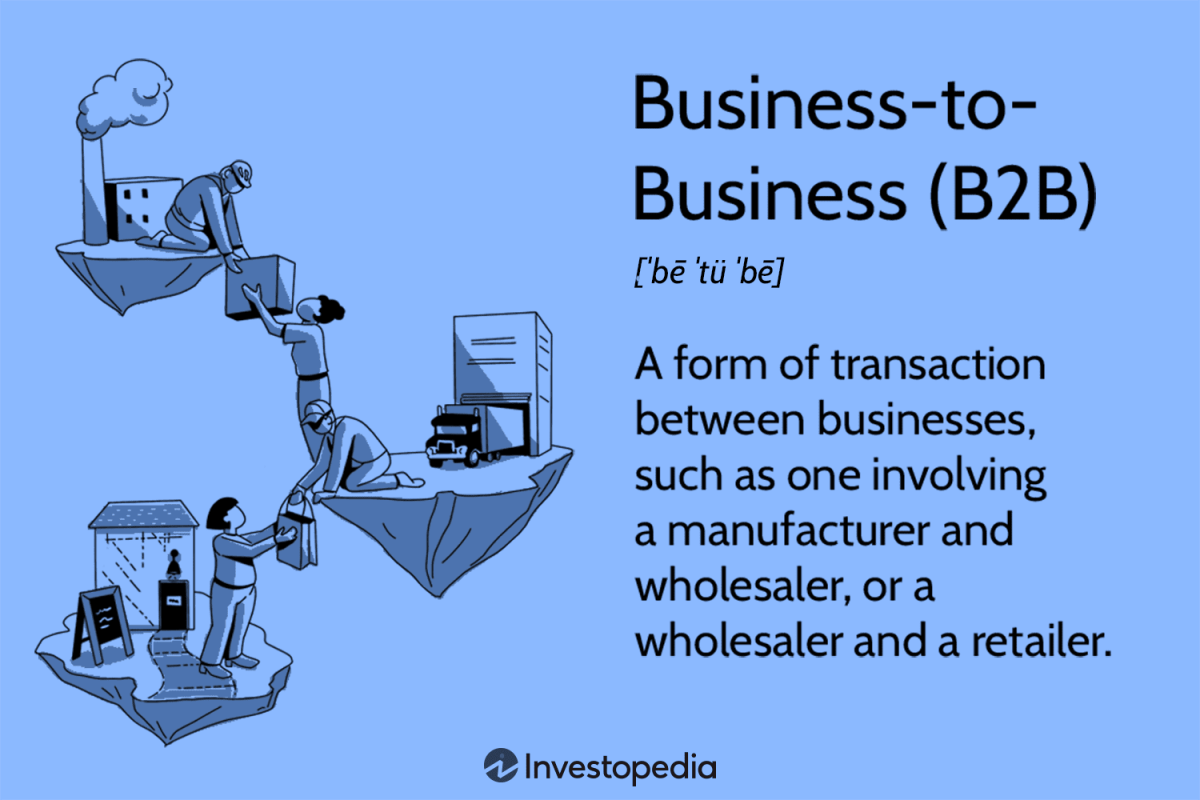
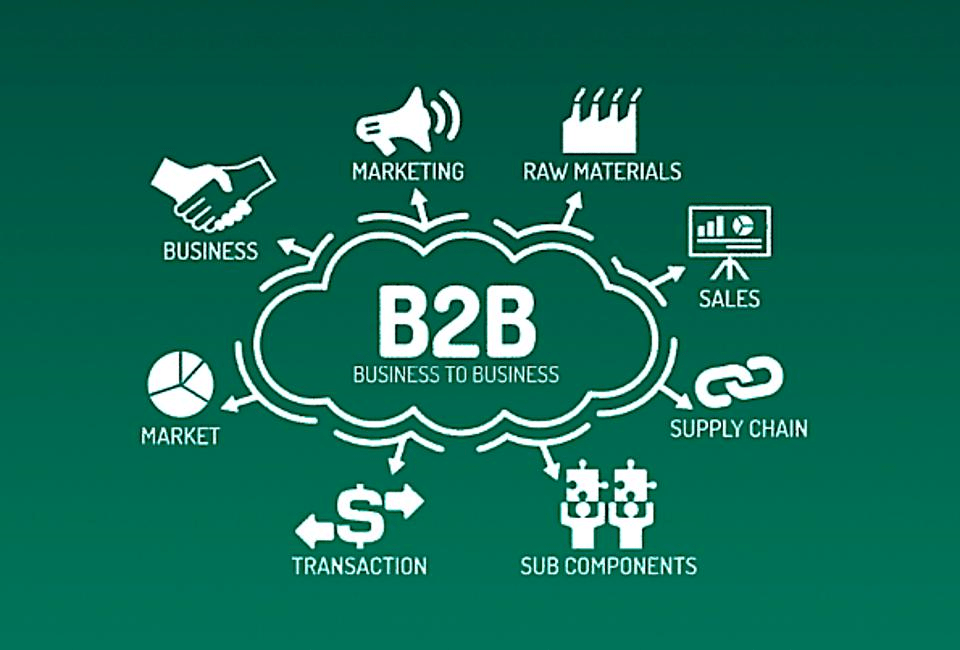
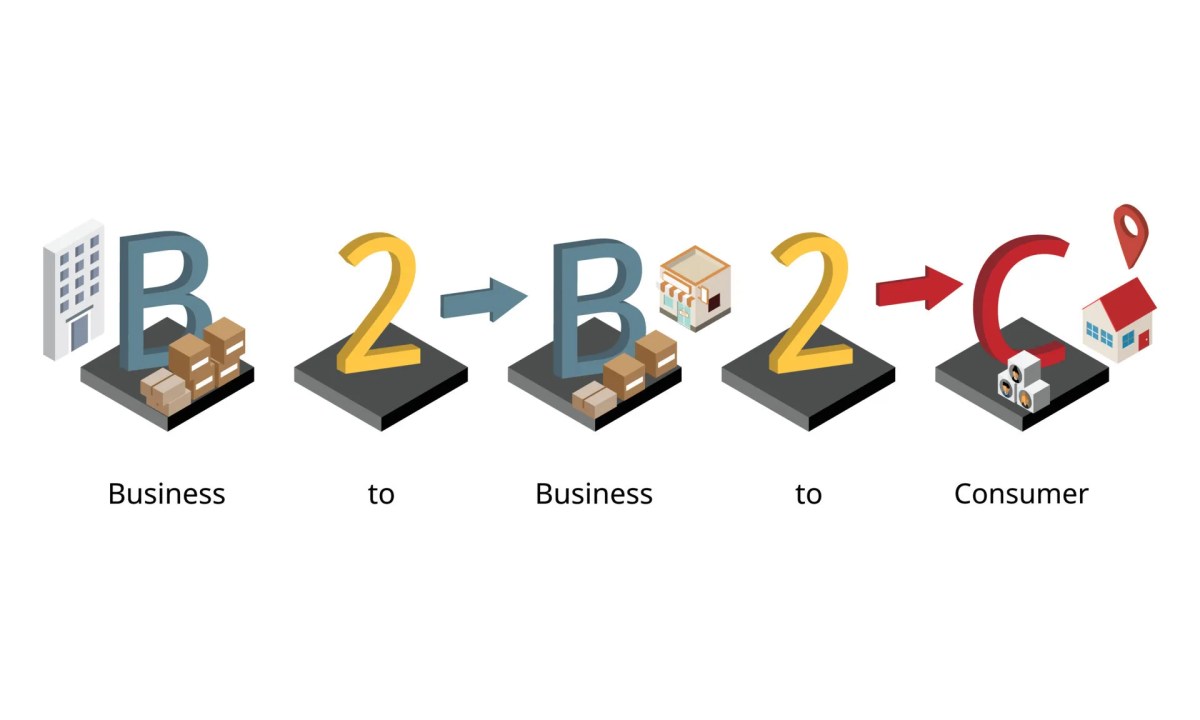
The distinction between B2B (business-to-business) and B2C (business-to-consumer) marketing is critical. While B2C targets individual consumers with emotional triggers and quick conversions, B2B focuses on organizations, where purchases are driven by ROI, efficiency, and strategic alignment.
- B2B decisions involve committees, procurement teams, and technical evaluations.
- Sales cycles are longer, often spanning weeks or months.
- Content must be educational, data-driven, and highly relevant to business outcomes.
For example, a software company selling CRM tools to enterprises needs to demonstrate integration capabilities, security compliance, and measurable productivity gains—unlike a B2C ad that might highlight ease of use or lifestyle benefits.
Key Components of a Successful B2B Marketing Strategy
A winning b2b marketing strategy integrates several core elements that work in harmony to generate leads, nurture prospects, and close deals. These include:
Target Audience Definition: Precisely identifying the ideal customer profile (ICP), including industry, company size, job titles, and pain points.Value Proposition: Clearly articulating how your product or service solves a specific business problem better than competitors.Channel Selection: Choosing the most effective platforms—such as LinkedIn, email, webinars, or trade shows—based on where your audience spends time.Content Strategy: Developing assets like whitepapers, case studies, and technical blogs that address buyer concerns at each stage of the funnel.Lead Nurturing: Using automation and personalized communication to guide prospects from awareness to decision.According to HubSpot, companies with documented b2b marketing strategies are 313% more likely to report success in their efforts..
This underscores the importance of planning over ad-hoc tactics..
“A strategy is not just a plan; it’s a commitment to focus.” – Michael Porter
Conducting In-Depth Market Research for Your B2B Marketing Strategy
Before launching any campaign, thorough market research is non-negotiable. It forms the foundation of your entire b2b marketing strategy by revealing who your customers are, what they need, and how they make decisions. Without this insight, even the most creative campaigns can fall flat.
Identifying Your Ideal Customer Profile (ICP)
An Ideal Customer Profile (ICP) goes beyond basic demographics. It defines the characteristics of companies that gain the most value from your solution and are most likely to become long-term, high-LTV (lifetime value) clients.
To build an effective ICP, consider:
- Industry and sub-industry (e.g., SaaS, manufacturing, healthcare)
- Company size (revenue, number of employees)
- Geographic location
- Technological stack (e.g., do they use Salesforce or HubSpot?)
- Pain points and challenges your product solves
For instance, a cybersecurity firm might target mid-sized financial institutions with annual revenues between $50M–$500M that have recently experienced data breaches and are actively investing in compliance tools.
Tools like LinkedIn Sales Navigator and Crunchbase can help validate and refine your ICP by providing firmographic and technographic data.
Analyzing Competitors and Market Gaps
Competitive analysis allows you to understand how others in your space position themselves, price their offerings, and communicate value. This insight helps you differentiate and identify underserved market segments.
Start by listing your top 3–5 competitors and evaluating:
- Their messaging and unique selling propositions (USPs)
- Content types and channels they dominate
- Customer reviews and testimonials
- Gaps in their product or service offerings
SEMrush and Ahrefs are excellent tools for analyzing competitors’ digital footprints, including SEO rankings, backlink profiles, and paid ad strategies. For deeper qualitative insights, platforms like G2 and TrustRadius offer real user feedback.
A well-executed competitive analysis might reveal that while most competitors focus on enterprise clients, there’s an opportunity to serve growing SMBs with a streamlined, affordable version of your product—creating a new lane in your b2b marketing strategy.
Leveraging Content Marketing in Your B2B Marketing Strategy
Content is the engine of modern b2b marketing strategy. It educates, builds trust, and guides prospects through complex buying journeys. Unlike flashy ads, content marketing delivers long-term value by positioning your brand as a thought leader and trusted advisor.
Creating High-Value Content for Each Stage of the Buyer’s Journey
The buyer’s journey in B2B typically consists of three stages: Awareness, Consideration, and Decision. Each requires tailored content that addresses the prospect’s mindset at that moment.
Awareness Stage: Prospects recognize they have a problem but don’t know the solution.Content here should be educational and broad.Examples: blog posts, infographics, industry reports.Consideration Stage: The buyer is evaluating different solutions.Content should compare options and highlight benefits.Examples: comparison guides, webinars, case studies.Decision Stage: The buyer is ready to choose.
.Content should reduce risk and justify the purchase.Examples: product demos, free trials, ROI calculators, testimonials.For example, a cloud infrastructure provider might publish a blog titled “5 Signs Your On-Premise Servers Are Costing You Money” (awareness), followed by a whitepaper “AWS vs.Azure vs.Private Cloud: A Total Cost of Ownership Analysis” (consideration), and finally a personalized demo invitation with a security compliance checklist (decision)..
Optimizing Content for SEO and Lead Generation
Even the best content fails if no one sees it. That’s why SEO must be baked into your content creation process from the start. A strong b2b marketing strategy aligns content topics with high-intent keywords that decision-makers are searching for.
Use tools like Ahrefs or SEMrush to identify keywords with solid search volume and low competition. Focus on long-tail phrases such as “best CRM for mid-sized manufacturing companies” rather than generic terms like “CRM software.”
Additionally, every piece of content should have a clear call-to-action (CTA) that captures leads. This could be a gated download (e.g., “Download the Full Report”) in exchange for an email address, or a consultation booking link.
According to Demand Gen Report, 96% of B2B buyers want content that helps them make informed decisions. This means your content must be accurate, well-researched, and actionable—not just promotional fluff.
“Content marketing is the only marketing that works.” – Randy Frisch, CMO at Uberflip
Building a Multi-Channel Approach in Your B2B Marketing Strategy
Relying on a single marketing channel is risky. A robust b2b marketing strategy leverages multiple touchpoints to increase visibility, reinforce messaging, and guide prospects toward conversion. The key is integration—ensuring all channels work together cohesively.
Email Marketing: The Backbone of B2B Engagement
Email remains one of the highest ROI channels in B2B marketing. When done right, it nurtures leads, delivers personalized content, and keeps your brand top-of-mind.
Best practices include:
- Segmenting your list based on behavior, industry, or stage in the funnel
- Using automation workflows (e.g., welcome series, re-engagement campaigns)
- Personalizing subject lines and content with dynamic fields
- A/B testing subject lines, CTAs, and send times
Platforms like HubSpot and Marketo offer powerful email automation tools that integrate with CRM systems to track engagement and score leads.
A well-crafted nurture sequence can increase conversion rates by up to 50%, according to Mailchimp. For example, after a prospect downloads a whitepaper, a follow-up email series could deliver related case studies, invite them to a live demo, and offer a consultation with a solutions expert.
LinkedIn and Social Selling in B2B Marketing
LinkedIn is the premier platform for B2B marketing strategy execution. With over 900 million users, including 63 million decision-makers, it’s where professionals research solutions, engage with content, and build relationships.
Effective social selling on LinkedIn involves:
- Optimizing your company page and employee profiles with clear value propositions
- Sharing thought leadership content (articles, videos, polls)
- Engaging with prospects’ posts and comments authentically
- Using LinkedIn Ads to target by job title, company, industry, and skills
Sponsored Content and InMail campaigns can drive high-quality traffic to landing pages. For example, a fintech company might run a Sponsored Content campaign targeting CFOs in the tech sector with a message about automating AP processes.
Research by LinkedIn shows that 80% of B2B leads come from LinkedIn—more than any other social platform. This makes it a non-negotiable channel in any modern b2b marketing strategy.
Webinars and Virtual Events as Lead Magnets
Webinars are one of the most effective tools for demonstrating expertise, engaging prospects in real-time, and generating high-intent leads. They allow for deep dives into complex topics and interactive Q&A sessions that build trust.
To maximize impact:
- Choose timely, relevant topics (e.g., “How to Achieve GDPR Compliance in 2024”)
- Invite industry experts or customer speakers to add credibility
- Promote across email, social, and paid ads
- Follow up with attendees and no-shows using automated emails
According to ON24, 73% of B2B marketers and sales leaders say webinars are the best way to generate high-quality leads. A single well-executed webinar can yield hundreds of qualified leads and even direct sales.
“People don’t buy products; they buy relationships, stories, and trust.” – Seth Godin
Implementing Account-Based Marketing (ABM) in Your B2B Marketing Strategy
Account-Based Marketing (ABM) is a strategic approach where marketing and sales teams collaborate to target high-value accounts with personalized campaigns. Instead of casting a wide net, ABM focuses on a select group of companies, treating each as a market of one.
What Is ABM and Why It Matters
ABM flips traditional marketing on its head. Rather than attracting leads and then qualifying them, ABM starts with a list of target accounts and then creates tailored experiences for key stakeholders within those organizations.
It’s particularly effective in enterprise sales, where deals are large, complex, and involve multiple decision-makers (economic buyers, technical evaluators, end users).
The benefits of ABM include:
- Higher ROI—ABM programs report 208% higher ROI than other marketing initiatives (ITSMA)
- Stronger alignment between sales and marketing teams
- Shorter sales cycles due to warmer, more engaged prospects
- Better customer retention and expansion opportunities
For example, a SaaS company targeting Fortune 500 banks might create a custom microsite for each bank, featuring case studies from similar institutions, personalized ROI projections, and executive briefings.
Steps to Launch an ABM Campaign
Launching a successful ABM campaign requires careful planning and cross-functional collaboration. Here’s a step-by-step approach:
- Identify Target Accounts: Use firmographic, behavioral, and intent data to select high-potential accounts.
- Map Key Stakeholders: Identify decision-makers, influencers, and blockers within each account.
- Develop Personalized Content: Create tailored messaging, emails, and content for each persona and account.
- Orchestrate Multi-Channel Outreach: Combine email, LinkedIn, direct mail, and targeted ads to reach stakeholders.
- Measure and Optimize: Track engagement, pipeline velocity, and conversion rates to refine the campaign.
Tools like Terminus, Demandbase, and 6sense provide ABM platforms that enable intent-based targeting, ad personalization, and performance analytics.
ABM isn’t just a tactic—it’s a mindset shift toward precision, personalization, and partnership between marketing and sales.
Measuring and Optimizing Your B2B Marketing Strategy
A b2b marketing strategy is not set in stone. It must be continuously measured, analyzed, and optimized based on performance data. Without proper tracking, you’re flying blind—wasting budget on ineffective tactics and missing opportunities for improvement.
Key Performance Indicators (KPIs) for B2B Marketing
To evaluate success, define clear KPIs aligned with your business goals. Common KPIs in a b2b marketing strategy include:
- Lead Conversion Rate: Percentage of leads that become opportunities.
- Cost Per Lead (CPL): Total marketing spend divided by number of leads generated.
- Customer Acquisition Cost (CAC): Total sales and marketing cost to acquire a new customer.
- Marketing Qualified Leads (MQLs): Leads deemed ready for sales follow-up.
- Sales Qualified Leads (SQLs): Leads accepted by sales as viable opportunities.
- Return on Ad Spend (ROAS): Revenue generated per dollar spent on advertising.
- Website Traffic and Engagement: Page views, time on site, bounce rate.
- Content Performance: Downloads, shares, and conversion rates for key assets.
Google Analytics, HubSpot, and Salesforce are essential tools for tracking these metrics across the customer journey.
Using Data to Refine Your Strategy
Data doesn’t just measure success—it reveals insights for optimization. For example, if your whitepaper download rate is high but demo sign-ups are low, it may indicate a disconnect between content and CTA.
Regular reporting (weekly or monthly) helps identify trends, such as which channels drive the most SQLs or which content types generate the highest engagement.
A/B testing is another powerful optimization tool. Test different subject lines, landing page designs, or ad creatives to see what resonates best with your audience.
According to McKinsey, data-driven organizations are 23 times more likely to acquire customers and 6 times more likely to retain them. This makes analytics a cornerstone of any effective b2b marketing strategy.
“What gets measured gets managed.” – Peter Drucker
Integrating Technology and Automation into Your B2B Marketing Strategy
Modern b2b marketing strategy relies heavily on technology to scale efforts, improve efficiency, and deliver personalized experiences at scale. From CRM systems to AI-powered analytics, the right tools can transform your marketing operations.
Essential Marketing Technology Stack
A well-integrated tech stack enables seamless data flow and coordinated campaigns across channels. Core components include:
- CRM (Customer Relationship Management): Platforms like Salesforce or Zoho CRM centralize customer data and track interactions.
- Marketing Automation: Tools like HubSpot, Marketo, or Pardot automate email campaigns, lead scoring, and nurturing workflows.
- Content Management System (CMS): Platforms like WordPress or HubSpot CMS host and optimize content for SEO.
- Analytics and Reporting: Google Analytics, Tableau, or Power BI provide insights into campaign performance.
- Account-Based Platforms: Tools like Demandbase or Terminus enable ABM execution.
Integration between these systems ensures that marketing efforts are aligned with sales activities and customer data is unified.
The Role of AI and Predictive Analytics
Artificial Intelligence (AI) is revolutionizing b2b marketing strategy by enabling predictive lead scoring, content personalization, and chatbot-driven engagement.
For example:
- AI can analyze historical data to predict which leads are most likely to convert, allowing sales teams to prioritize outreach.
- Chatbots on your website can qualify leads 24/7, answering FAQs and booking meetings.
- Predictive analytics can forecast campaign performance and recommend optimal send times or content topics.
Platforms like Salesfusion and InsideSales use AI to enhance lead engagement and accelerate sales cycles.
As Gartner predicts, by 2025, 80% of B2B marketing interactions will be managed by AI. Early adopters gain a significant competitive edge.
What is a b2b marketing strategy?
A b2b marketing strategy is a structured plan that outlines how a business will attract, engage, and convert other businesses into customers. It includes target audience identification, channel selection, content development, and performance measurement, all tailored to the longer, more complex B2B buying process.
How do I create an effective b2b marketing strategy?
To create an effective b2b marketing strategy, start by defining your ideal customer profile and value proposition. Conduct market and competitor research, choose the right channels (like LinkedIn, email, webinars), develop targeted content for each buyer journey stage, implement lead nurturing, and use analytics to measure and optimize results.
What are the best channels for b2b marketing strategy?
The best channels include LinkedIn for social selling, email marketing for lead nurturing, SEO-optimized content for organic reach, webinars for engagement, and account-based marketing platforms for targeting high-value accounts. The optimal mix depends on your audience and goals.
How important is content in a b2b marketing strategy?
Content is critical. It educates prospects, builds trust, and supports decision-making. High-quality, relevant content like whitepapers, case studies, and blogs drives 60% of B2B demand generation and is essential for SEO and lead conversion.
How do I measure the success of my b2b marketing strategy?
Measure success using KPIs like lead conversion rate, customer acquisition cost (CAC), marketing qualified leads (MQLs), return on ad spend (ROAS), and pipeline velocity. Use tools like Google Analytics, CRM systems, and marketing automation platforms to track performance and optimize campaigns.
Developing a powerful b2b marketing strategy is not a one-time task—it’s an ongoing process of research, execution, measurement, and refinement. By understanding your audience, leveraging the right channels, creating valuable content, and using data-driven insights, you can build a strategy that drives sustainable growth. Whether you’re focusing on ABM, SEO, or multi-channel engagement, the key is consistency, personalization, and alignment between marketing and sales. Start with a clear plan, invest in the right tools, and continuously optimize based on performance. The result? A b2b marketing strategy that doesn’t just attract leads—but converts them into loyal, high-value customers.
Further Reading: