In today’s fast-paced digital landscape, b2b marketing automation isn’t just a luxury—it’s a necessity. From streamlining lead generation to nurturing high-value prospects, automation empowers businesses to scale smarter, faster, and with greater precision.
What Is B2B Marketing Automation and Why It Matters

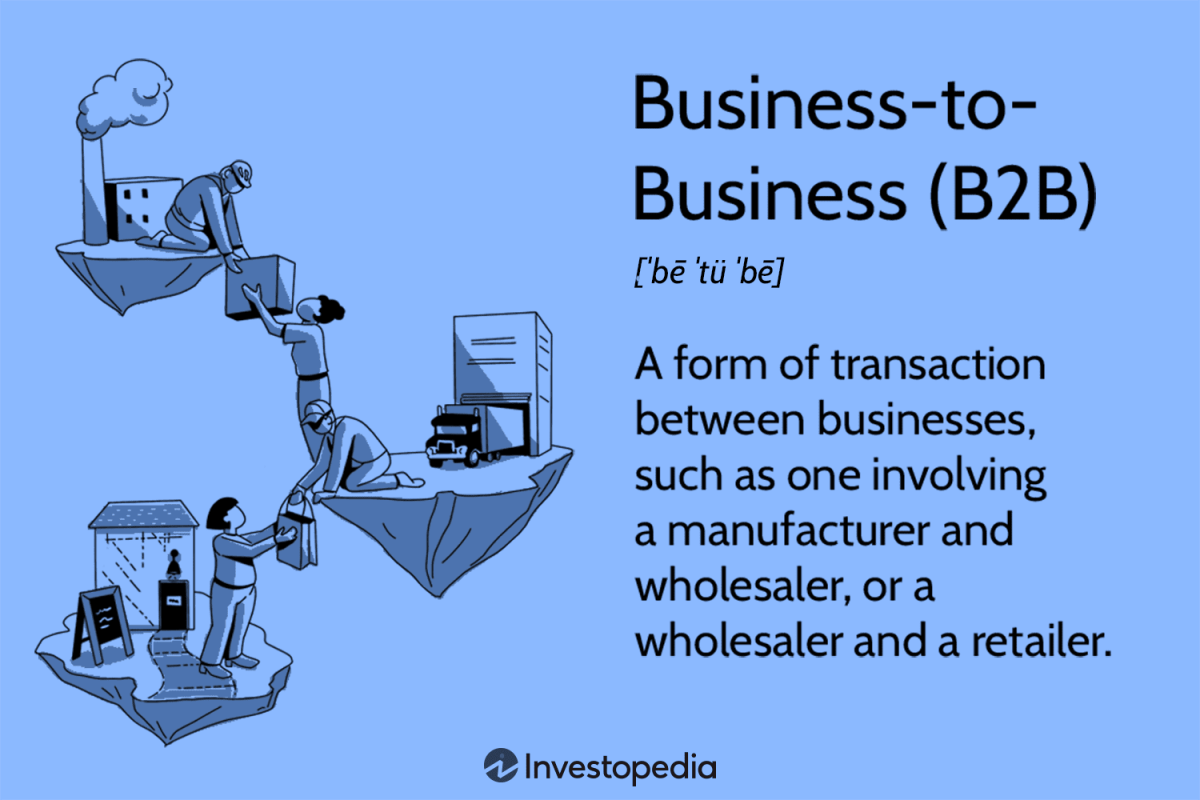
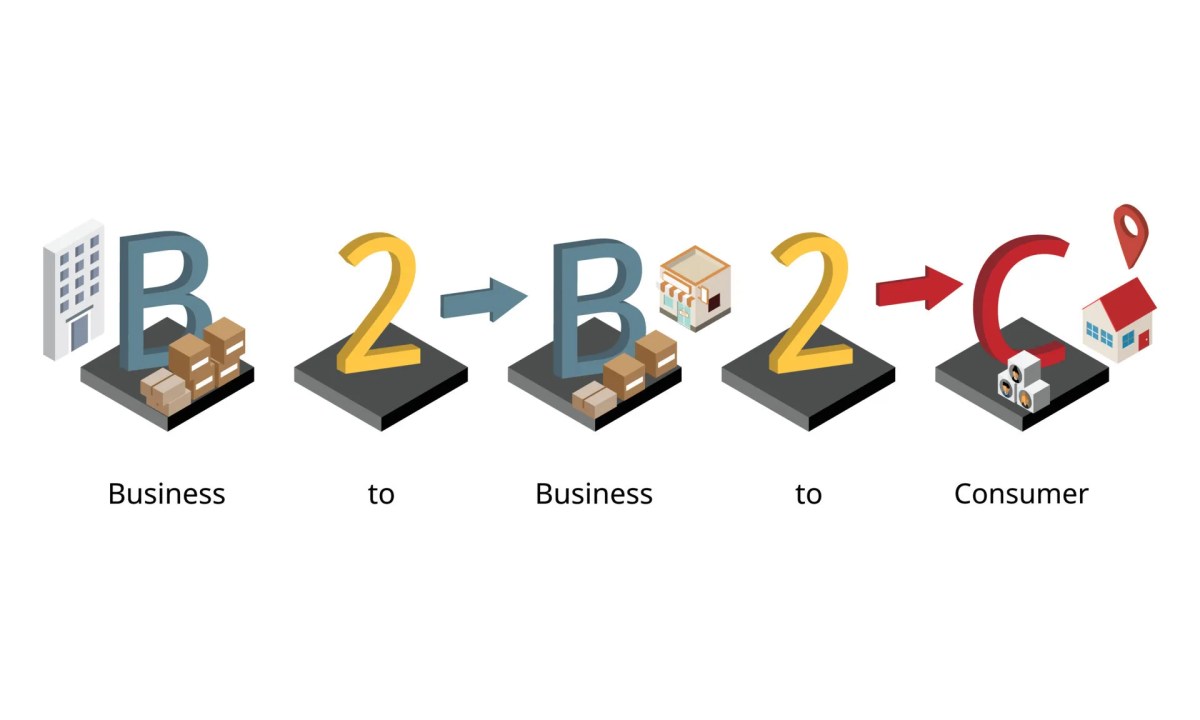
B2B marketing automation refers to the use of software and technology to automate repetitive marketing tasks, streamline workflows, and deliver personalized content to business buyers across multiple channels. Unlike B2C marketing, which often targets individual consumers with emotional triggers, B2B marketing automation focuses on longer sales cycles, complex decision-making units, and data-driven engagement.

Defining the Core Concept
At its heart, b2b marketing automation is about efficiency and relevance. It allows marketing teams to nurture leads through targeted email campaigns, social media outreach, content delivery, and lead scoring—all without manual intervention at every step. Platforms like HubSpot and Marketo have become industry standards, offering robust tools that integrate seamlessly with CRM systems.
- Automates repetitive tasks like email follow-ups and lead tracking
- Enables personalized communication at scale
- Integrates with CRM platforms for unified data management
“Marketing automation is not about replacing humans—it’s about empowering them to focus on strategy, creativity, and relationship-building.” — Ann Handley, Chief Content Officer at MarketingProfs
How It Differs from B2C Automation
While both B2B and B2C marketing automation rely on similar technologies, their application differs significantly. B2B buyers are typically more rational, require more information, and involve multiple stakeholders. This means automation in B2B must support longer nurturing sequences, detailed content assets (like whitepapers and case studies), and precise lead qualification.
- B2B automation focuses on account-based marketing (ABM) and lead scoring
- B2C automation often emphasizes instant gratification and emotional appeal
- B2B cycles can last months or even years, requiring sustained engagement
The Evolution of B2B Marketing Technology
The rise of b2b marketing automation has been fueled by advancements in AI, data analytics, and cloud computing. In the early 2000s, automation tools were rudimentary, focusing mainly on email blasts. Today, platforms leverage machine learning to predict buyer behavior, recommend content, and optimize send times. According to a report by Gartner, over 75% of mid-to-large B2B organizations now use some form of marketing automation.
- Early tools focused on email scheduling and basic segmentation
- Modern platforms offer predictive analytics and AI-driven insights
- Integration with sales enablement tools has become standard
Key Benefits of Implementing B2B Marketing Automation
Adopting b2b marketing automation offers transformative advantages for organizations aiming to improve efficiency, increase conversion rates, and enhance customer experiences. When implemented correctly, it becomes a strategic asset rather than just a tactical tool.
Improved Lead Generation and Nurturing
One of the most significant benefits of b2b marketing automation is its ability to generate and nurture high-quality leads. Automated workflows can deliver targeted content based on user behavior, such as downloading a whitepaper or attending a webinar. This ensures that prospects receive relevant information at the right time, increasing the likelihood of conversion.
- Drip email campaigns guide leads through the buyer’s journey
- Behavioral triggers send personalized content based on actions
- Landing pages and forms are optimized for maximum conversions
“Companies using marketing automation see a 451% increase in qualified leads.” — Annuitas Group
Enhanced Sales and Marketing Alignment
Historically, sales and marketing teams have operated in silos, leading to miscommunication and inefficiencies. B2B marketing automation bridges this gap by providing shared visibility into lead activity, scoring, and engagement levels. With a unified platform, both teams can agree on what constitutes a “sales-ready” lead.
- Lead scoring models help prioritize high-intent prospects
- Shared dashboards improve transparency and accountability
- Automated alerts notify sales when a lead reaches a threshold
Increased Operational Efficiency
Manual marketing processes are time-consuming and prone to error. B2B marketing automation eliminates much of this burden by handling routine tasks such as email scheduling, social media posting, and campaign tracking. This frees up marketers to focus on strategy, content creation, and performance analysis.
- Reduces time spent on repetitive administrative tasks
- Ensures consistent messaging across channels
- Enables rapid A/B testing and campaign optimization
Core Components of a Successful B2B Marketing Automation Strategy
Building an effective b2b marketing automation strategy requires more than just selecting a software platform. It demands a clear understanding of your audience, well-defined goals, and a structured approach to execution.
Lead Scoring and Segmentation
Lead scoring assigns numerical values to prospects based on their demographic and behavioral data. This helps identify which leads are most likely to convert. Segmentation, on the other hand, groups leads into categories (e.g., industry, company size, job title) to deliver more personalized messaging.
- Demographic scoring considers firmographics like company size and location
- Behavioral scoring tracks actions such as website visits and email opens
- Dynamic segmentation adjusts in real-time based on user behavior
“Without proper lead scoring, 50% of sales-ready leads are wasted.” — SiriusDecisions
Email Campaign Automation
Email remains one of the most effective channels in b2b marketing automation. Automated email sequences can welcome new subscribers, nurture cold leads, re-engage inactive contacts, and onboard customers. The key is to design workflows that feel personal, not robotic.
- Welcome series build trust with new leads
- Nurture sequences educate prospects over time
- Re-engagement campaigns win back inactive users
Content Personalization and Dynamic Messaging
Personalization goes beyond using a contact’s first name. True b2b marketing automation leverages data to deliver dynamic content tailored to a prospect’s role, industry, or stage in the buyer’s journey. This could mean showing different website banners, email CTAs, or landing page content based on user data.
- Dynamic content adapts based on firmographic and behavioral data
- Personalized CTAs increase click-through rates by up to 202%
- AI-powered recommendations suggest relevant content
Top B2B Marketing Automation Tools and Platforms
Choosing the right b2b marketing automation platform is critical to success. The market is crowded with options, each offering different strengths depending on business size, industry, and integration needs.
HubSpot: All-in-One Marketing Hub
HubSpot is one of the most popular b2b marketing automation platforms, known for its user-friendly interface and comprehensive suite of tools. It offers email marketing, CRM integration, landing page builders, and analytics—all within a single ecosystem.
- Ideal for small to mid-sized businesses
- Seamless integration with Salesforce and other CRMs
- Strong focus on inbound marketing methodology
Learn more at HubSpot Marketing Hub.
Marketo Engage: Enterprise-Grade Power
Marketo, now part of Adobe, is a leader in enterprise-level b2b marketing automation. It excels in complex campaign management, account-based marketing, and advanced analytics. Its flexibility makes it a favorite among large organizations with sophisticated marketing needs.
- Robust API for deep integrations
- Advanced lead management and ABM capabilities
- Strong reporting and ROI measurement tools
Explore Marketo Engage for enterprise solutions.
Pardot by Salesforce: CRM-Centric Automation
Pardot is Salesforce’s marketing automation solution, designed specifically for businesses already using the Salesforce CRM. It offers tight integration, real-time syncing, and powerful lead management features tailored to B2B sales cycles.
- Perfect for Salesforce-heavy organizations
- Native lead scoring and grading within Salesforce
- Strong alignment between marketing and sales pipelines
Visit Pardot Overview for details.
How to Build a Scalable B2B Marketing Automation Funnel
A well-structured marketing funnel is essential for maximizing the impact of b2b marketing automation. It guides prospects from awareness to decision, using automated touchpoints to build trust and drive conversions.
Awareness Stage: Attracting the Right Audience
The top of the funnel (TOFU) is all about visibility and education. Automated content distribution—such as blog posts, social media updates, and SEO-optimized resources—helps attract potential buyers who are just beginning their research.
- Use SEO and paid ads to drive traffic to gated content
- Automate social media posting with tools like Hootsuite or Buffer
- Offer lead magnets like checklists or templates to capture emails
“89% of buyers begin their journey with a search engine.” — Google B2B Research
Consideration Stage: Nurturing Engagement
In the middle of the funnel (MOFU), prospects are evaluating solutions. This is where b2b marketing automation shines through targeted email sequences, personalized content recommendations, and retargeting ads.
- Send case studies and product comparisons to warm leads
- Use lead scoring to identify engagement levels
- Trigger follow-ups based on content downloads or webinar attendance
Decision Stage: Accelerating Conversions
At the bottom of the funnel (BOFU), prospects are ready to buy. Automation can facilitate demos, free trials, and consultations by connecting them directly with sales reps or scheduling tools.
- Automate demo requests and calendar bookings
- Send pricing guides and ROI calculators
- Use chatbots to answer final objections in real-time
Integrating CRM and Sales Enablement Tools
The true power of b2b marketing automation is unlocked when it’s integrated with CRM and sales enablement systems. This creates a closed-loop ecosystem where marketing efforts directly impact sales outcomes.
Synchronizing Data Between Marketing and Sales
Without integration, marketing and sales operate with incomplete data. By syncing platforms like HubSpot or Pardot with Salesforce, every interaction—from email opens to website visits—is visible to both teams.
- Real-time data sync ensures up-to-date lead profiles
- Sales teams receive alerts for high-engagement leads
- Marketing can measure campaign ROI based on closed deals
Using Automation for Sales Enablement
B2B marketing automation doesn’t end at lead handoff. It can equip sales teams with personalized content, battle cards, and email templates tailored to specific accounts or industries.
- Automated content libraries provide sales with on-demand resources
- AI-driven insights suggest the best next steps for each lead
- Track content engagement to understand what resonates
“Sales teams using automation tools close 36% more deals.” — Salesforce State of Sales Report
Measuring Closed-Loop ROI
Closed-loop reporting connects marketing activities to revenue outcomes. It answers critical questions like: Which campaigns generated the most customers? What’s the cost per acquired customer? This data is essential for optimizing future strategies.
- Attribute revenue to specific campaigns and channels
- Calculate customer acquisition cost (CAC) and lifetime value (LTV)
- Identify underperforming campaigns for reallocation
Common Challenges and How to Overcome Them
Despite its benefits, b2b marketing automation comes with challenges. Many organizations struggle with data quality, team adoption, and campaign complexity.
Data Quality and List Management
Poor data quality is the #1 obstacle to successful automation. Outdated emails, incorrect job titles, or missing firmographics can derail even the best campaigns.
- Regularly clean and update your database
- Use double opt-in forms to ensure email validity
- Integrate with data enrichment tools like Clearbit or ZoomInfo
Over-Automation and Losing the Human Touch
While automation saves time, over-reliance can make communication feel impersonal. The key is balance—automate where efficiency matters, but retain human interaction for high-value touchpoints.
- Use automation for initial nurturing, not final negotiations
- Allow sales reps to personalize follow-ups based on automation insights
- Monitor engagement metrics to detect disinterest early
Measuring the Right KPIs
Many teams focus on vanity metrics like email open rates, while ignoring deeper indicators like lead-to-customer conversion or pipeline velocity. Choosing the right KPIs is crucial for long-term success.
- Track lead quality, not just quantity
- Measure time-to-lead response and sales cycle length
- Use attribution modeling to understand channel impact
Future Trends in B2B Marketing Automation
The landscape of b2b marketing automation is evolving rapidly. Emerging technologies like artificial intelligence, predictive analytics, and account-based marketing are reshaping how businesses engage with prospects.
AI-Powered Predictive Analytics
AI is transforming b2b marketing automation by predicting which leads are most likely to convert, recommending optimal send times, and even generating content. Platforms like Salesforce Einstein use machine learning to enhance decision-making.
- Predictive lead scoring improves targeting accuracy
- AI-driven content suggestions boost engagement
- Automated A/B testing optimizes campaigns in real-time
Rise of Account-Based Marketing (ABM)
ABM treats individual accounts as markets of one. B2B marketing automation supports ABM by enabling hyper-personalized campaigns across email, social, and display advertising.
- Target decision-makers within specific companies
- Deliver coordinated multi-channel experiences
- Measure engagement at the account level, not just individual contacts
“Companies using ABM see 208% higher sales pipeline efficiency.” — ITSMA
Integration with Conversational Marketing
Chatbots and conversational AI are becoming integral to b2b marketing automation. They provide instant responses, qualify leads, and book meetings—all without human intervention.
- Chatbots engage visitors 24/7 on your website
- Qualify leads through automated Q&A
- Integrate with CRM to pass qualified leads to sales
What is b2b marketing automation?
B2B marketing automation is the use of software to automate marketing processes such as lead generation, nurturing, email campaigns, and lead scoring in business-to-business environments. It helps companies engage prospects efficiently and align marketing with sales.
What are the best b2b marketing automation tools?
Top tools include HubSpot, Marketo Engage, Pardot by Salesforce, ActiveCampaign, and Mailchimp (for smaller businesses). The best choice depends on your business size, integration needs, and budget.
How does b2b marketing automation improve sales?
It improves sales by delivering qualified leads faster, providing sales teams with behavioral insights, automating follow-ups, and enabling personalized outreach. This reduces response time and increases conversion rates.
Can small businesses benefit from b2b marketing automation?
Absolutely. Many platforms offer scalable pricing and user-friendly interfaces. Small businesses can use automation to compete with larger players by improving lead management and customer engagement.
What metrics should I track in b2b marketing automation?
Key metrics include lead conversion rate, email open and click-through rates, lead scoring accuracy, sales cycle length, customer acquisition cost (CAC), and ROI per campaign.
B2B marketing automation is no longer optional—it’s a strategic imperative for businesses aiming to grow efficiently in a competitive landscape. From lead generation to sales alignment, the right automation strategy can transform how you engage with customers. By leveraging powerful tools, integrating with CRM systems, and focusing on data-driven personalization, companies can build scalable, high-performing marketing engines. As AI and ABM continue to evolve, the future of b2b marketing automation promises even greater precision and impact. The key is to start with clear goals, choose the right platform, and continuously optimize based on performance data.
Further Reading: