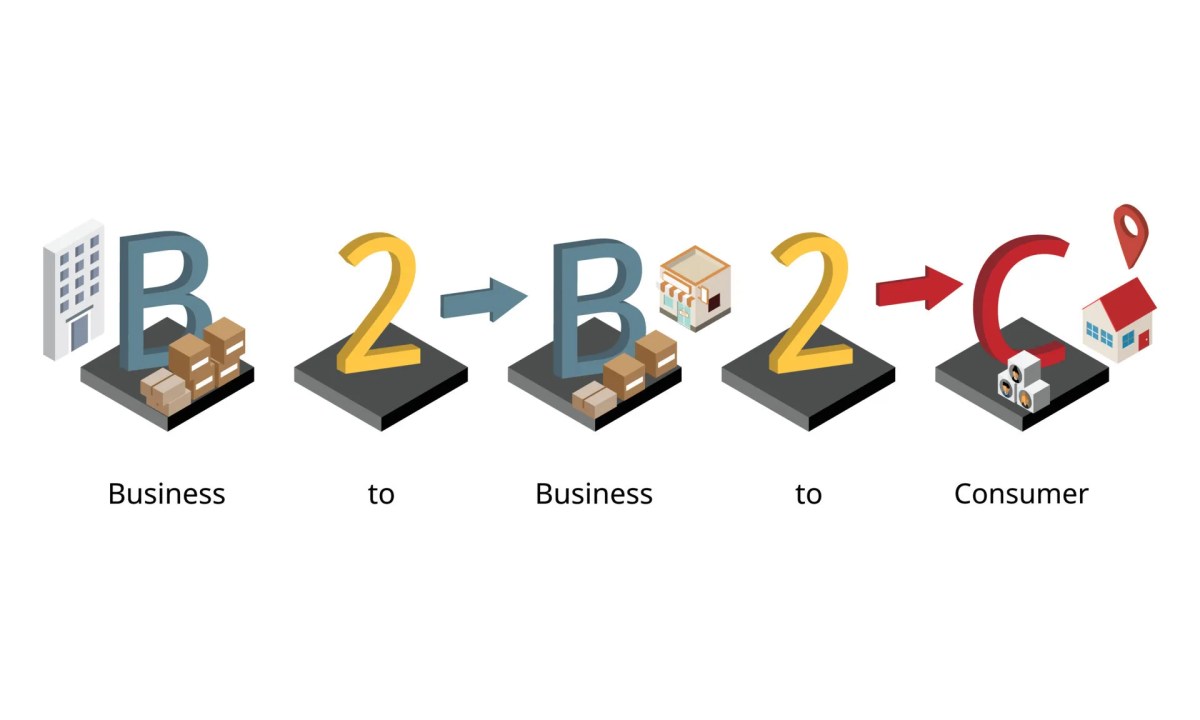
Generating high-quality B2B leads isn’t just about volume—it’s about strategy, precision, and consistency. In today’s competitive landscape, businesses that master b2b lead generation don’t just survive; they dominate. Let’s dive into the most effective methods to transform your pipeline.
Understanding B2B Lead Generation: The Foundation

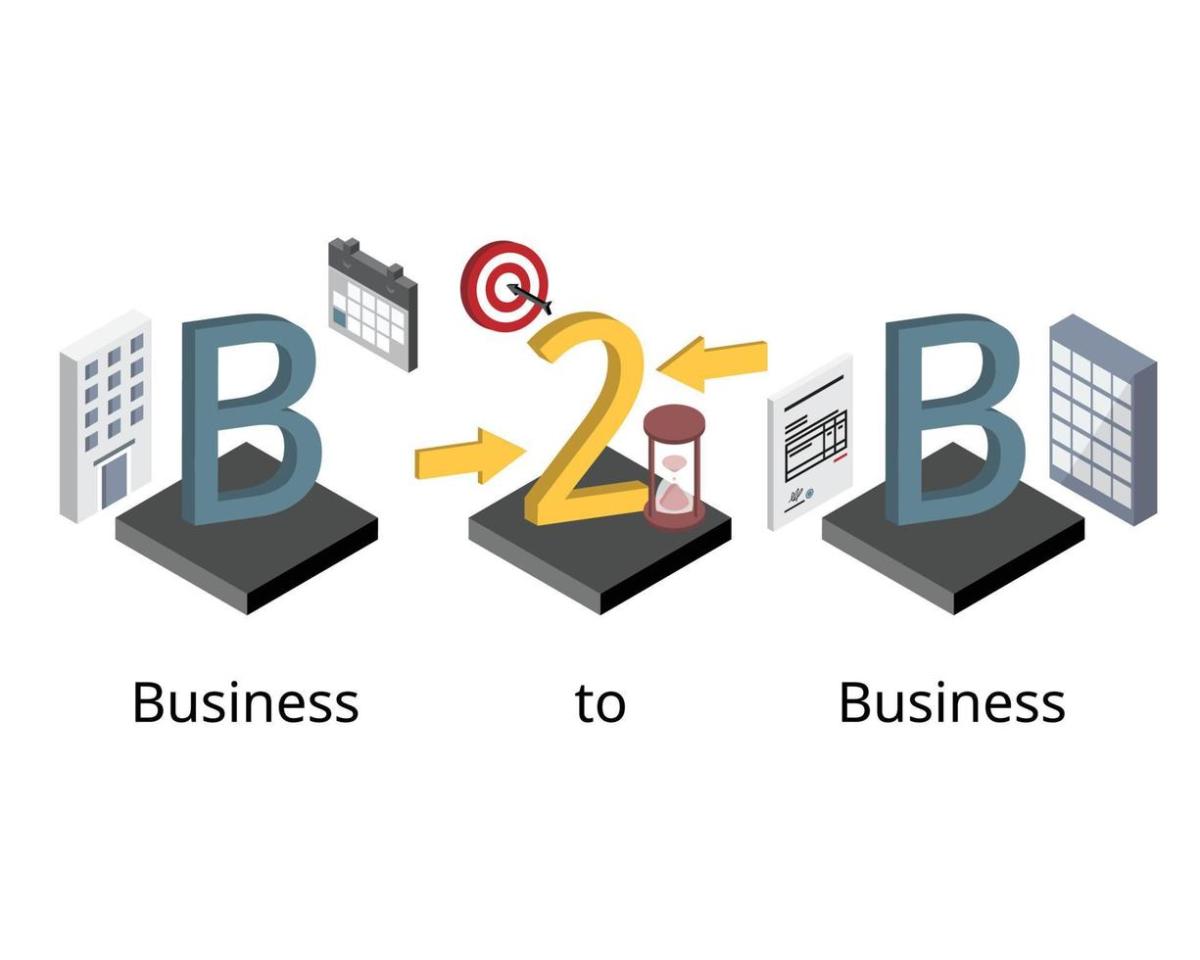
B2B lead generation is the strategic process of identifying, attracting, and converting business clients into potential customers for your products or services. Unlike B2C, where emotions often drive purchases, B2B decisions are typically rational, data-driven, and involve multiple stakeholders. This makes the sales cycle longer and more complex, requiring a tailored approach.

What Defines a B2B Lead?
A B2B lead is any organization or individual in a company that has shown interest in your offering. This interest can be demonstrated through actions like downloading a whitepaper, signing up for a demo, or attending a webinar. Not all leads are equal—some are more qualified than others.
- Marketing Qualified Lead (MQL): A lead that has engaged with your marketing efforts but isn’t yet ready for sales.
- Sales Qualified Lead (SQL): A lead that marketing has passed to sales because they’ve shown buying intent.
- Product Qualified Lead (PQL): Common in SaaS, this lead has used your product (e.g., free trial) and shown signs of conversion potential.
The B2B Buyer’s Journey
Understanding the buyer’s journey is critical in b2b lead generation. It typically consists of three stages:
- Awareness: The prospect realizes they have a problem.
- Consideration: They research possible solutions.
- Decision: They evaluate vendors and make a purchase decision.
Each stage requires different content and engagement strategies. For example, blog posts and infographics work well in the awareness stage, while case studies and demos are more effective in the decision phase.
“The best b2b lead generation strategies align marketing and sales around the customer journey.” — HubSpot
Top 7 B2B Lead Generation Strategies That Work in 2024
With countless tactics available, it’s easy to get overwhelmed. However, focusing on proven, high-impact strategies can dramatically improve your results. Here are seven powerful approaches to b2b lead generation that deliver consistent ROI.
1. Content Marketing & SEO
Content is the backbone of modern b2b lead generation. By creating valuable, educational content, you position your brand as a trusted authority. This builds credibility and nurtures leads over time.
- Develop in-depth blog posts targeting long-tail keywords like “how to improve b2b lead generation”.
- Create downloadable assets such as eBooks, whitepapers, and checklists that require an email to access.
- Optimize content for search engines using tools like Ahrefs or Moz to increase organic visibility.
According to Content Marketing Institute, content marketing generates three times as many leads as traditional marketing, at 62% less cost.
2. LinkedIn Outreach & Social Selling
LinkedIn is the #1 platform for b2b lead generation. With over 900 million users, including 63 million decision-makers, it’s a goldmine for targeted outreach.
- Optimize your company page and personal profiles with clear value propositions.
- Engage in relevant groups and discussions to build visibility.
- Use LinkedIn Sales Navigator to identify and connect with ideal prospects.
Personalized connection requests with a clear message can yield response rates of up to 40%. Combine this with regular content sharing to stay top-of-mind.
3. Email Marketing Campaigns
Email remains one of the highest ROI channels for b2b lead generation. When done right, it nurtures leads, educates prospects, and drives conversions.
- Segment your email list based on behavior, industry, or job title.
- Use automated drip campaigns to guide leads through the funnel.
- Include strong CTAs, personalized subject lines, and mobile-responsive designs.
According to Campaign Monitor, segmented email campaigns generate 30% more opens and 50% higher click-through rates.
4. Webinars & Virtual Events
Webinars are a powerful tool for b2b lead generation because they combine education with engagement. They allow you to showcase expertise while capturing high-intent leads.
- Choose topics that solve specific pain points for your audience.
- Promote the event via email, social media, and paid ads.
- Follow up with attendees and no-shows using automated sequences.
A well-executed webinar can generate hundreds of qualified leads. For example, ZoomInfo reported that webinars produce an average of 17% conversion rate from registrant to SQL.
5. Paid Advertising (PPC & Social Ads)
Paid advertising accelerates b2b lead generation by putting your message in front of the right audience at the right time.
- Use Google Ads to target high-intent keywords like “best CRM for small business”.
- Leverage LinkedIn Ads for precise targeting by job title, company size, and industry.
- Retarget website visitors with display or social ads to increase conversion chances.
While organic strategies take time, paid ads deliver immediate results. The key is to optimize landing pages and forms to maximize conversion rates.
6. Account-Based Marketing (ABM)
ABM flips traditional b2b lead generation on its head. Instead of casting a wide net, you focus on a select group of high-value accounts and personalize your approach.
- Identify target accounts based on firmographic and behavioral data.
- Create customized content and outreach campaigns for each account.
- Align sales and marketing teams to engage key stakeholders.
According to ABM Institute, companies using ABM report 208% higher ROI than other marketing strategies.
7. Referral & Partner Programs
One of the most underutilized yet effective b2b lead generation strategies is leveraging existing relationships. Happy customers and strategic partners can become powerful advocates.
- Launch a formal referral program with incentives for successful introductions.
- Partner with complementary businesses to co-host events or co-create content.
- Ask for testimonials and case studies to build social proof.
Referred leads have a 30% higher conversion rate and a 16% higher lifetime value, according to Invesp.
Essential Tools for B2B Lead Generation Success
Technology plays a crucial role in scaling and optimizing b2b lead generation. The right tools can automate workflows, improve targeting, and provide actionable insights.
CRM Platforms
A Customer Relationship Management (CRM) system is the backbone of any b2b lead generation strategy. It helps track interactions, manage pipelines, and nurture relationships.
- Salesforce: Industry leader with robust automation and analytics.
- HubSpot CRM: User-friendly and integrates seamlessly with marketing tools.
- Zoho CRM: Cost-effective with strong AI-powered features.
Marketing Automation Tools
Automation tools help deliver personalized content at scale, saving time and increasing efficiency.
- HubSpot Marketing Hub: All-in-one platform for email, social, and landing pages.
- Marketo: Ideal for enterprise-level b2b lead generation campaigns.
- ActiveCampaign: Combines email marketing with powerful automation workflows.
Lead Intelligence & Enrichment Tools
Knowing more about your leads increases your chances of conversion. These tools provide insights into company size, tech stack, and buying intent.
- Clearbit: Enriches lead data in real-time.
- Lusha: Provides contact details for decision-makers.
- ZoomInfo: Comprehensive B2B database with intent data.
Measuring the Success of Your B2B Lead Generation Efforts
Without proper measurement, even the best b2b lead generation strategies can fall short. Tracking key performance indicators (KPIs) ensures you’re moving in the right direction.
Key Metrics to Track
Focus on metrics that reflect both quantity and quality of leads.
- Lead Conversion Rate: Percentage of leads that become customers.
- Cost Per Lead (CPL): Total spend divided by number of leads generated.
- Customer Acquisition Cost (CAC): Total sales and marketing cost to acquire a customer.
- Lead-to-Customer Ratio: How many leads turn into paying customers.
- Marketing Qualified Leads (MQLs): Volume and quality of leads passed to sales.
Using Analytics to Optimize Campaigns
Data-driven decisions are the hallmark of successful b2b lead generation. Use analytics platforms to identify what’s working and what’s not.
- Google Analytics: Track traffic sources, behavior flow, and conversion paths.
- UTM Parameters: Tag URLs to measure campaign performance across channels.
- A/B Testing: Test subject lines, CTAs, landing pages, and ad copy to improve results.
Regular reporting and analysis allow you to pivot quickly and allocate budget to high-performing channels.
Common B2B Lead Generation Mistakes to Avoid
Even experienced marketers make errors that undermine their b2b lead generation efforts. Recognizing these pitfalls can save time, money, and frustration.
Targeting the Wrong Audience
One of the most common mistakes is casting too wide a net. Without a clear ideal customer profile (ICP), you’ll attract low-quality leads that never convert.
- Solution: Develop a detailed ICP using firmographic, demographic, and behavioral data.
- Use intent data to identify companies actively researching solutions like yours.
Ignoring Lead Nurturing
Only 2% of prospects are ready to buy immediately. The rest need nurturing. Failing to follow up or provide value over time results in lost opportunities.
- Solution: Implement email drip campaigns, retargeting ads, and personalized content.
- Use lead scoring to prioritize follow-ups based on engagement level.
Poor Sales and Marketing Alignment
When sales and marketing teams work in silos, b2b lead generation suffers. Misalignment leads to inconsistent messaging and wasted effort.
- Solution: Hold regular sync meetings, define shared KPIs, and use a unified CRM.
- Implement Service Level Agreements (SLAs) between teams to ensure accountability.
The Future of B2B Lead Generation: Trends to Watch
The landscape of b2b lead generation is evolving rapidly. Staying ahead of trends ensures your strategy remains effective and competitive.
Rise of AI and Predictive Analytics
Artificial intelligence is transforming how we identify and engage leads. AI-powered tools can predict which leads are most likely to convert, personalize content at scale, and automate outreach.
- Chatbots qualify leads 24/7 on your website.
- Predictive lead scoring improves targeting accuracy.
- AI-driven content tools help create personalized emails and landing pages.
According to Gartner, by 2025, 80% of B2B sales interactions will be managed by AI.
Increased Focus on Personalization
Generic messaging no longer works. Buyers expect hyper-personalized experiences based on their role, industry, and behavior.
- Use dynamic content on websites and emails.
- Reference recent company news or challenges in outreach.
- Leverage intent data to deliver timely, relevant offers.
Personalized emails deliver 6x higher transaction rates, per Experian.
Growth of Video and Interactive Content
Video is becoming a dominant format in b2b lead generation. From explainer videos to personalized video messages, it boosts engagement and trust.
- Create short demo videos for product pages.
- Use interactive quizzes or calculators to capture leads.
- Send personalized video emails to prospects.
According to Wyzowl, 91% of businesses use video as a marketing tool, and 87% report it’s effective for lead generation.
Building a Scalable B2B Lead Generation Funnel
A successful b2b lead generation strategy isn’t a one-off campaign—it’s a repeatable, scalable system. Building a funnel ensures consistent lead flow over time.
Top of Funnel (TOFU): Awareness
At this stage, your goal is to attract as many relevant prospects as possible.
- SEO-optimized blog posts and articles.
- Social media content and organic posts.
- Guest posting on industry websites.
Focus on solving problems, not selling. Provide value first.
Middle of Funnel (MOFU): Consideration
Now, prospects are evaluating solutions. Your job is to position your brand as the best choice.
- E-books, whitepapers, and industry reports.
- Webinars and case studies.
- Comparison guides and product overviews.
Capture contact information with gated content to move leads into your nurturing system.
Bottom of Funnel (BOFU): Decision
These leads are ready to buy. Make it easy for them to say yes.
- Free trials, demos, and consultations.
- Customer testimonials and ROI calculators.
- Time-limited offers or discounts.
Ensure your sales team is equipped to handle inquiries promptly and professionally.
“The best b2b lead generation funnels are not built overnight—they’re optimized over time with data and feedback.”
Conclusion: Mastering B2B Lead Generation in 2024
B2B lead generation is both an art and a science.It requires a deep understanding of your audience, a strategic mix of channels, and relentless optimization.By focusing on high-value content, leveraging technology, and aligning sales and marketing, you can build a predictable pipeline that drives growth..
The strategies outlined—content marketing, LinkedIn outreach, email campaigns, webinars, paid ads, ABM, and referrals—are proven to deliver results.Avoid common mistakes, track your metrics, and stay ahead of trends like AI and personalization.The future of b2b lead generation belongs to those who adapt, innovate, and execute with precision..
What is b2b lead generation?
B2B lead generation is the process of attracting and converting businesses into potential customers for your product or service. It involves strategies like content marketing, email campaigns, and social selling to generate qualified leads.
What are the best channels for b2b lead generation?
The most effective channels include LinkedIn, email marketing, SEO-driven content, webinars, and paid advertising on platforms like Google and LinkedIn. The best channel depends on your audience and industry.
How do you measure the success of b2b lead generation?
Track metrics like lead conversion rate, cost per lead, customer acquisition cost, and lead-to-customer ratio. Use analytics tools to monitor performance and optimize campaigns.
What is the difference between MQL and SQL?
A Marketing Qualified Lead (MQL) has engaged with marketing content but isn’t sales-ready. A Sales Qualified Lead (SQL) has been vetted by marketing and shows clear intent to purchase, making them ready for sales outreach.
How can AI improve b2b lead generation?
AI enhances b2b lead generation by enabling predictive lead scoring, automating outreach, personalizing content, and analyzing buyer intent. Tools like chatbots and AI-driven CRMs help scale efforts efficiently.
Further Reading: