Looking to scale your B2B business? A smart b2b growth platform isn’t just a tool—it’s your engine for sustainable expansion, smarter outreach, and higher conversion. Let’s dive into what makes these platforms indispensable.
What Is a B2B Growth Platform?

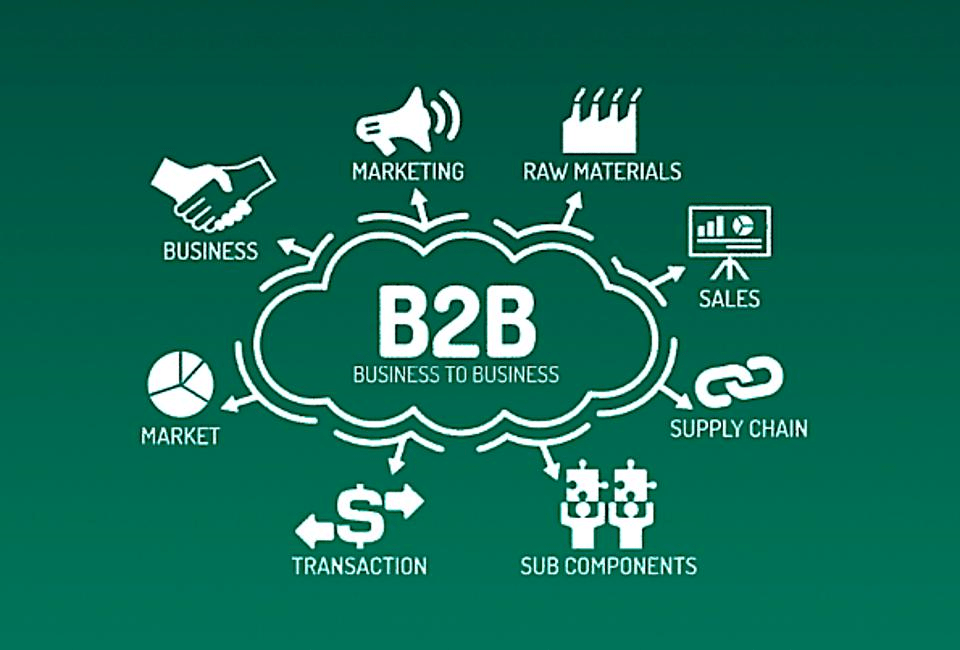
A b2b growth platform is a comprehensive technology ecosystem designed to accelerate business-to-business growth by integrating marketing, sales, customer success, and data analytics into a unified system. Unlike traditional tools that operate in silos, a true b2b growth platform connects every stage of the customer journey, enabling companies to scale efficiently and predictably.

Core Definition and Purpose
The term ‘b2b growth platform’ has evolved from simple CRM systems to dynamic, AI-powered environments that drive revenue. Its primary purpose is to eliminate friction between departments, automate repetitive tasks, and provide actionable insights based on real-time data. According to Gartner, companies using integrated growth platforms report up to 35% faster revenue cycles.
- Unifies sales, marketing, and customer service workflows
- Focuses on data-driven decision-making
- Enables scalable customer acquisition and retention
Evolution from Traditional CRM
While CRMs like Salesforce were once the gold standard, they often lacked deep analytics, automation, and cross-functional integration. Modern b2b growth platforms go beyond contact management—they incorporate predictive lead scoring, intent data, and revenue operations (RevOps) frameworks. For example, HubSpot’s Growth Platform blends CRM with marketing automation, sales enablement, and service hubs to create a full-funnel experience.
“The future of B2B growth isn’t in isolated tools—it’s in connected platforms that empower teams with shared goals and unified data.” — Forbes Insights, 2023
Why Your Business Needs a B2B Growth Platform
In today’s hyper-competitive B2B landscape, relying on fragmented tools and manual processes is a recipe for stagnation. A b2b growth platform provides the infrastructure needed to scale intelligently, reduce operational costs, and improve customer lifetime value.
Accelerated Sales Cycles
One of the most significant advantages of a b2b growth platform is its ability to shorten sales cycles. By automating lead qualification, nurturing, and handoff processes, sales teams can focus on high-value conversations. Platforms like SalesLoft use cadence automation and engagement analytics to boost rep productivity by up to 50%.
- Automated lead routing ensures faster follow-ups
- Behavioral tracking identifies buying intent early
- Integrated communication tools reduce response time
Improved Customer Retention
Growth isn’t just about acquiring new clients—it’s about keeping them. A b2b growth platform tracks customer health scores, monitors usage patterns, and triggers proactive interventions. For instance, platforms like ChurnZero help SaaS companies reduce churn by identifying at-risk accounts before they disengage.
“Companies that leverage customer success platforms see 20-40% higher retention rates.” — Harvard Business Review
Key Features of a High-Performance B2B Growth Platform
Not all platforms are created equal. A truly effective b2b growth platform must include specific capabilities that support end-to-end growth. These features act as the foundation for scalability, efficiency, and insight-driven decision-making.
Integrated Marketing Automation
Marketing automation is no longer optional. A b2b growth platform should offer robust tools for email campaigns, social media scheduling, landing page creation, and lead nurturing workflows. Platforms like Marketo and ActiveCampaign enable businesses to deliver personalized content at scale, increasing conversion rates by up to 50%.
- Behavior-triggered email sequences
- A/B testing for campaign optimization
- Multi-channel engagement tracking
Advanced Analytics and Reporting
Data is the lifeblood of growth. A top-tier b2b growth platform provides real-time dashboards, predictive analytics, and custom reporting. These insights allow leaders to spot trends, forecast revenue, and adjust strategies quickly. For example, Tableau integrates seamlessly with many platforms to visualize complex data sets in an accessible way.
“Organizations that use advanced analytics grow revenue 2.5x faster than those that don’t.” — McKinsey & Company
Sales Enablement Tools
Sales teams need more than just contact lists—they need content, training, and performance feedback. A b2b growth platform should include sales playbooks, content libraries, and performance analytics. Tools like Showpad help reps deliver the right message at the right time, increasing win rates by up to 30%.
- Content recommendation engines
- Call recording and transcription
- Competitive intelligence modules
Top B2B Growth Platforms in 2024
With dozens of options on the market, choosing the right b2b growth platform can be overwhelming. Below is a curated list of the most powerful platforms based on functionality, scalability, and user satisfaction.
HubSpot Growth Platform
HubSpot remains a leader due to its all-in-one approach. Its b2b growth platform combines CRM, marketing hub, sales hub, and service hub into a single interface. It’s ideal for mid-market companies looking to scale without complexity. Features include:
- Free CRM with premium upgrades
- AI-powered content suggestions
- Revenue attribution modeling
Learn more at HubSpot’s official site.
Salesforce Revenue Cloud
Salesforce has long been the enterprise favorite. Its Revenue Cloud is a full-stack b2b growth platform that supports complex sales cycles, CPQ (Configure, Price, Quote), and billing automation. It integrates with over 4,000 apps via the AppExchange, making it highly customizable.
- AI-driven Einstein Analytics
- Global scalability with multi-currency support
- Deep integration with ERP systems
Explore it at Salesforce Revenue Cloud.
Marketo Engage by Adobe
For enterprises with sophisticated marketing needs, Marketo Engage offers unparalleled automation and personalization. As part of Adobe’s Experience Cloud, it excels in account-based marketing (ABM) and cross-channel orchestration.
- Real-time buyer journey mapping
- AI-powered lead scoring
- Seamless integration with Salesforce and Microsoft Dynamics
Visit Marketo.com for demos and pricing.
How to Choose the Right B2B Growth Platform
Selecting the right b2b growth platform requires more than just comparing feature lists. It demands a strategic assessment of your business goals, team structure, and technical ecosystem.
Assess Your Business Needs
Start by identifying your biggest growth bottlenecks. Are leads falling through the cracks? Is your sales team spending too much time on admin tasks? Do you lack visibility into customer behavior? Answering these questions will help you prioritize platform capabilities.
- Map your customer journey from awareness to advocacy
- Identify gaps in current tools and processes
- Define key performance indicators (KPIs) for success
Evaluate Integration Capabilities
A b2b growth platform must work seamlessly with your existing tech stack. Check for native integrations with tools like Slack, Zoom, Google Workspace, and your ERP system. Poor integration leads to data silos and reduced ROI.
“70% of failed platform implementations stem from poor integration planning.” — Deloitte Digital Transformation Report
Consider Scalability and Support
Choose a platform that grows with you. Look for vendors that offer tiered pricing, dedicated customer success managers, and robust training resources. Scalability isn’t just about user count—it’s about handling increased data volume, global expansion, and evolving compliance requirements.
- Check for SOC 2 and GDPR compliance
- Review SLAs for uptime and support response
- Test onboarding and training materials
Implementing a B2B Growth Platform: A Step-by-Step Guide
Rolling out a new b2b growth platform is a major initiative. A structured implementation process ensures minimal disruption and maximum adoption.
Phase 1: Planning and Goal Setting
Begin with a cross-functional team including marketing, sales, IT, and customer success. Define clear objectives such as increasing lead conversion by 25% or reducing onboarding time by 30%. Document current workflows and identify areas for improvement.
- Hold discovery workshops with stakeholders
- Create a project timeline with milestones
- Assign roles and responsibilities
Phase 2: Data Migration and Configuration
Data is the backbone of any b2b growth platform. Cleanse existing data, remove duplicates, and standardize formats before migration. Configure the platform to reflect your sales stages, lead scoring model, and customer segments.
“Poor data quality can reduce platform ROI by up to 50%.” — IBM Institute for Business Value
Phase 3: Training and Change Management
Even the best platform fails without user adoption. Develop role-specific training programs and provide ongoing support. Use internal champions to drive enthusiasm and address resistance.
- Create video tutorials and quick-reference guides
- Run pilot programs with select teams
- Gather feedback and iterate
Measuring Success: KPIs for Your B2B Growth Platform
Once your b2b growth platform is live, tracking performance is critical. Use key metrics to evaluate ROI, optimize workflows, and justify future investments.
Revenue Growth and CAC
Monitor monthly recurring revenue (MRR) and customer acquisition cost (CAC). A successful platform should lower CAC while increasing deal size and close rates. Calculate CAC by dividing total sales and marketing spend by the number of new customers acquired.
- Target CAC payback period: under 12 months
- Aim for LTV:CAC ratio of 3:1 or higher
- Track CAC by channel to optimize spend
Lead Conversion Rates
Measure how effectively your platform moves leads through the funnel. Track conversion rates from:
- Website visitor to marketing-qualified lead (MQL)
- MQL to sales-qualified lead (SQL)
- SQL to opportunity to closed-won
Benchmark against industry averages—top performers convert 20-30% of MQLs to SQLs.
Customer Health and Retention
Use platform data to calculate net promoter score (NPS), churn rate, and customer health scores. Proactive alerts for declining engagement can trigger retention campaigns.
“Companies with strong customer health monitoring reduce churn by 25%.” — Bain & Company
What is a b2b growth platform?
A b2b growth platform is an integrated software ecosystem that combines marketing, sales, and customer success tools to drive scalable revenue growth. It uses data, automation, and analytics to optimize the entire customer lifecycle.
How does a b2b growth platform improve sales efficiency?
It automates lead scoring, routing, and follow-ups, reduces manual data entry, and provides real-time insights into deal progress. This allows sales teams to focus on closing deals rather than administrative tasks.
Can small businesses benefit from a b2b growth platform?
Absolutely. Many platforms offer scalable pricing and modular features. Startups and SMBs can start with core functions like CRM and email automation, then expand as they grow.
What’s the difference between a CRM and a b2b growth platform?
A CRM manages customer data and interactions, while a b2b growth platform goes further by integrating marketing automation, analytics, sales enablement, and customer success tools into a unified system for end-to-end growth.
How long does it take to implement a b2b growth platform?
Implementation time varies from 4 to 12 weeks depending on complexity, data volume, and team readiness. Smaller deployments can go live in as little as 2-3 weeks with proper planning.
A b2b growth platform is no longer a luxury—it’s a necessity for any B2B company aiming for sustainable, scalable success. From streamlining operations to unlocking deep customer insights, the right platform can transform how you acquire, serve, and retain clients. By understanding its core features, evaluating top options, and implementing with care, your business can achieve explosive growth in today’s digital economy.
Further Reading: