In today’s fast-paced digital economy, a powerful B2B ecommerce platform isn’t just an option—it’s a necessity. From streamlining operations to boosting sales, the right platform can transform how businesses buy and sell. Let’s dive into the ultimate guide to mastering B2B ecommerce in 2024.
1. Understanding the B2B Ecommerce Platform Landscape

The world of B2B ecommerce has evolved dramatically over the past decade. Unlike traditional B2C models, B2B transactions involve complex pricing structures, long-term contracts, bulk ordering, and multi-user account management. A robust b2b ecommerce platform is designed to handle these intricacies seamlessly.
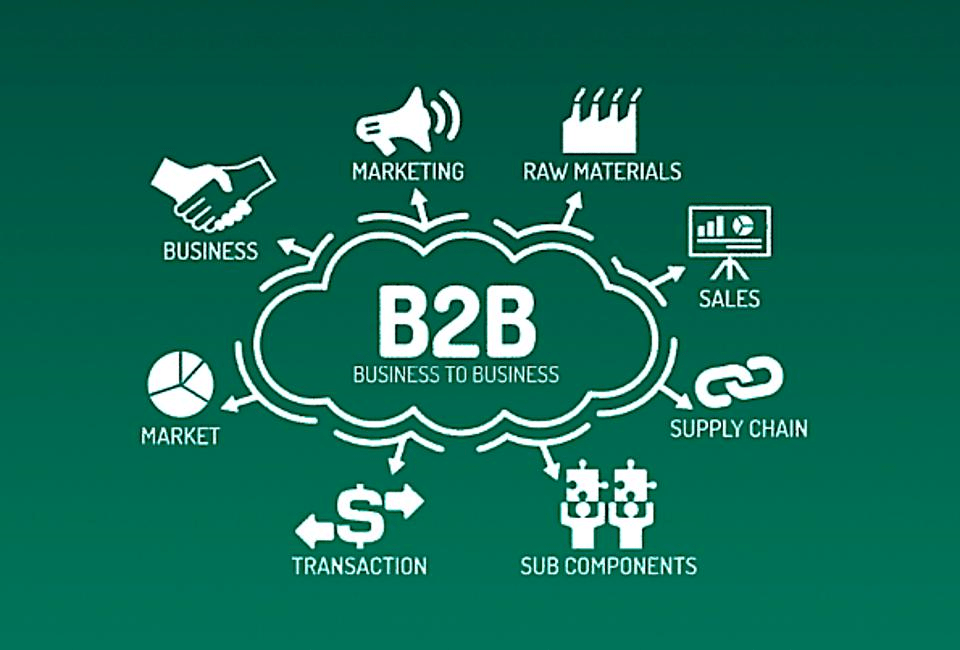
What Defines a B2B Ecommerce Platform?
A b2b ecommerce platform is a digital marketplace or software solution that enables businesses to sell products or services to other businesses online. These platforms support features like custom pricing, purchase order integration, account hierarchies, and approval workflows—elements rarely needed in B2C environments.
- Supports bulk ordering and tiered pricing
- Integrates with ERP and CRM systems
- Offers role-based access control for teams
“B2B buyers now expect the same seamless experience they get on Amazon, but with enterprise-level functionality.” — Gartner Research, 2023
Key Differences Between B2B and B2C Ecommerce
While both models involve online transactions, the operational dynamics differ significantly. B2B ecommerce platforms must accommodate longer sales cycles, negotiated contracts, and complex logistics.
- Customer Relationships: B2B relies on long-term contracts; B2C focuses on one-time purchases.
- Pricing Models: B2B uses dynamic, customer-specific pricing; B2C uses fixed pricing.
- Order Volume: B2B orders are typically larger and recurring; B2C are smaller and sporadic.
Market Growth and Trends Shaping B2B Ecommerce
According to Forrester Research, US B2B ecommerce sales are projected to reach $2.1 trillion by 2027, accounting for nearly 25% of all B2B transactions. This growth is fueled by digital transformation, remote work adoption, and rising customer expectations.
- Mobile ordering is increasing among procurement teams
- AI-driven personalization is becoming standard
- Headless commerce architectures are gaining traction
2. Top 7 B2B Ecommerce Platforms Dominating 2024
Choosing the right b2b ecommerce platform can make or break your digital strategy. Below is a curated list of the seven most powerful platforms leading the market in 2024, based on scalability, integration capabilities, and user experience.
1. Shopify Plus (Best for Scalable Growth)
Shopify Plus has evolved from a B2C favorite into a formidable b2b ecommerce platform. With its B2B Sales Channel, companies can manage wholesale accounts, set custom pricing, and automate workflows—all within a familiar interface.
- Seamless integration with existing Shopify stores
- Advanced API access for custom development
- Global scalability with multi-currency support
Learn more at Shopify Plus Official Site.
2. Magento (Adobe Commerce) (Best for Enterprise-Level Customization)
Now part of Adobe Commerce, Magento offers unparalleled flexibility for large enterprises. It’s a top-tier b2b ecommerce platform for businesses needing deep customization and omnichannel capabilities.
- Robust API-first architecture
- Advanced catalog management for complex SKUs
- Integrated PIM (Product Information Management)
Explore Adobe Commerce at Adobe’s Magento Page.
3. BigCommerce (Best for Built-In B2B Features)
BigCommerce stands out with native B2B functionalities like quote management, account-based pricing, and multi-storefront support. It’s one of the few platforms where B2B features don’t require third-party plugins.
- No transaction fees, even for high-volume sales
- Integrated ERP and accounting software connectors
- Headless and composable commerce ready
Visit BigCommerce B2B Solutions for details.
4. Salesforce Commerce Cloud (Best for CRM Integration)
If your business runs on Salesforce CRM, this b2b ecommerce platform is a natural fit. It offers end-to-end visibility across sales, service, and commerce, enabling hyper-personalized customer experiences.
- Unified customer profiles across touchpoints
- AI-powered product recommendations
- Strong support for global brands
Discover more at Salesforce Commerce Cloud.
5. OroCommerce (Best Open-Source Option)
OroCommerce is a dedicated open-source b2b ecommerce platform built specifically for B2B needs. It offers advanced features like complex pricing rules, B2B marketing tools, and full source code access.
- Highly customizable without vendor lock-in
- Supports B2B, B2C, and hybrid models
- Strong community and enterprise support
Check it out at OroCommerce Official Site.
6. SAP Commerce Cloud (Best for Global Enterprises)
SAP Commerce Cloud (formerly Hybris) is ideal for multinational corporations with complex supply chains and regulatory requirements. It integrates tightly with SAP ERP systems, making it a powerhouse for large-scale operations.
- Real-time inventory and order synchronization
- Compliance with global tax and logistics standards
- AI-driven demand forecasting
Learn more at SAP Commerce Cloud.
7. WooCommerce (Best for WordPress Users)
While traditionally seen as a B2C tool, WooCommerce has grown into a viable b2b ecommerce platform through plugins like Wholesale Suite and B2B Marketplace. It’s perfect for small to mid-sized businesses already using WordPress.
- Low entry cost and easy setup
- Huge ecosystem of plugins and themes
- Full control over hosting and data
Explore WooCommerce at WooCommerce Official Site.
3. Core Features Every B2B Ecommerce Platform Should Have
Not all platforms are created equal. To ensure your b2b ecommerce platform delivers real value, it must include certain foundational features that address the unique demands of business-to-business transactions.
Custom Pricing and Tiered Discounts
One-size-fits-all pricing doesn’t work in B2B. Buyers expect personalized quotes based on volume, contract terms, or customer status. A strong b2b ecommerce platform allows admins to set up dynamic pricing rules.
- Volume-based discounts (e.g., 10% off 100+ units)
- Contract-specific pricing for key clients
- Automatic price updates based on inventory or season
Account Management and User Roles
B2B customers often have multiple users within a single organization—buyers, approvers, managers. The platform must support role-based access and approval workflows.
- Create hierarchies (e.g., regional offices under HQ)
- Assign permissions (view-only, place orders, approve purchases)
- Track user activity and order history
Integration with ERP, CRM, and PIM Systems
A standalone storefront is useless if it doesn’t sync with your backend systems. The best b2b ecommerce platform solutions offer seamless integration with tools like NetSuite, SAP, Salesforce, and Microsoft Dynamics.
- Automated order processing from cart to fulfillment
- Real-time inventory updates across channels
- Customer data synchronization for better targeting
4. How to Choose the Right B2B Ecommerce Platform for Your Business
Selecting a b2b ecommerce platform isn’t about picking the most popular option—it’s about finding the one that aligns with your business model, technical capacity, and growth goals.
Assess Your Business Needs and Scale
Start by evaluating your current operations. Are you a small distributor with 50 SKUs, or a global manufacturer with thousands of products? Your scale determines whether you need a lightweight solution like WooCommerce or an enterprise system like SAP.
- Map out your typical order size and frequency
- Identify pain points in your current ordering process
- Determine if you serve multiple regions or currencies
Evaluate Technical Requirements and IT Resources
Some platforms require dedicated developers (e.g., Magento), while others offer drag-and-drop simplicity (e.g., Shopify Plus). Consider your internal tech team’s bandwidth before committing.
- Can your team handle API integrations?
- Do you prefer cloud-hosted or on-premise deployment?
- Is headless commerce a future requirement?
Calculate Total Cost of Ownership (TCO)
Beyond monthly fees, consider hidden costs: customization, maintenance, training, and third-party apps. A cheap platform can become expensive if it requires constant fixes.
- Licensing fees (monthly or annual)
- Implementation and onboarding costs
- Ongoing support and upgrade expenses
5. Implementing Your B2B Ecommerce Platform: A Step-by-Step Guide
Launching a b2b ecommerce platform is a strategic project that requires planning, testing, and stakeholder alignment. Follow this proven roadmap to ensure a smooth rollout.
Phase 1: Planning and Strategy
Define your goals: Is the platform meant to reduce order errors? Improve customer retention? Expand into new markets? Align stakeholders from sales, IT, and finance early.
- Set measurable KPIs (e.g., 30% increase in online orders)
- Identify key customer segments to target
- Create a project timeline with milestones
Phase 2: Data Migration and System Integration
Moving customer data, product catalogs, and pricing rules to a new platform is critical. Use automated tools or professional services to avoid errors.
- Clean and standardize data before migration
- Test API connections with ERP and CRM systems
- Validate product hierarchies and categories
Phase 3: User Training and Go-Live
Even the best b2b ecommerce platform fails if users don’t adopt it. Provide comprehensive training for both internal teams and customers.
- Host live webinars and create video tutorials
- Offer a sandbox environment for practice
- Launch in phases (e.g., start with one region)
6. Optimizing Your B2B Ecommerce Platform for Maximum ROI
Going live is just the beginning. To maximize returns, continuously optimize your b2b ecommerce platform based on user behavior, performance metrics, and market changes.
Leverage Data Analytics and Customer Insights
Use built-in analytics to track conversion rates, cart abandonment, and popular products. Identify trends and adjust your strategy accordingly.
- Monitor average order value (AOV) by customer segment
- Analyze search behavior to improve product discoverability
- Use heatmaps to optimize page layouts
Implement SEO and Content Marketing Strategies
Unlike B2C, B2B buyers often research extensively before purchasing. Optimize your platform for search engines to attract qualified leads.
- Create detailed product pages with technical specs
- Develop buyer’s guides and comparison charts
- Optimize for long-tail keywords (e.g., “industrial-grade valves for oil rigs”)
Adopt AI and Automation for Personalization
Leading b2b ecommerce platform providers now offer AI tools that recommend products, predict demand, and automate customer service.
- Use chatbots for instant quote requests
- Deliver personalized dashboards based on past orders
- Automate reordering for consumable supplies
7. Future Trends Reshaping the B2B Ecommerce Platform Industry
The future of B2B ecommerce is digital, intelligent, and hyper-connected. Staying ahead means anticipating trends before they become mainstream.
Rise of Composable and Headless Commerce
Modern b2b ecommerce platform architectures are shifting toward modular, API-driven systems. Composable commerce lets businesses pick best-of-breed components (e.g., a standalone PIM or payment gateway) and assemble them as needed.
- Greater flexibility and faster innovation
- Improved performance and scalability
- Easier integration with emerging technologies
Expansion of AI-Powered Procurement Assistants
Imagine a virtual procurement officer that learns your buying patterns, negotiates prices, and places orders automatically. AI assistants are becoming a reality on advanced platforms.
- Reduces manual workload for procurement teams
- Improves compliance with purchasing policies
- Enhances decision-making with real-time data
Increased Focus on Sustainability and Ethical Sourcing
B2B buyers are increasingly prioritizing sustainability. Platforms will soon include features to track carbon footprints, verify supplier ethics, and highlight eco-friendly products.
- Display environmental impact metrics on product pages
- Integrate with ESG (Environmental, Social, Governance) reporting tools
- Enable green logistics options at checkout
What is a B2B ecommerce platform?
A B2B ecommerce platform is a software solution that enables businesses to sell products or services to other businesses online. It supports features like custom pricing, purchase orders, account hierarchies, and ERP integration, catering to the complex needs of business transactions.
How does a B2B ecommerce platform differ from B2C?
B2B platforms handle bulk orders, negotiated pricing, multi-user accounts, and approval workflows, while B2C platforms focus on individual consumers with fixed pricing and simpler checkout processes.
Which B2B ecommerce platform is best for small businesses?
For small businesses, BigCommerce and Shopify Plus offer the best balance of affordability, ease of use, and built-in B2B features. WooCommerce is also a strong contender if you’re already using WordPress.
Can I integrate my ERP system with a B2B ecommerce platform?
Yes, most modern B2B ecommerce platforms offer native or third-party integrations with ERP systems like SAP, Oracle, NetSuite, and Microsoft Dynamics, ensuring seamless data flow between sales, inventory, and finance.
Is mobile optimization important for B2B ecommerce?
Absolutely. Over 40% of B2B buyers use mobile devices to research and place orders. A responsive, mobile-friendly b2b ecommerce platform is essential for capturing this growing segment.
Choosing the right b2b ecommerce platform is a strategic decision that impacts every aspect of your business—from customer satisfaction to operational efficiency. Whether you’re a startup or a multinational corporation, the platforms and strategies outlined in this guide provide a solid foundation for success in 2024 and beyond. The key is to align technology with business goals, prioritize user experience, and stay agile in the face of change. The future of B2B commerce is digital, and the time to act is now.
Further Reading:
