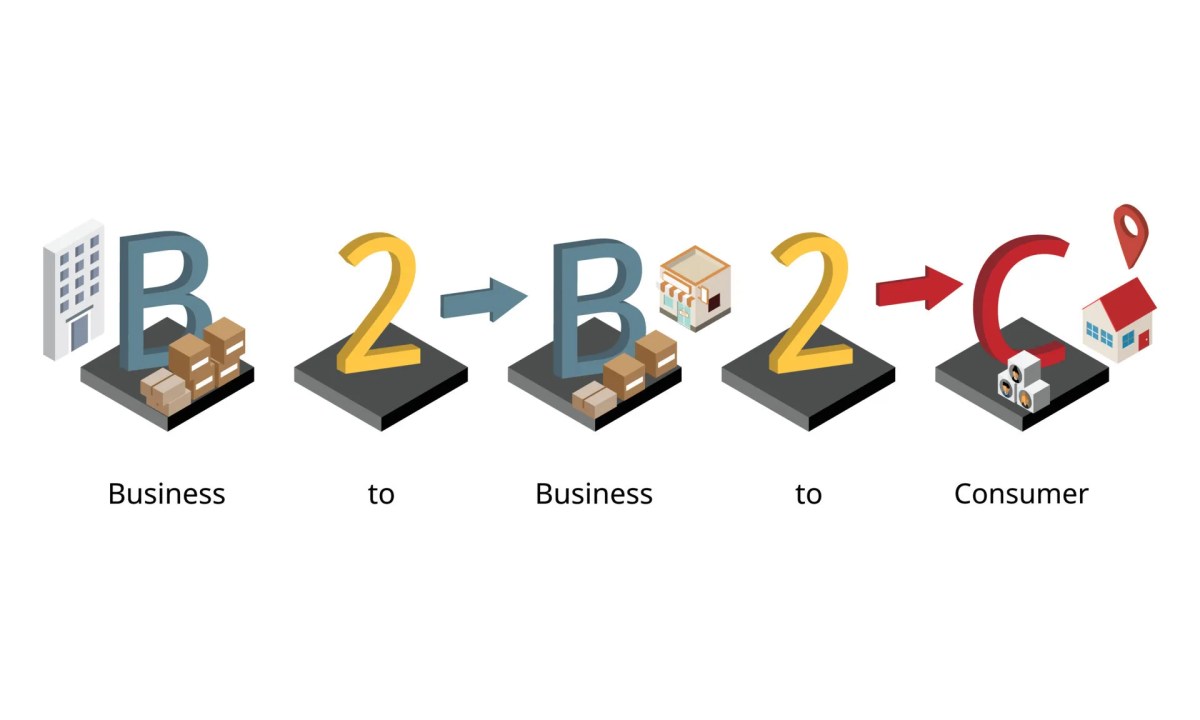
In today’s hyper-connected business world, mastering b2b digital marketing isn’t just an option—it’s a necessity. Companies that leverage smart, data-driven strategies are outperforming competitors, building stronger relationships, and scaling faster than ever before.
Understanding the Core of B2B Digital Marketing

B2B digital marketing refers to the strategies and tactics businesses use to promote their products or services to other businesses through online channels. Unlike B2C marketing, which often focuses on emotions and instant gratification, b2b digital marketing is rooted in logic, long-term value, and relationship-building.
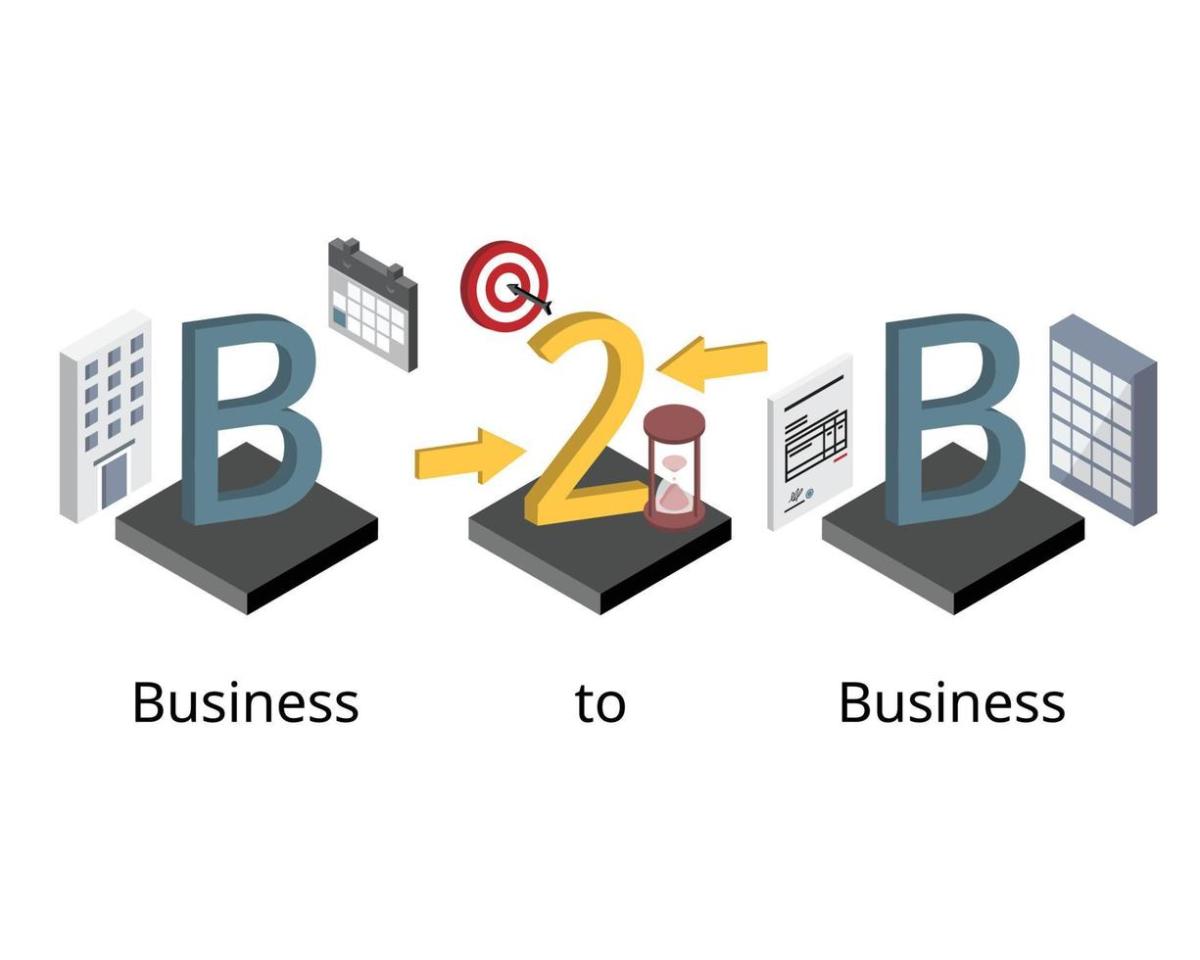

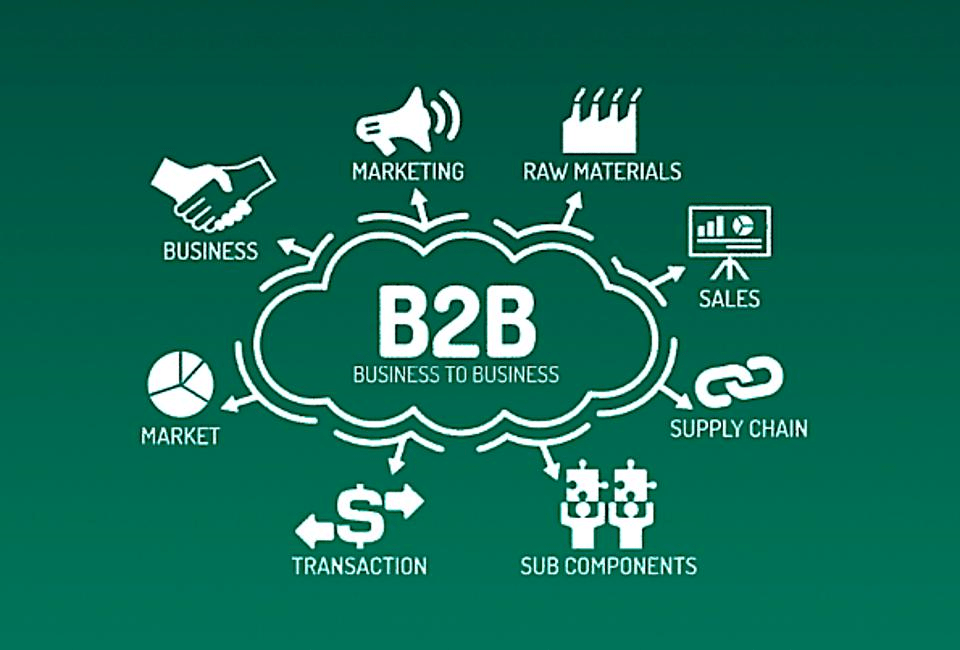
Defining B2B vs. B2C Marketing
The fundamental difference lies in the audience and decision-making process. In B2B, purchases are typically made by committees or stakeholders after thorough research and evaluation. This means marketing must be educational, trust-building, and highly targeted.
- B2B decisions are rational, data-backed, and often involve multiple stakeholders.
- B2C decisions are more emotional and impulsive, driven by personal needs or desires.
- B2B sales cycles are longer, requiring consistent nurturing and follow-up.
“B2B marketing is not about selling a product; it’s about solving a business problem.” — Neil Patel, Digital Marketing Expert
The Evolution of B2B Digital Marketing
Gone are the days of cold calling and print catalogs. The digital revolution has transformed how businesses connect. According to McKinsey & Company, over 70% of B2B buyers now prefer digital self-service channels for research and purchasing.
- The rise of AI and automation has enabled hyper-personalization at scale.
- Content marketing has become the cornerstone of lead generation.
- Social platforms like LinkedIn are now critical for B2B outreach.
7 Key Strategies in B2B Digital Marketing
To thrive in the competitive B2B landscape, companies must adopt a multi-channel, integrated approach. The following seven strategies form the backbone of a successful b2b digital marketing campaign.
1. Content Marketing: The Foundation of Trust
Content is king in b2b digital marketing. High-quality, informative content positions your brand as a thought leader and helps guide prospects through the buyer’s journey.
- Create in-depth whitepapers, case studies, and eBooks that address industry pain points.
- Use blog posts to answer common questions and improve SEO rankings.
- Develop video content such as webinars and product demos to engage visual learners.
For example, HubSpot’s entire growth strategy revolves around content. Their blog generates millions of visits monthly by offering actionable marketing advice, all while subtly promoting their CRM platform. You can explore their content strategy at HubSpot Blog.
2. Search Engine Optimization (SEO) for B2B
SEO is not just for e-commerce sites. In b2b digital marketing, optimizing for search engines ensures your content reaches decision-makers actively looking for solutions.
- Focus on long-tail keywords like “best CRM for small manufacturing firms” to capture high-intent traffic.
- Optimize on-page elements: meta descriptions, headers, and internal linking.
- Build authoritative backlinks through guest posting and industry partnerships.
According to Backlinko, websites ranking on the first page of Google receive over 90% of organic clicks. This makes SEO a non-negotiable component of any b2b digital marketing plan.
3. Account-Based Marketing (ABM)
ABM flips traditional marketing on its head by targeting specific high-value accounts with personalized campaigns. It’s one of the most effective b2b digital marketing strategies for enterprise-level sales.
- Identify key accounts based on firmographics and buying behavior.
- Create tailored content and ads for each account.
- Align sales and marketing teams to deliver a unified message.
Companies like Salesforce and Adobe have reported up to 300% higher ROI from ABM campaigns compared to broad-based approaches. Learn more about ABM best practices at ABM Institute.
Leveraging Data and Analytics in B2B Digital Marketing
Data is the fuel that powers modern b2b digital marketing. Without accurate insights, even the best campaigns can fall flat.
Tracking Key Performance Indicators (KPIs)
To measure success, marketers must track KPIs that align with business goals. These include:
- Customer Acquisition Cost (CAC)
- Return on Ad Spend (ROAS)
- Lead Conversion Rate
- Website Traffic and Engagement Metrics
Google Analytics 4 (GA4) and HubSpot are powerful tools that allow marketers to monitor these metrics in real time. Setting up conversion tracking ensures you know exactly which channels are driving results.
Using Marketing Automation Tools
Automation streamlines repetitive tasks, improves personalization, and nurtures leads efficiently. Platforms like Marketo, Pardot, and ActiveCampaign are widely used in b2b digital marketing.
- Automate email sequences based on user behavior.
- Trigger personalized messages when a lead downloads a whitepaper.
- Score leads based on engagement to prioritize sales outreach.
For instance, a well-segmented drip campaign can increase lead-to-customer conversion by up to 50%, according to Marketo.
The Role of Social Media in B2B Digital Marketing
While social media is often associated with B2C, it plays a crucial role in b2b digital marketing—especially on professional networks.
LinkedIn: The B2B Powerhouse
LinkedIn is the go-to platform for B2B marketers. With over 900 million users, it offers unparalleled access to decision-makers.
- Use LinkedIn Ads to target by job title, industry, and company size.
- Engage in industry groups and contribute valuable insights.
- Publish long-form articles to showcase expertise.
Companies like IBM and Cisco use LinkedIn to share thought leadership content, host live events, and generate high-quality leads. You can explore LinkedIn’s marketing solutions at LinkedIn for Business.
Twitter and YouTube for B2B Engagement
While less dominant than LinkedIn, Twitter and YouTube still offer value in a comprehensive b2b digital marketing strategy.
- Twitter is ideal for real-time engagement, customer support, and industry news sharing.
- YouTube hosts product demos, customer testimonials, and educational series that build credibility.
- Short-form video content on platforms like LinkedIn Video or YouTube Shorts is gaining traction.
For example, SAP uses YouTube to publish detailed tutorials on their enterprise software, helping prospects understand complex features before purchasing.
Email Marketing: Still a B2B Game-Changer
Email remains one of the highest ROI channels in b2b digital marketing. When done right, it nurtures leads, drives conversions, and strengthens client relationships.
Building a High-Quality Email List
The foundation of successful email marketing is a clean, permission-based list.
- Use lead magnets like free templates, checklists, or industry reports to capture emails.
- Implement double opt-in to ensure list quality.
- Segment your list by industry, role, or stage in the buyer’s journey.
A study by the Data & Marketing Association (DMA) found that segmented email campaigns generate 760% more revenue than non-segmented ones.
Crafting High-Converting Email Campaigns
Effective emails are concise, relevant, and action-oriented.
- Use compelling subject lines that spark curiosity or urgency.
- Personalize content with the recipient’s name, company, or recent activity.
- Include clear CTAs like “Schedule a Demo” or “Download the Guide”.
Tools like Mailchimp and Constant Contact offer templates and analytics to optimize performance. For advanced automation, consider integrating with CRM systems like Salesforce.
Video Marketing in B2B Digital Marketing
Video is no longer optional—it’s essential. In b2b digital marketing, video builds trust, explains complex solutions, and increases engagement.
Types of B2B Video Content
Different videos serve different purposes in the buyer’s journey.
- Explainer videos simplify technical products for new prospects.
- Customer testimonials build social proof and credibility.
- Webinars provide deep dives into industry topics and generate qualified leads.
According to Wyzowl, 96% of businesses say video helps users understand products or services better.
Optimizing Video for SEO and Engagement
To maximize reach, videos must be optimized for search and user experience.
- Host videos on YouTube with keyword-rich titles and descriptions.
- Add captions for accessibility and SEO indexing.
- Embed videos in blog posts and landing pages to increase dwell time.
For example, Zoom’s YouTube channel features tutorials, customer stories, and event highlights, reinforcing their brand as a reliable communication tool.
Measuring Success: ROI and Attribution in B2B Digital Marketing
Ultimately, every b2b digital marketing effort must be tied to measurable business outcomes. Understanding ROI and attribution models is critical for long-term success.
Calculating Return on Investment (ROI)
ROI measures the profitability of your marketing campaigns.
- Formula: (Revenue from Marketing – Cost of Marketing) / Cost of Marketing
- Track revenue generated from specific campaigns using UTM parameters.
- Compare ROI across channels to allocate budget effectively.
A positive ROI indicates your b2b digital marketing is working; a negative one signals the need for optimization.
Multi-Touch Attribution Models
B2B buyers interact with multiple touchpoints before converting. Attribution models help determine which channels deserve credit.
- First-Touch: Credits the first interaction (e.g., a Google search).
- Last-Touch: Credits the final action (e.g., clicking a paid ad).
- Linear: Distributes credit equally across all touchpoints.
- Time-Decay: Gives more weight to interactions closer to conversion.
Google Analytics and Adobe Analytics offer robust attribution tools to help marketers make data-driven decisions.
Future Trends Shaping B2B Digital Marketing
The landscape of b2b digital marketing is constantly evolving. Staying ahead requires awareness of emerging trends and technologies.
Artificial Intelligence and Machine Learning
AI is transforming how marketers personalize content, predict behavior, and automate workflows.
- Chatbots provide 24/7 support and qualify leads on websites.
- Predictive analytics identify high-intent prospects based on browsing behavior.
- AI-powered tools like Jasper and Copy.ai assist in content creation.
According to Gartner, by 2025, 80% of B2B marketing interactions will be managed by AI.
Interactive Content and Personalization
Static content is losing ground to interactive experiences that engage users.
- Quizzes, calculators, and configurators increase time on site and capture lead data.
- Dynamic content changes based on user profile or behavior.
- Personalized landing pages improve conversion rates by up to 42%, per HubSpot.
For example, a SaaS company might offer an ROI calculator that shows potential savings based on a prospect’s inputs—turning passive readers into active leads.
What is b2b digital marketing?
B2B digital marketing refers to the use of online channels—such as websites, search engines, social media, email, and content platforms—to promote products or services from one business to another. It focuses on building relationships, demonstrating value, and guiding complex sales cycles.
How is B2B digital marketing different from B2C?
B2B digital marketing involves longer sales cycles, multiple decision-makers, and a focus on logic and ROI. B2C is more emotional, impulsive, and transactional. B2B content is typically more detailed and educational.
What are the most effective B2B digital marketing channels?
The most effective channels include LinkedIn, SEO-optimized content, email marketing, webinars, and account-based marketing. The best strategy combines multiple channels for maximum impact.
How do you measure the success of a B2B digital marketing campaign?
Success is measured using KPIs like lead conversion rate, customer acquisition cost (CAC), return on ad spend (ROAS), and marketing qualified leads (MQLs). Tools like Google Analytics and CRM systems help track these metrics.
What role does content play in B2B digital marketing?
Content is the cornerstone of B2B digital marketing. It educates prospects, builds trust, and supports every stage of the buyer’s journey—from awareness to decision. High-quality content establishes thought leadership and drives organic traffic.
Mastering b2b digital marketing requires a strategic blend of content, data, technology, and human insight. By focusing on value-driven strategies like SEO, ABM, and personalized content, businesses can build lasting relationships and drive sustainable growth. The future belongs to those who embrace innovation, leverage data, and put the customer at the center of every campaign.
Further Reading: