In today’s fast-paced digital landscape, B2B content automation is no longer a luxury—it’s a necessity. Companies leveraging automated content systems are scaling faster, engaging smarter, and converting leads more efficiently than ever before.
What Is B2B Content Automation and Why It Matters

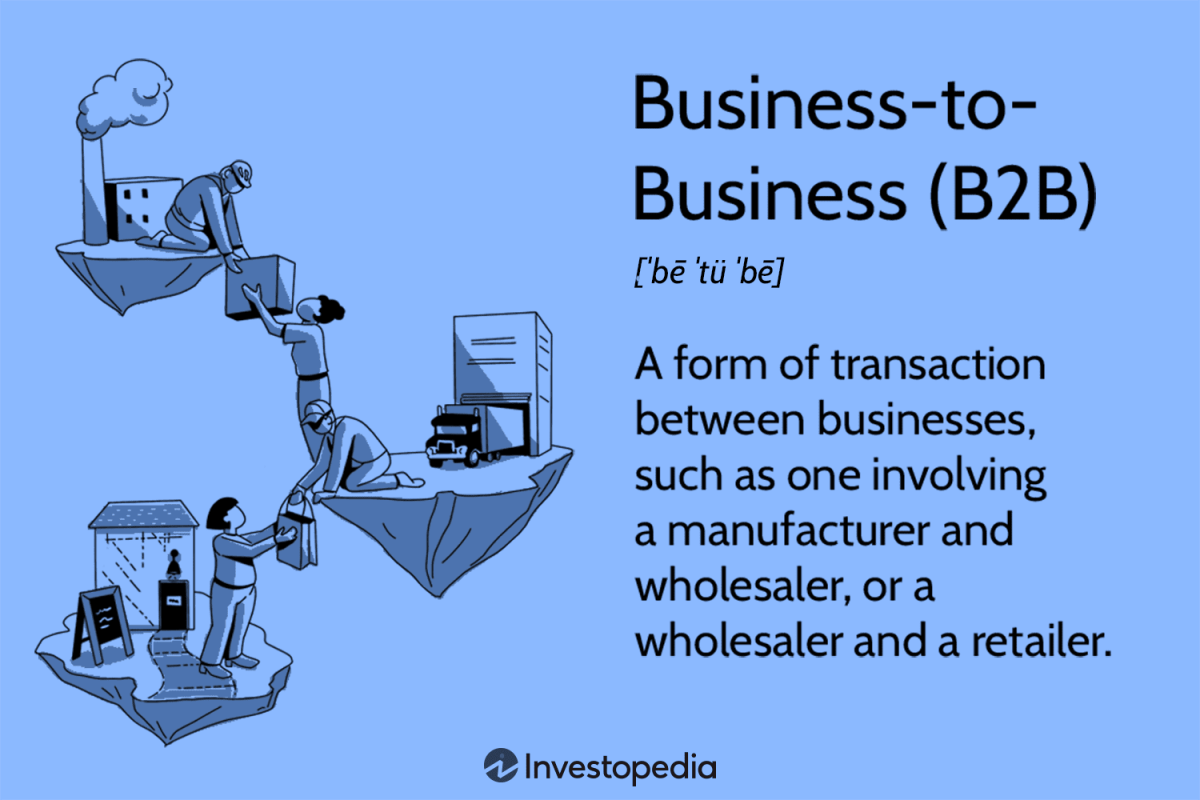
B2B content automation refers to the strategic use of technology and software to streamline the creation, distribution, and optimization of content for business-to-business marketing. Unlike traditional content workflows that rely heavily on manual input, automation introduces intelligent systems that reduce repetitive tasks, minimize human error, and accelerate time-to-market.


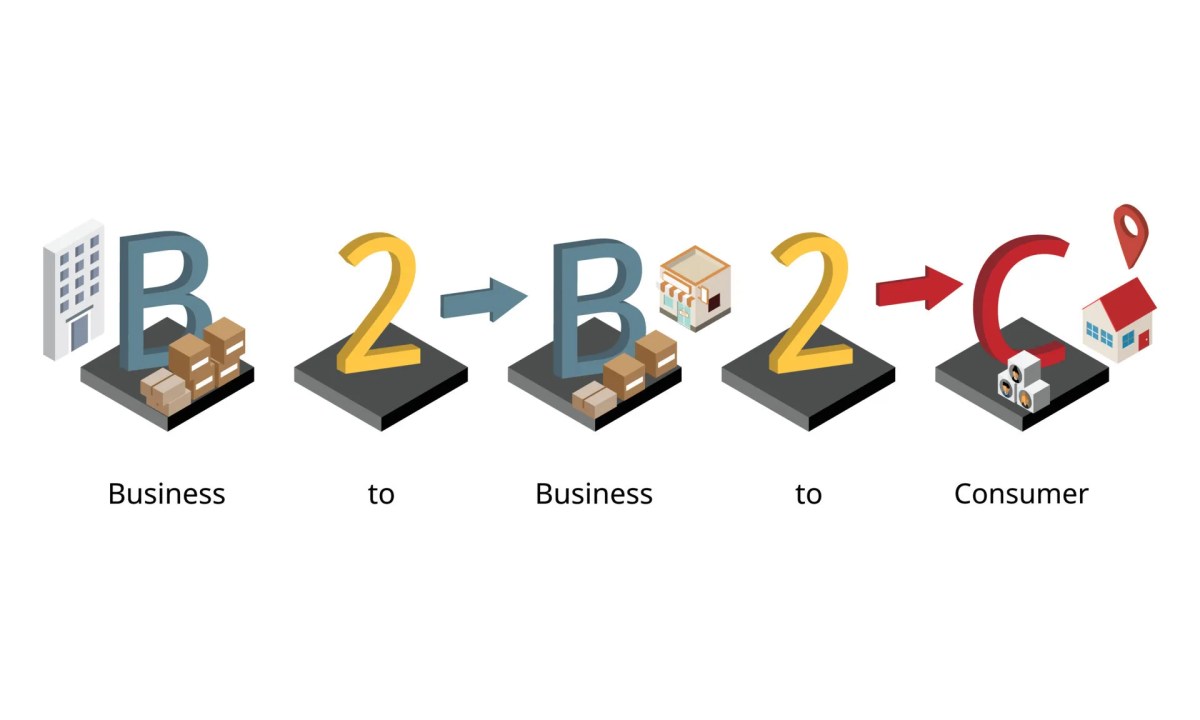
Defining the Core Concept
At its heart, b2b content automation integrates tools like AI-driven content generators, workflow management platforms, and CRM-linked distribution engines to deliver personalized, high-value content at scale. This isn’t about replacing human creativity—it’s about amplifying it. By automating routine processes such as content scheduling, lead nurturing emails, or social media posting, marketing teams can focus on strategy, storytelling, and audience engagement.
- Automated content generation using AI templates
- Dynamic content personalization based on user behavior
- Centralized content calendars with auto-publishing features
According to a Gartner report, over 60% of B2B marketers now use some form of content automation to improve campaign consistency and reduce operational bottlenecks.
The Evolution from Manual to Automated Workflows
Just a decade ago, B2B content creation was largely siloed and manual. Writers drafted blogs, designers created visuals, and marketers scheduled posts—all independently, often using disparate tools. This led to inefficiencies, version control issues, and inconsistent messaging.
Today, platforms like HubSpot and Marketo offer integrated ecosystems where content is created, approved, published, and analyzed in one seamless flow. This evolution has been fueled by advancements in artificial intelligence, cloud computing, and data analytics.
“Automation doesn’t make marketers obsolete—it makes them indispensable by freeing them from grunt work and empowering strategic thinking.” — Ann Handley, Chief Content Officer at MarketingProfs
The Key Benefits of B2B Content Automation
Implementing b2b content automation brings measurable advantages across marketing, sales, and customer experience teams. From improved efficiency to enhanced personalization, the benefits are both quantitative and qualitative.
Increased Operational Efficiency
One of the most immediate impacts of b2b content automation is the reduction in time spent on repetitive tasks. Automating content approvals, publishing schedules, and performance tracking allows teams to reallocate up to 30–40% of their weekly workload.
- Auto-scheduling blog posts across multiple channels
- Automated email drip campaigns triggered by user actions
- AI-powered grammar and SEO checks before publishing
A study by McKinsey found that companies using marketing automation tools report a 40% increase in team productivity.
Enhanced Content Consistency and Brand Voice
Consistency is critical in B2B marketing, where trust and credibility are built over time. Automation ensures that every piece of content—whether an email, whitepaper, or LinkedIn post—aligns with brand guidelines, tone of voice, and messaging frameworks.
Tools like Contentful and Bynder allow organizations to maintain centralized content repositories with approved templates, style guides, and asset libraries. This reduces off-brand content and ensures coherence across departments and geographies.
Improved Lead Nurturing and Conversion Rates
B2B sales cycles are long and complex. Automation enables marketers to deliver the right content to the right prospect at the right time. For example, when a lead downloads a case study, an automated workflow can trigger a follow-up email with a related product demo video and a calendar link for a sales consultation.
According to MarketingCharts, businesses using automated lead nurturing see a 50% increase in sales-ready leads and a 14.5% boost in conversion rates.
Core Components of a B2B Content Automation System
Effective b2b content automation isn’t a single tool—it’s an ecosystem of interconnected technologies working in harmony. Understanding each component helps organizations build a scalable and sustainable automation strategy.
Content Management Systems (CMS) with Automation Features
Modern CMS platforms go beyond basic publishing. They offer workflow automation, content versioning, SEO recommendations, and integration with CRM systems. Platforms like WordPress with WP Engine or enterprise solutions like Adobe Experience Manager enable teams to automate publishing pipelines and maintain content governance.
- Draft routing for editorial review
- Publishing rules based on audience segments
- Auto-tagging content for SEO and categorization
These systems ensure that content moves smoothly from ideation to publication without manual handoffs.
Marketing Automation Platforms
Tools like Marketo, HubSpot Marketing Hub, and Pardot are central to b2b content automation. They allow marketers to design multi-touch campaigns that deliver personalized content based on user behavior, job role, or stage in the buyer’s journey.
For instance, a visitor who reads three blog posts about cloud security might automatically be enrolled in a nurture track featuring a gated whitepaper, a webinar invite, and a case study—all without human intervention.
AI-Powered Content Creation Tools
Artificial intelligence is revolutionizing how B2B content is created. Tools like Jasper, Copy.ai, and Writer use natural language processing (NLP) to generate blog outlines, email copy, and even technical documentation in seconds.
While these tools don’t replace human writers, they significantly reduce ideation and drafting time. A survey by Content Marketing Institute found that 58% of B2B marketers now use AI tools for content ideation and drafting.
How B2B Content Automation Enhances Personalization at Scale
Personalization is no longer a nice-to-have in B2B marketing—it’s expected. Buyers want content that speaks directly to their pain points, industry, and role. b2b content automation makes this possible without requiring manual customization for every lead.
Dynamic Content Delivery Based on User Data
Automation platforms can pull data from CRMs, website analytics, and email engagement to serve personalized content in real time. For example, a manufacturing executive visiting a vendor’s website might see case studies from the automotive sector, while a healthcare IT manager sees compliance-focused content.
- Personalized landing pages based on referral source
- Dynamic email content blocks that change based on past behavior
- AI-driven product recommendations in nurture emails
This level of customization increases relevance, engagement, and trust—key drivers in long B2B sales cycles.
Segmentation and Behavioral Triggers
Effective automation relies on smart segmentation. Instead of treating all leads the same, systems can categorize users by firmographics (company size, industry), technographics (software used), or behavioral data (pages visited, content downloaded).
Once segmented, automated workflows trigger specific content sequences. For example, a lead who abandons a pricing page might receive an email with a comparison chart and a limited-time consultation offer—automatically.
“Personalization powered by automation isn’t just efficient—it’s empathetic. It shows you understand the buyer’s journey.” — Ardath Albee, B2B Marketing Strategist
Integrating B2B Content Automation with CRM and Sales Enablement
For b2b content automation to deliver maximum ROI, it must be tightly integrated with CRM and sales enablement platforms. This creates a closed-loop system where marketing efforts directly inform and support sales activities.
Synchronizing Content with CRM Data
When automation tools are connected to CRMs like Salesforce or Dynamics 365, every content interaction becomes a data point. Sales teams can see which prospects read a case study, watched a demo video, or attended a webinar—enabling more informed and timely outreach.
This integration also allows for lead scoring based on content engagement. A lead who downloads a pricing guide and visits the ROI calculator page might be flagged as sales-ready, triggering an alert to the sales team.
Empowering Sales with Automated Content Libraries
Sales enablement platforms like Showpad and Highspot use automation to deliver the right content to sales reps at the right moment. Instead of searching through folders, reps can access curated content packs based on the prospect’s industry, pain point, or stage in the funnel.
These systems also track content usage and effectiveness, feeding insights back into the marketing automation loop for continuous optimization.
Measuring the ROI of B2B Content Automation
Investing in b2b content automation requires justification. Fortunately, automation platforms provide rich analytics that make it easier than ever to measure performance and calculate return on investment.
Key Performance Indicators (KPIs) to Track
To evaluate the success of automation, marketers should monitor a mix of engagement, conversion, and efficiency metrics:
- Content engagement rate (time on page, scroll depth)
- Lead conversion rate from automated nurture campaigns
- Time saved per content piece produced
- Cost per lead reduction after automation implementation
- Sales cycle length before and after automation
Platforms like Google Analytics, HubSpot, and Tableau can visualize these KPIs in dashboards that provide real-time insights.
Calculating Cost Savings and Revenue Impact
ROI isn’t just about cost savings—it’s also about revenue growth. For example, if automation reduces content production time by 30%, that’s equivalent to gaining an extra team member’s output. If conversion rates increase by 15%, that translates directly into more closed deals.
A real-world example: A SaaS company implemented b2b content automation across its blog, email, and social channels. Within six months, they saw a 45% increase in qualified leads and reduced content production costs by 22%. The automation paid for itself in under five months.
Common Challenges and How to Overcome Them
While b2b content automation offers immense benefits, implementation isn’t without hurdles. Understanding these challenges upfront can prevent costly mistakes and ensure smoother adoption.
Data Silos and Integration Complexity
One of the biggest obstacles is fragmented data. Marketing, sales, and customer service teams often use different systems that don’t communicate. This makes it difficult to create a unified view of the customer for automation.
Solution: Invest in integration platforms like Zapier or MuleSoft that connect disparate tools. Start with critical integrations (e.g., CRM + marketing automation) and expand gradually.
Over-Automation and Loss of Human Touch
There’s a fine line between efficiency and impersonality. Over-automating can lead to generic, robotic messaging that fails to resonate with B2B buyers.
Solution: Use automation for scale, but retain human oversight for high-stakes communications. Implement approval workflows for sensitive content and use AI as a co-pilot, not a replacement.
“The best automation feels invisible. The content feels personal, timely, and human—even if it was triggered by an algorithm.” — Kristina Halvorson, CEO of Brain Traffic
Future Trends in B2B Content Automation
The landscape of b2b content automation is evolving rapidly. Emerging technologies and shifting buyer expectations are shaping the next generation of automated content strategies.
AI-Driven Predictive Content
Future automation systems won’t just react to user behavior—they’ll predict it. Using machine learning, platforms will anticipate what content a prospect needs next based on historical data, industry trends, and even macroeconomic signals.
For example, if a company in the logistics sector is expanding into Europe, the system might automatically suggest content on EU compliance regulations—even before the prospect searches for it.
Voice and Visual Search Optimization
As voice assistants and visual search gain traction, b2b content automation will need to adapt. Automated systems will generate content optimized for voice queries (e.g., “How does CRM integration improve sales efficiency?”) and image-based searches using AI-generated alt text and metadata.
Platforms like Google’s Visual Search are already influencing how content is structured and tagged.
Hyper-Personalization Through Generative AI
Generative AI is moving beyond templated content. Soon, systems will create fully customized reports, proposals, and presentations in real time, tailored to a specific company’s data and needs—all automated.
Imagine a prospect uploading their annual report, and an AI instantly generates a personalized solution brief showing how your product could improve their KPIs. This level of automation will redefine B2B marketing in the coming years.
What is b2b content automation?
B2B content automation is the use of software and AI-driven tools to streamline the creation, distribution, and optimization of content for business-to-business marketing. It reduces manual effort, increases consistency, and enables personalized communication at scale.
How does b2b content automation improve lead generation?
By delivering targeted content through automated nurture campaigns, segmentation, and behavioral triggers, b2b content automation engages prospects with relevant information at each stage of the buyer’s journey, increasing conversion rates and shortening sales cycles.
What tools are essential for b2b content automation?
Key tools include marketing automation platforms (e.g., HubSpot, Marketo), AI content generators (e.g., Jasper, Copy.ai), CRM systems (e.g., Salesforce), and sales enablement platforms (e.g., Highspot, Showpad). Integration between these tools is critical for success.
Is b2b content automation suitable for small businesses?
Yes. While enterprise companies were early adopters, scalable and affordable tools like Mailchimp, ConvertKit, and Canva now make b2b content automation accessible to small and mid-sized businesses looking to compete efficiently.
Can automation replace human content creators?
No. Automation enhances human creativity by handling repetitive tasks, but strategic thinking, brand voice, and emotional intelligence remain uniquely human. The future belongs to hybrid teams where humans and AI collaborate.
B2B content automation is transforming how companies engage with their audiences, drive conversions, and scale their marketing efforts. From streamlining workflows to enabling hyper-personalization, the benefits are clear and measurable. While challenges like integration complexity and over-automation exist, they can be overcome with strategic planning and the right tools. As AI and predictive technologies evolve, the future of b2b content automation promises even greater efficiency, intelligence, and impact. The key is to start small, integrate wisely, and always keep the human element at the core of your strategy.
Further Reading: