In today’s hyper-connected digital economy, the right b2b business software can be the ultimate game-changer. From automating workflows to boosting collaboration, these tools are redefining how companies operate, scale, and win in competitive markets.
1. Understanding b2b business software: Definition and Core Purpose

At its core, b2b business software refers to digital tools and platforms designed specifically for businesses to interact, transact, and collaborate with other businesses. Unlike consumer-focused (B2C) software, b2b business software prioritizes efficiency, integration, scalability, and data security.

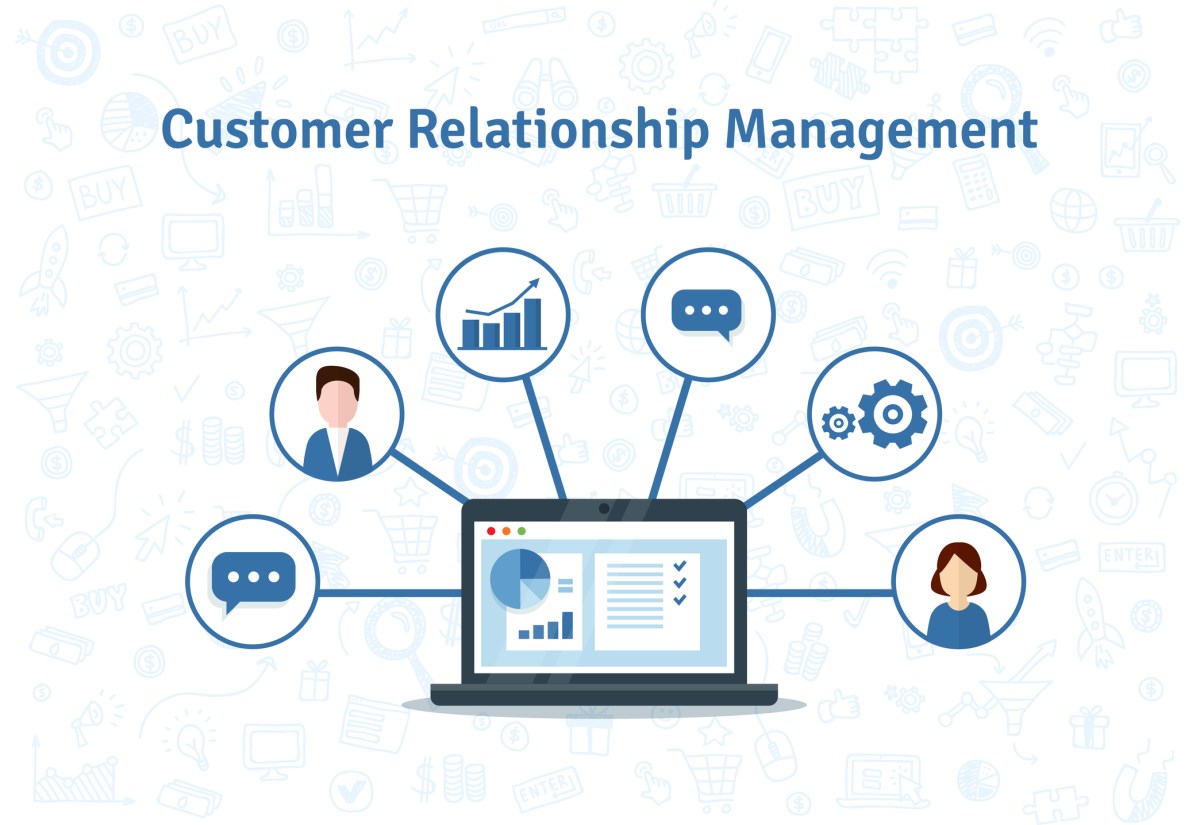
What Exactly Is b2b business software?
b2b business software encompasses a wide range of applications used by organizations to manage internal operations, streamline external partnerships, and optimize performance. These tools are not built for individual end-users but for entire departments or enterprises.
- Examples include ERP systems, CRM platforms, supply chain management tools, and collaboration suites.
- They often require multi-user licensing, role-based access, and integration with legacy systems.
- Deployment models vary—on-premise, cloud-based, or hybrid—depending on organizational needs.
“The shift from manual processes to intelligent b2b business software has reduced operational costs by up to 30% in mid-sized enterprises.” — Gartner, 2023
Key Differences Between B2B and B2C Software
While both serve critical roles, b2b business software differs significantly from B2C applications in design, functionality, and user experience.
- Decision-Making Process: B2B purchases involve multiple stakeholders, longer sales cycles, and ROI-driven evaluations. B2C decisions are often emotional and immediate.
- Customization: b2b business software typically offers deep customization to fit complex workflows. B2C software is standardized for mass appeal.
- Support & Training: B2B solutions come with dedicated onboarding, SLAs, and technical support. B2C relies on self-service models.
Understanding these distinctions is crucial when selecting the right tools for enterprise use.
2. The Evolution of b2b business software: From Legacy Systems to Cloud AI
The journey of b2b business software reflects broader technological shifts—from monolithic mainframes to agile, AI-powered cloud ecosystems. This evolution has transformed how businesses operate and compete globally.
From On-Premise to Cloud-Based Solutions
Historically, b2b business software was installed locally on company servers. These on-premise systems offered control but came with high maintenance costs and limited scalability.
- Companies like SAP and Oracle dominated with ERP and database solutions that required massive upfront investments.
- Maintenance, updates, and security were handled in-house, often requiring dedicated IT teams.
- The rise of cloud computing, led by providers like Amazon Web Services and Microsoft Azure, changed the game by offering scalable, pay-as-you-go models.
Today, over 80% of enterprises use some form of cloud-based b2b business software, according to Flexera’s 2023 Cloud Report.
The Rise of AI and Automation in b2b business software
Artificial Intelligence is no longer a futuristic concept—it’s embedded in modern b2b business software. From predictive analytics to intelligent workflow automation, AI enhances decision-making and reduces human error.
- CRM platforms like Salesforce Einstein use AI to forecast sales trends and recommend next-best actions.
- Procurement tools leverage machine learning to identify cost-saving opportunities across supply chains.
- Chatbots and virtual assistants handle routine customer service queries, freeing up human agents for complex tasks.
“AI-driven b2b business software is expected to generate $4.8 trillion in business value by 2025.” — IDC, 2023
3. Top 7 Categories of b2b business software in 2024
Not all b2b business software serves the same purpose. The market is segmented into specialized categories, each addressing specific operational needs. Understanding these categories helps organizations choose the right tools for their goals.
Enterprise Resource Planning (ERP) Systems
ERP software integrates core business functions—finance, HR, manufacturing, and supply chain—into a unified system. It provides real-time visibility across departments.
- Leading vendors: SAP S/4HANA, Oracle ERP Cloud, NetSuite.
- Benefits: Streamlined operations, improved data accuracy, better compliance.
- Use Case: A manufacturing firm uses ERP to synchronize inventory levels with production schedules and financial reporting.
According to a report by Grand View Research, the global ERP market is projected to reach $110 billion by 2030.
Customer Relationship Management (CRM)
CRM platforms are essential b2b business software for managing interactions with current and potential customers. They centralize contact data, track sales pipelines, and automate marketing campaigns.
- Top players: Salesforce, HubSpot, Microsoft Dynamics 365.
- Advanced features: Lead scoring, email tracking, AI-powered insights.
- Impact: Companies using CRM report up to 29% increase in sales performance (Nucleus Research).
Modern CRM systems are no longer just sales tools—they’re full-cycle customer engagement platforms.
Supply Chain and Procurement Software
This category of b2b business software optimizes the flow of goods, services, and information from suppliers to end customers.
- Tools like Coupa, Jaggaer, and Kinaxis help automate purchasing, manage vendor relationships, and monitor logistics.
- Real-time analytics enable proactive risk management in global supply chains.
- Integration with IoT devices allows for live tracking of shipments and inventory.
In an era of geopolitical disruptions and demand volatility, these tools are mission-critical.
4. Key Features to Look for in b2b business software
Selecting the right b2b business software isn’t just about brand names—it’s about functionality that aligns with your business objectives. Here are the most critical features to evaluate.
Scalability and Flexibility
Your business will grow, and your software should grow with it. Scalability ensures the platform can handle increased users, data volume, and transaction loads.
- Look for modular architectures that allow you to add features as needed.
- Cloud-native platforms often offer better scalability than legacy systems.
- Example: A startup using Zoho One can scale from 10 to 500 employees without switching platforms.
Integration Capabilities
No b2b business software operates in isolation. The ability to integrate with existing systems—like accounting software, email platforms, or HR tools—is non-negotiable.
- APIs (Application Programming Interfaces) are the backbone of integration.
- Platforms like Zapier and MuleSoft enable seamless data flow between disparate systems.
- Check for pre-built connectors with tools like QuickBooks, Slack, or Google Workspace.
“Companies that prioritize integration in their b2b business software see 3x faster digital transformation.” — McKinsey & Company
Data Security and Compliance
With rising cyber threats and strict regulations (GDPR, CCPA, HIPAA), security is a top concern in b2b business software.
- Ensure the vendor offers end-to-end encryption, multi-factor authentication, and regular security audits.
- Compliance certifications like SOC 2, ISO 27001, and FedRAMP are strong indicators of trustworthiness.
- Ask about data residency—where your data is stored and who controls access.
A single data breach can cost millions in fines and reputational damage.
5. How b2b business software Drives Digital Transformation
Digital transformation isn’t just about adopting new technology—it’s about reimagining business models, processes, and customer experiences. b2b business software is the engine behind this transformation.
Automating Repetitive Tasks
One of the most immediate benefits of b2b business software is automation. Routine tasks like invoice processing, employee onboarding, and report generation can be automated, saving time and reducing errors.
- Robotic Process Automation (RPA) tools like UiPath and Automation Anywhere integrate with b2b business software to handle rule-based workflows.
- Example: An accounts payable team automates invoice matching, cutting processing time from days to minutes.
- According to Deloitte, automation can reduce operational costs by 25–50%.
Enhancing Data-Driven Decision Making
Modern b2b business software collects vast amounts of data. When analyzed correctly, this data becomes a strategic asset.
- Business Intelligence (BI) tools like Tableau and Power BI connect to ERP and CRM systems to generate real-time dashboards.
- Executives can monitor KPIs, forecast trends, and identify bottlenecks instantly.
- AI-powered analytics go beyond reporting—they predict outcomes and recommend actions.
Organizations that leverage data effectively are 23 times more likely to acquire customers (McKinsey).
Improving Collaboration Across Teams
Remote work and global teams demand seamless collaboration. b2b business software like Microsoft Teams, Asana, and Monday.com break down silos between departments.
- Features like shared workspaces, task tracking, and file versioning keep teams aligned.
- Integration with email, calendars, and video conferencing enhances productivity.
- Real-time updates reduce miscommunication and project delays.
In a 2023 survey by Buffer, 98% of remote workers said collaboration tools improved their efficiency.
6. Challenges in Implementing b2b business software
Despite its benefits, deploying b2b business software is not without challenges. Organizations often face resistance, technical hurdles, and cost overruns during implementation.
User Adoption and Change Management
Even the most advanced b2b business software fails if employees don’t use it. Resistance to change is a common barrier.
- Employees may fear job displacement or find the new system difficult to learn.
- Effective change management includes training, clear communication, and leadership buy-in.
- Phased rollouts and pilot programs help ease the transition.
According to Prosci, projects with excellent change management are six times more likely to meet objectives.
Integration with Legacy Systems
Many companies still rely on outdated systems that don’t easily connect with modern b2b business software.
- Data silos and incompatible formats create integration headaches.
- Solutions include middleware platforms, custom API development, or gradual system migration.
- IT teams must assess technical debt before committing to new software.
A study by CIO.com found that 60% of digital transformation projects stall due to legacy system conflicts.
Cost and ROI Uncertainty
While cloud-based b2b business software reduces upfront costs, long-term expenses can add up—licensing, training, customization, and support.
- Hidden costs often emerge post-implementation.
- ROI may take months or years to materialize, especially for complex ERP or CRM systems.
- Best practice: Define clear KPIs before deployment to measure success.
A 2023 Gartner survey revealed that 42% of organizations underestimated total cost of ownership by over 30%.
7. Future Trends Shaping b2b business software
The landscape of b2b business software is evolving rapidly. Emerging technologies and shifting business models are setting the stage for the next generation of enterprise tools.
Hyperautomation and Intelligent Workflows
Hyperautomation combines AI, RPA, and process mining to automate entire business functions, not just tasks.
- Gartner predicts that by 2025, 70% of organizations will use hyperautomation technologies.
- Use cases: Automated contract management, AI-driven customer service, self-healing IT systems.
- Platforms like ServiceNow and Workato are leading this trend.
This shift will redefine job roles and require new skill sets in the workforce.
Low-Code and No-Code Platforms
These platforms empower non-technical users to build custom applications without writing code.
- Tools like OutSystems, Mendix, and Bubble are gaining traction in b2b business software ecosystems.
- Business analysts can create workflows, dashboards, and integrations independently.
- Reduces dependency on IT departments and accelerates innovation.
Forrester estimates that the low-code market will reach $48 billion by 2025.
Sustainability and ESG Integration
Environmental, Social, and Governance (ESG) metrics are becoming integral to business operations. b2b business software is adapting to support sustainability goals.
- New features track carbon emissions, energy usage, and supply chain ethics.
- SAP’s Sustainability Control Tower and Salesforce Net Zero Cloud help companies measure and reduce their environmental impact.
- Investors and regulators increasingly demand transparent ESG reporting.
By 2027, 85% of large enterprises will use b2b business software with embedded ESG analytics (IDC).
8. How to Choose the Right b2b business software for Your Company
Selecting the right b2b business software requires a strategic approach. It’s not just about features—it’s about alignment with business goals, culture, and long-term vision.
Assess Your Business Needs
Start by identifying pain points and objectives. Are you struggling with sales tracking? Inventory management? Employee collaboration?
- Conduct stakeholder interviews across departments.
- Map current workflows and identify inefficiencies.
- Prioritize must-have vs. nice-to-have features.
A clear needs assessment prevents overspending on unnecessary functionality.
Evaluate Vendor Reputation and Support
The vendor is as important as the software. Look beyond marketing claims to real-world performance.
- Check reviews on platforms like G2, Capterra, and TrustRadius.
- Ask for customer references and case studies.
- Assess support quality—response time, availability, training resources.
A vendor with 24/7 support and a strong partner network adds long-term value.
Conduct a Pilot Program
Before full rollout, test the software with a small team or department.
- Measure performance against KPIs: user adoption, time savings, error reduction.
- Gather feedback and identify training needs.
- Use insights to refine implementation strategy.
Pilot programs reduce risk and increase chances of successful adoption.
9. Real-World Success Stories: Companies Winning with b2b business software
Theoretical benefits are one thing—real-world results are another. Let’s look at how leading companies have leveraged b2b business software to achieve transformation.
Case Study: Siemens and SAP S/4HANA
Global engineering giant Siemens migrated to SAP S/4HANA to consolidate over 30 legacy ERP systems.
- Result: Unified global finance operations, real-time reporting, and $150M in annual savings.
- Challenge: Managing change across 300,000 employees in 190 countries.
- Solution: Phased rollout with extensive training and internal champions.
The project is considered one of the largest ERP transformations in history.
Case Study: ZoomInfo and Salesforce CRM
B2B data provider ZoomInfo uses Salesforce to manage its global sales force and customer lifecycle.
- Integrated marketing automation, lead scoring, and customer service modules.
- Result: 40% increase in sales productivity and 25% faster deal closure.
- Key factor: AI-driven insights helped prioritize high-value leads.
Their success highlights the power of a well-implemented CRM as core b2b business software.
Case Study: Unilever and Coupa Procurement Software
Consumer goods leader Unilever adopted Coupa to streamline its global procurement process.
- Automated 80% of purchase orders and invoice processing.
- Reduced maverick spending by 15% through policy enforcement.
- Improved supplier collaboration with a centralized portal.
The platform now manages over $50B in annual spend across 100+ countries.
What are the main types of b2b business software?
The main types include Enterprise Resource Planning (ERP), Customer Relationship Management (CRM), Supply Chain Management (SCM), Human Capital Management (HCM), and Collaboration Tools. Each serves distinct functions but often integrates with others to create a seamless digital ecosystem.
How does b2b business software improve efficiency?
It automates repetitive tasks, centralizes data, enhances cross-departmental collaboration, and provides real-time analytics. This reduces manual errors, speeds up processes, and enables faster, data-driven decisions.
Is cloud-based b2b business software secure?
Yes, reputable cloud providers invest heavily in security, offering encryption, compliance certifications, and continuous monitoring. In many cases, cloud solutions are more secure than on-premise systems due to dedicated security teams and automatic updates.
What should I consider when choosing b2b business software?
Key considerations include scalability, integration capabilities, user-friendliness, vendor support, security features, and total cost of ownership. Conducting a pilot program and gathering user feedback are also critical steps.
How is AI changing b2b business software?
AI is enabling predictive analytics, intelligent automation, and personalized customer experiences. It helps identify trends, optimize workflows, and reduce operational costs, making b2b business software more proactive than reactive.
Choosing the right b2b business software is no longer optional—it’s a strategic imperative. From streamlining operations to driving innovation, these tools empower organizations to compete in a fast-evolving digital landscape. As AI, automation, and sustainability become central to business strategy, the next generation of b2b business software will not just support companies—it will transform them. The key is to select solutions that align with your goals, involve stakeholders early, and embrace continuous improvement. The future of business is digital, and b2b business software is leading the charge.
Recommended for you 👇
Further Reading:
